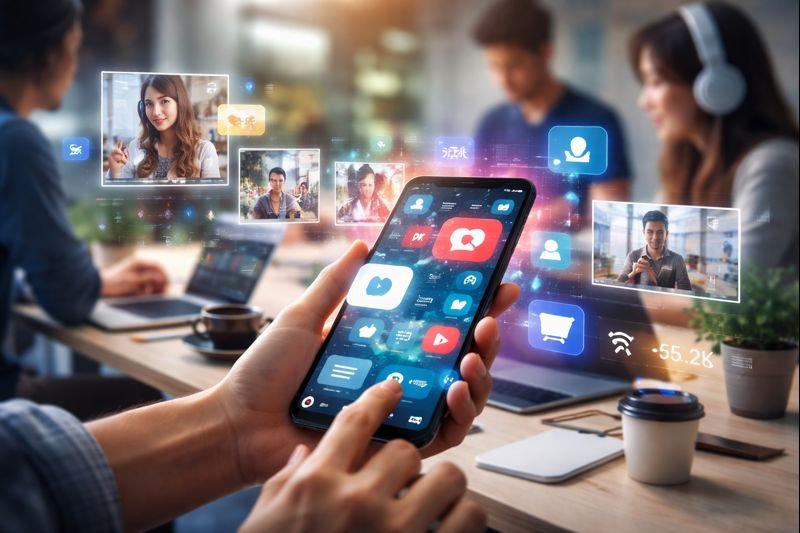
Social media in the United States has quietly crossed a line. What started as a place to post updates and chase reach has matured into something far more layered. By 2026, social platforms will no longer be just broadcasting tools. They have become ecosystems where discovery, trust, community, and commerce live side by side.
What feels different now is the shift in motivation. Instead of chasing virality for its own sake, people and businesses are building resonance. Brands want results, creators want authority, and users want meaning. That collective change is shaping what to expect from social media evolution in 2026 in ways that feel more human, more intentional, and far more strategic than previous years.
Social Media In 2026 Is Built Around Resonance, Not Reach
One of the biggest changes across US platforms is the decline of “viral-first” thinking. Algorithms still reward engagement, but engagement now looks deeper. Saves, replies, watch time, and repeat interactions matter more than raw impressions.
This shift aligns with how Americans are actually using social platforms. People are scrolling with purpose, searching for product recommendations, expert opinions, local services, and communities that reflect their values. Platforms are responding by prioritizing content that solves problems or builds connections rather than content that simply grabs attention.
What Brands Should Expect From Social Media Evolution In 2026
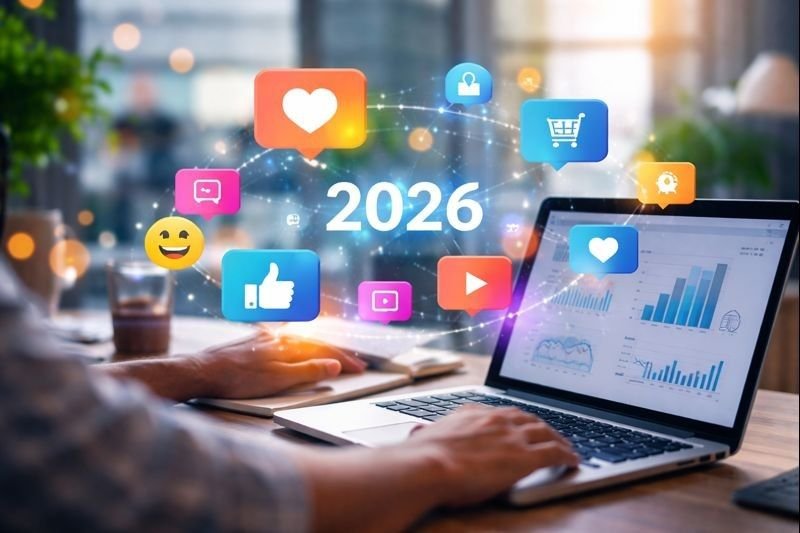
For US brands, social media is no longer a brand-awareness experiment. It is a performance channel tied directly to revenue, trust, and long-term loyalty.
ROI Matters More Than Vanity Metrics
Follower counts and likes still exist, but they no longer drive decision-making. Marketing teams are measuring success through conversions, assisted purchases, lead quality, and customer retention. This is especially true for small and mid-sized US businesses that rely on social platforms to compete with larger brands.
Social media trends 2026 show a clear move toward performance-driven social strategies where every post serves a measurable purpose.
Social Commerce Is Now Infrastructure
In-app shopping is no longer optional. Features like TikTok Shop and Instagram Checkout have become full sales channels, especially in the US, where consumers are comfortable buying directly from social feeds.
Brands that treat social commerce as a side feature are already falling behind. The winners are those integrating product education, creator partnerships, and checkout experiences into one seamless flow.
Humanizing The Brand Voice
Brands are increasingly adopting a creator mindset. Instead of polished brand ads, audiences respond better to employees, founders, and internal experts showing up on camera.
This “humanizing the logo” approach builds trust, particularly in industries like wellness, finance, technology, and education, where credibility matters.
Social Search And AEO Are Non-Negotiable
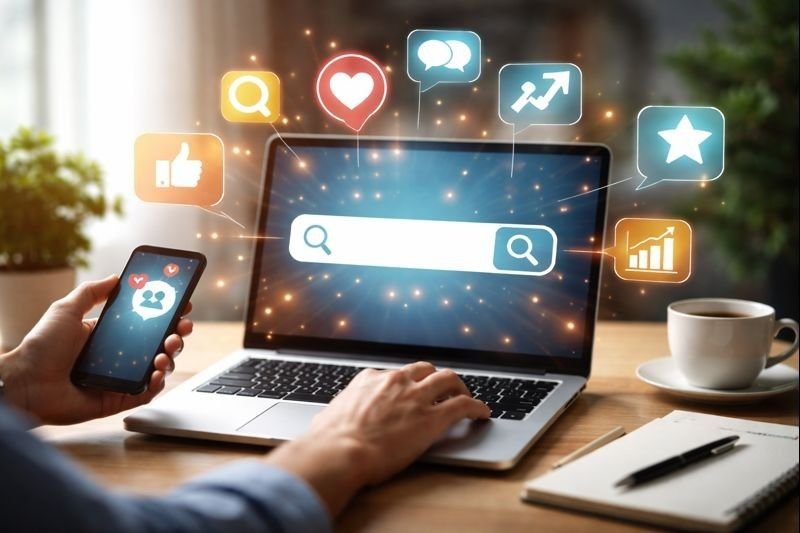
Social platforms now compete directly with search engines. Americans routinely search TikTok, Instagram, and YouTube before Google.
Brands must optimize content for Answer Engine Optimization, structuring posts to clearly answer questions, highlight expertise, and surface in platform search results. This is a critical part of what to expect from social media evolution in 2026.
How Creators Are Adapting In 2026
The creator economy in the US is maturing. Growth is no longer about being everywhere; it’s about being trusted somewhere.
Micro-Communities Are Winning
Creators with smaller, highly engaged audiences are outperforming mega-influencers. These micro-communities drive higher engagement, stronger trust, and better conversion rates for brand partnerships.
Niche authority now beats mass appeal, especially in categories like fitness, personal finance, mental health, and career education.
AI Supports The Work, Not The Voice
AI in social media 2026 is everywhere, but it works behind the scenes. Creators are using AI for script drafts, editing, captions, and scheduling, freeing time for strategy and storytelling.
What still matters is the human layer. Audiences can tell the difference between automated content and lived experience.
Serialized Content Builds Loyalty
One-off viral posts are being replaced by recurring formats. Weekly series, mini-documentaries, and educational episodes keep audiences coming back.
This approach favors platforms like YouTube and Instagram, where short-form videos lead viewers into deeper content.
Experts Are Becoming Creators
Doctors, lawyers, founders, and industry professionals are gaining traction as audiences seek reliable information over entertainment. Credibility has become a form of currency in the evolving creator landscape.
What Users Should Expect From Social Media In 2026
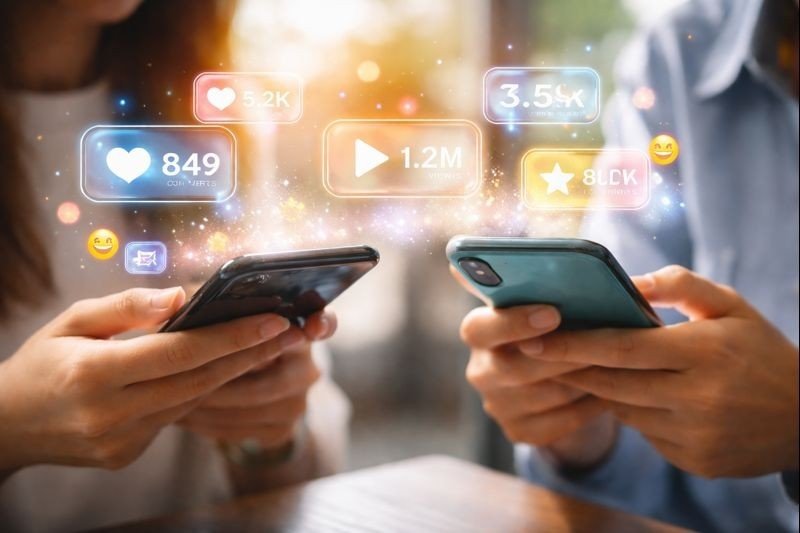
Users are no longer passive consumers. They are shaping the platforms they use.
More Control Over Feeds
US platforms are giving users tools to customize algorithms through favorites, interest filters, and follow categories. This creates highly personalized experiences that feel intentional rather than overwhelming.
The Move Toward Private Communities
Public comment sections are losing appeal. Users are moving into private spaces like Discord servers, WhatsApp groups, and paid Substack communities where conversations feel safer and more meaningful.
A Quality Reset Is Underway
As AI-generated content floods feeds, users are craving authenticity. Lo-fi videos, unfiltered opinions, and realistic storytelling outperform overly polished posts.
Ethical Expectations Are Rising
Transparency around AI usage, data privacy, and sponsored content matters more than ever. US users expect honesty, and platforms are responding with clearer disclosure tools.
Platform Snapshot: How Major Platforms Are Evolving In 2026
The roles of major platforms are becoming more defined:
- TikTok is leading social commerce and local search with fast, raw video content
- Instagram is strengthening lifestyle commerce and community features through Reels and broadcast channels
- YouTube continues to dominate trust-based learning through Shorts that lead into long-form content
- LinkedIn is evolving into a personal thought leadership platform for B2B audiences
- Substack is growing as a direct-to-community channel for intentional, ad-free engagement
Frequently Asked Questions (FAQs)
1. How Will Social Media Trends In 2026 Affect Small US Businesses?
Small businesses benefit from performance-focused algorithms, local discovery, and social commerce tools that level the playing field against larger brands.
2. Is AI Replacing Creators On Social Media?
No. AI supports creators operationally, but human storytelling, expertise, and authenticity remain the core drivers of engagement.
3. Which Platforms Matter Most In The US In 2026?
TikTok, Instagram, YouTube, LinkedIn, and Substack each play distinct roles depending on goals like commerce, education, or community building.
4. How Are Users Changing Their Social Media Behavior?
Users are prioritizing control, private communities, authentic content, and ethical transparency over endless public engagement.
Final Thoughts
What to expect from social media evolution in 2026 is not a single trend, but a collective reset. Platforms are aligning with how people actually behave, not how they used to behave. Brands are earning attention through trust and usefulness. Creators are building authority through depth and consistency. Users are reclaiming control over what they see and where they engage.
The common thread is resonance. The brands and voices that succeed are the ones that listen, adapt, and show up with intention rather than noise.
Social media in 2026 rewards those who understand people, not just platforms.