There was a time when I thought travel meant squeezing five cities into seven days. It looked productive on paper, but it never felt satisfying. I came back with photos, not memories. The shift happened when I stayed in one place longer than planned. I started noticing routines, not just attractions. That changed everything.
Slowing down doesn’t mean doing less. It means experiencing more of what actually matters. With the right sustainable travel ideas, travel starts to feel calmer, more intentional, and honestly, more human. You’re not chasing checklists anymore; you’re building moments that stay with you.
What Slow Travel Really Means (And Why It Works)
Slow travel is about choosing depth over distance. Instead of jumping between destinations, you stay longer in one place and let it unfold naturally. You begin to recognize familiar faces, find your go-to café, and understand how a place breathes beyond tourist hours.
It also naturally supports sustainable tourism practices. Fewer flights, less constant movement, and more thoughtful spending reduce your environmental impact. At the same time, you gain something most fast trips miss connection.
At its core, slow travel is built on a few simple ideas:
- Spend more time in fewer places
- Engage with local communities
- Choose low-impact ways to move around
- Support small, local businesses
Sustainable Travel Ideas That Change How You Experience a Place
The shift toward slower travel doesn’t require dramatic changes. It’s often about small, intentional choices that reshape your entire trip.
Stay Longer, Even If You Travel Less
One of the simplest slow travel ideas is staying in one place longer than you normally would. Instead of three cities in a week, try one.
When you stay longer:
- You reduce transportation emissions
- You spend more locally
- You start experiencing everyday life, not just highlights
It also removes that constant pressure of “what’s next,” which makes the trip feel lighter.
Choose Local Over Convenient
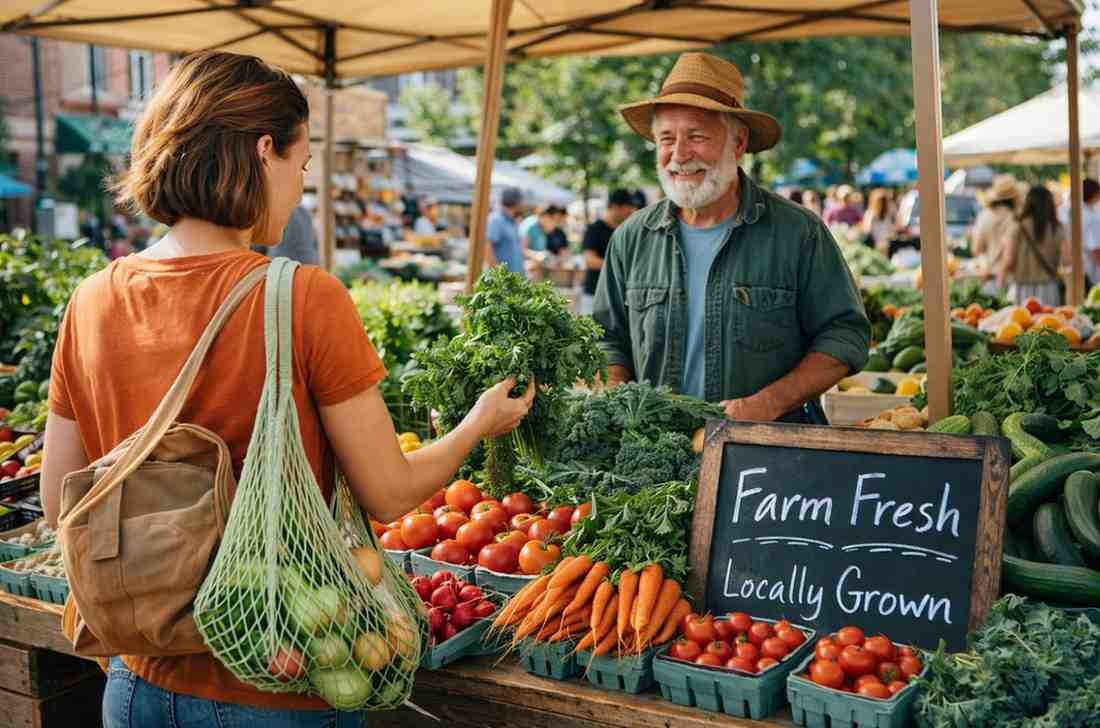
It’s easy to default to familiar chains, especially when traveling. But choosing locally owned stays and eateries creates a very different experience.
A small guesthouse or neighborhood café often gives you:
- Conversations you didn’t expect
- Food that reflects the region, not a menu template
- A direct way to support local communities
This is where meaningful travel experiences begin to take shape.
Walk, Cycle, Or Take Public Transport
Transportation is one of the biggest contributors to a trip’s footprint. Slowing down your movement changes both impact and experience.
Walking or cycling lets you notice details you’d otherwise miss. Public transport gives you a glimpse into daily life. These aren’t just eco-friendly travel tips; they’re ways to feel more connected.
You’ll often discover:
- Local neighborhoods not listed in travel guides
- Markets, street art, and hidden spots
- A more natural rhythm of the place
Immersive Experiences That Make Travel Feel Real
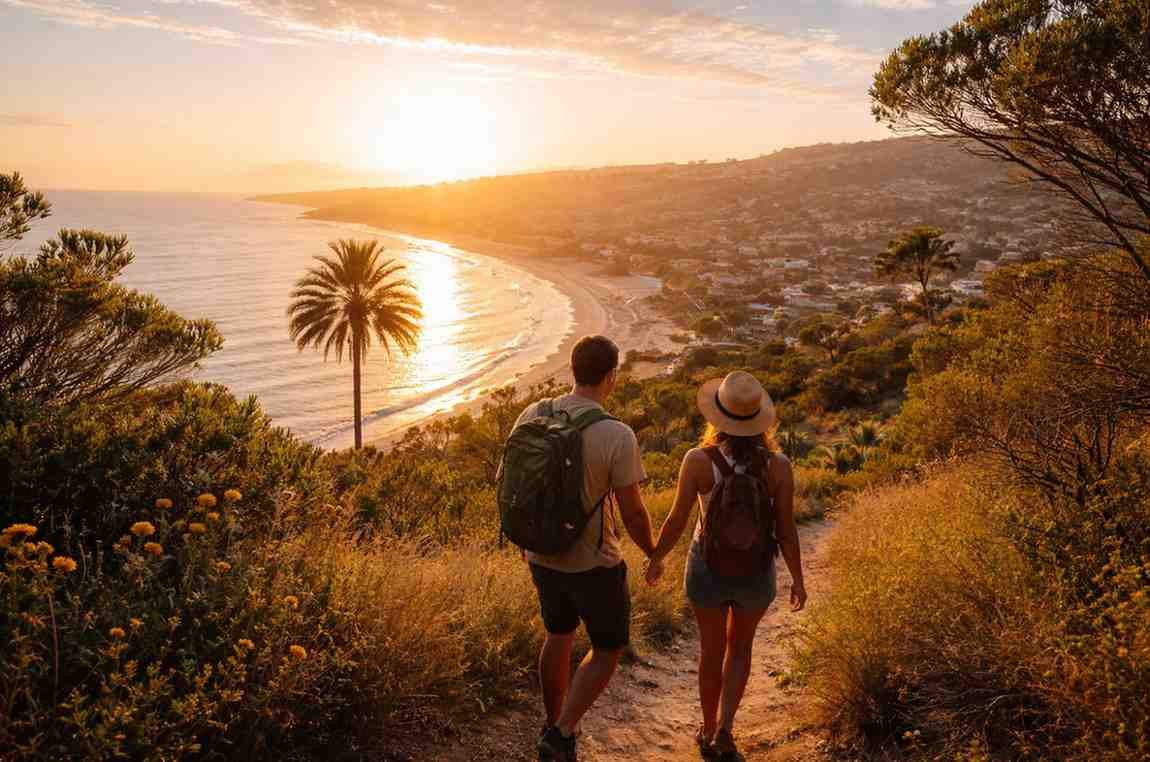
Some of the best sustainable vacation ideas don’t feel like “sustainable choices” at all. They just feel more real.
Learn Something Local
Instead of just observing, participate. Take a cooking class, join a workshop, or attend a local event. Even something small, like learning a regional recipe, changes how you relate to a place.
It turns passive travel into cultural immersion.
Travel At A Human Pace
Long walks, cycling routes, or even train journeys shift your mindset. You’re not rushing between checkpoints, you’re experiencing the journey itself.
This is why walking routes and cycling trips are becoming popular conscious travel habits. They slow everything down in the best way.
Spend Time In Nature Without Disturbing It
Nature-based experiences can be powerful when done right. Think quiet hikes, wildlife observation, or staying in eco-conscious lodges.
The goal isn’t to “consume” nature but to exist within it without leaving a heavy footprint. That’s what low-impact travel looks like in practice.
Practical Tips That Actually Make A Difference
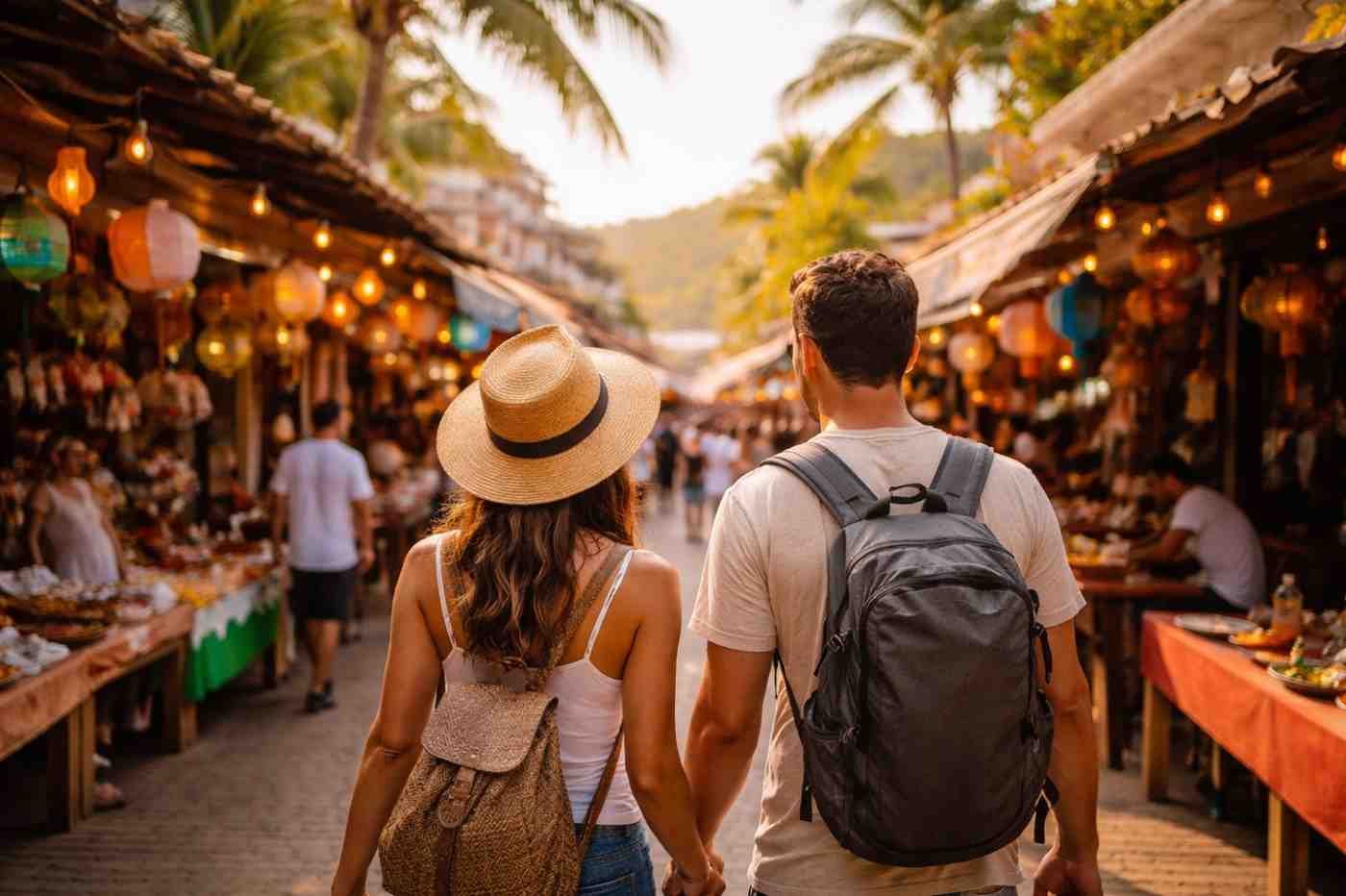
You don’t need to overhaul your entire trip. A few simple adjustments can significantly reduce your impact while improving your experience.
Small Changes That Add Up
- Carry a reusable bottle, cup, and cutlery
- Pack lighter to reduce fuel consumption
- Choose trains over short flights when possible
- Eat seasonal, locally sourced food
- Avoid single-use plastics during your trip
These are simple responsible travel tips, but they work because they’re easy to stick to.
Choose Better Places To Stay
Where you stay matters more than most people realize. Look for:
- Locally owned accommodations
- Eco-certified stays
- Places that prioritize waste reduction and energy efficiency
These choices support how to travel smart tourism practices without sacrificing comfort.
FAQs: Sustainable Travel Ideas For Slower, More Meaningful Trips
1. What are the best sustainable travel ideas for beginners?
Start simple. Stay longer in one place, carry reusables, and choose local businesses. These small changes build strong conscious travel habits without overwhelming you.
2. How does slow travel reduce environmental impact?
It reduces frequent transportation, especially flights. Fewer movements mean a lower carbon footprint, making your trip more sustainable overall.
3. Is slow travel more expensive?
Not necessarily. Staying longer often reduces costs on transport, and local options are sometimes more affordable than tourist-heavy alternatives.
4. Can you still be comfortable while traveling sustainably?
Yes. Sustainable travel isn’t about giving up comfort. It’s about making smarter choices that balance convenience with impact.
Final Thoughts
Slowing down changes how you see travel. It shifts your focus from covering distance to building connection. You start noticing details, conversations, and moments that don’t show up on itineraries. The trip feels less like something you completed and more like something you experienced. That’s where the real value is.
You don’t have to do everything perfectly. Just start with a few better choices, and the rest naturally follows.