

I used to think traveling smart meant planning everything down to the hour. Book early, optimize routes, pack efficiently, basically, turn the trip into a well-oiled machine. On paper, it looked perfect. In reality, it felt rushed. I checked off places but barely remembered how they felt.
That changed after one trip where things didn’t go as planned. A missed reservation turned into a random local dinner I still remember years later. That’s when it clicked: how to travel smart isn’t about controlling everything; it’s about creating space for the right experiences while avoiding unnecessary friction.
What “Travel Smart” Actually Means

Most smart travel tips focus on saving money or being efficient. That’s part of it, but it’s incomplete. Real smart travel is about protecting your time, energy, and attention so you can actually enjoy where you are.
This is where the CEL filter (Cost, Energy, Logistics) becomes useful. Before locking anything in, ask:
- Is this draining my budget unnecessarily?
- Will this exhaust me before I even enjoy it?
- Is the logistics complexity worth it?
If something fails all three, it’s not smart even if it looks good on an itinerary.
Plan Enough But Not Too Much

One of the biggest mistakes people make is overplanning. You end up chasing time instead of enjoying it.
Instead, focus on:
- Locking in only the must-do experiences
- Keeping the rest of your schedule flexible
- Leaving gaps for unplanned moments
A good rule that works in real life is the “max moves” approach limit how often you change locations. If you’re traveling for around two weeks, sticking to one or two base locations gives you time to actually settle in.
This is how you avoid travel burnout while still making the most of your trip.
Use Technology To Reduce Friction
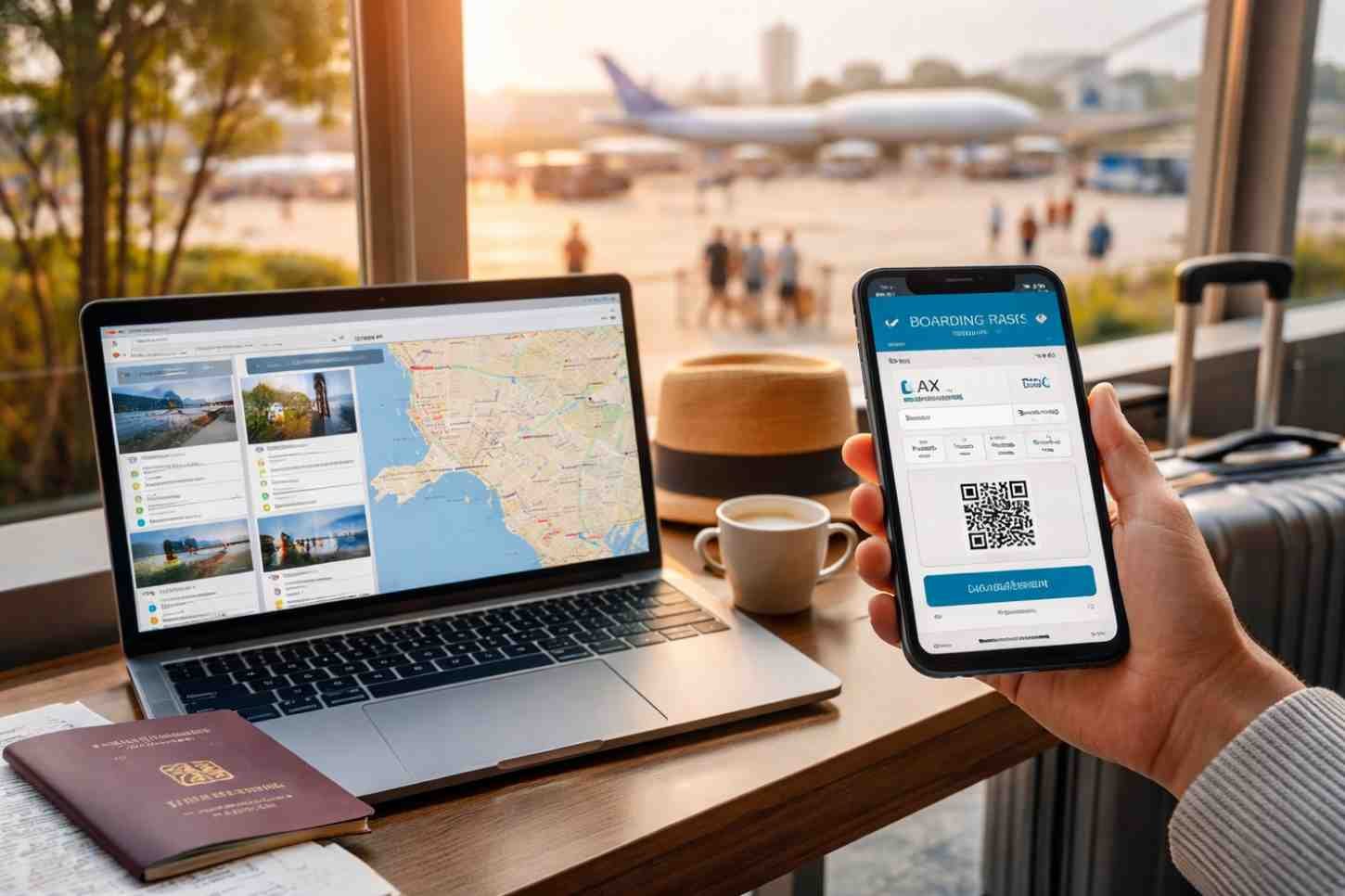
Smart travelers don’t waste energy on avoidable problems. A few simple tools can make your trip smoother without overcomplicating things.
Here are a few that genuinely make a difference:
- Offline maps so you’re never stuck without directions
- eSIMs or digital data plans for instant connectivity
- Real-time flight tracking apps to stay ahead of delays
- Digital copies of documents for backup
This isn’t about being overly technical; it’s about removing small stresses that quietly ruin experiences.
Pack Light, Move Better
Packing is where a lot of trips start going wrong. Too much luggage slows you down, adds cost, and limits flexibility.
Traveling with just a carry-on forces you to be intentional:
- Clothes that mix and match
- Essentials only
- No “just in case” overload
The lighter you travel, the easier it becomes to move, explore, and adapt. And that directly impacts how much you enjoy the trip.
Stop Chasing Tourist Checklists

This is where most people miss out without realizing it. They visit all the “top places” but experience very little.
If you want more meaningful travel experiences:
- Walk a few blocks away from crowded areas (the “five-block rule”)
- Eat where locals actually eat
- Spend time in neighborhoods, not just landmarks
Some of the best moments don’t show up on lists. They happen when you step slightly off the obvious path.
Choose Experiences Over Comfort
It’s tempting to spend more on better hotels, nicer transport, or upgrades. But those rarely become the highlights you remember.
Smart travel often means:
- Choosing a decent, comfortable stay, not luxury
- Using the savings for something memorable
- A guided historical tour
- A unique local activity
- A once-in-a-lifetime experience
You don’t remember the thread count of your sheets. You remember what you did.
Travel as You Belong There

The shift from being a tourist to feeling connected changes everything.
You can do that by:
- Learning a few basic local phrases
- Talking to people instead of just observing
- Trying everyday experiences, not just curated ones
Even something simple like asking a local where they eat can completely change your experience.
Alternative stays like homestays or hostels can also give you insights you won’t find anywhere else. People often share travel trends that are popular now with recommendations that never make it into guides.
Use Timing To Your Advantage
When you travel matters as much as where you go.
Traveling during shoulder seasons:
- Reduces crowds
- Lowers costs significantly
- Makes experiences feel more relaxed
Instead of waiting in lines or rushing through packed spaces, you actually get time to absorb where you are.
FAQs: How To Travel Smart Without Missing Out On Experiences
1. How to travel smart without overplanning?
Focus on booking only essentials like flights and key experiences. Leave space in your itinerary for flexibility so you can adapt and enjoy unexpected moments.
2. What is the best way to save money while traveling?
Travel during shoulder seasons, use reward points, and prioritize spending on experiences instead of luxury stays. Small choices add up quickly.
3. How do I make my travel more meaningful?
Spend time in local neighborhoods, interact with people, and avoid rushing through attractions. Slowing down often leads to better experiences.
4. Is it better to plan everything or stay flexible?
A mix works best. Plan the important parts, but keep enough flexibility to explore beyond your itinerary.
Final Thoughts
The more you travel, the more you realize that being efficient isn’t the same as experiencing something fully. You can do everything “right” and still come back feeling like something was missing. That usually happens when the trip becomes more about managing logistics than actually living the moments.
Learning how to travel smart is really about knowing what matters and letting go of what doesn’t.
Do less, notice more, and let the trip unfold a little.