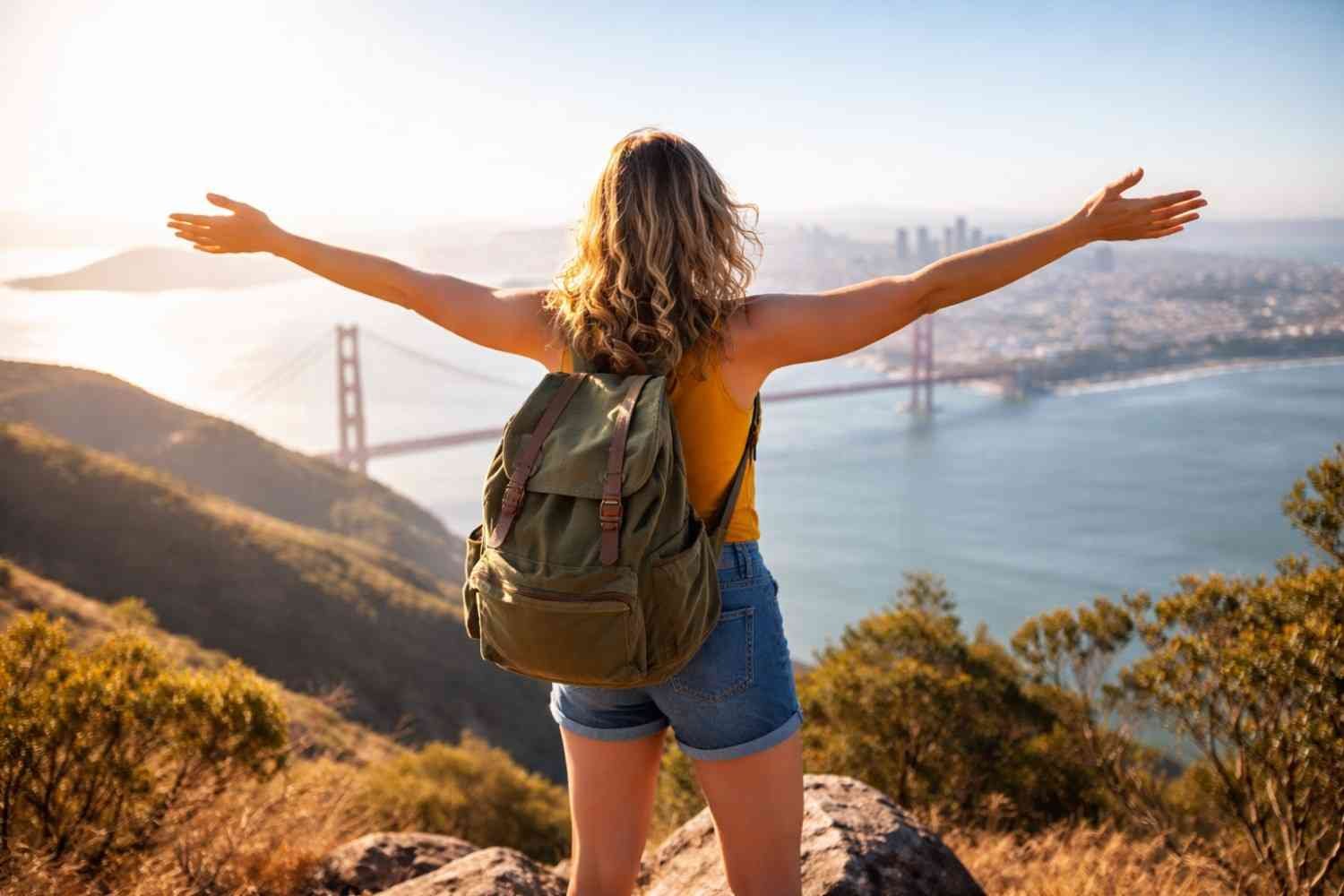
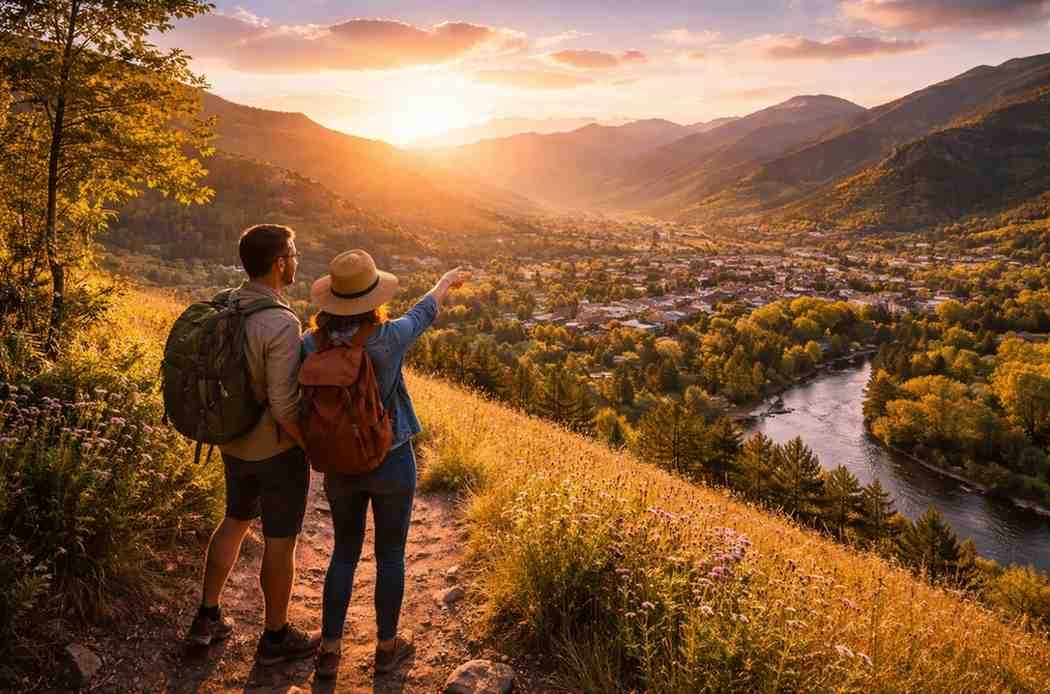
Travel feels different now than it did a few years ago. Earlier, trips were often about seeing famous landmarks, taking photos, and moving quickly from one place to another. Many people returned from vacations feeling like they had seen a lot but experienced very little. That approach is slowly changing. People now want trips that feel personal, memorable, and emotionally meaningful rather than just busy itineraries.
I started noticing this change when travelers began talking more about experiences instead of destinations. Instead of saying they visited a city, they talked about cooking with locals, walking through neighborhoods, or spending evenings in small markets. The focus has shifted from places to moments, and that shift is creating new ways of exploring destinations that make travel more meaningful.
Traveling With Purpose Instead of Just Plans
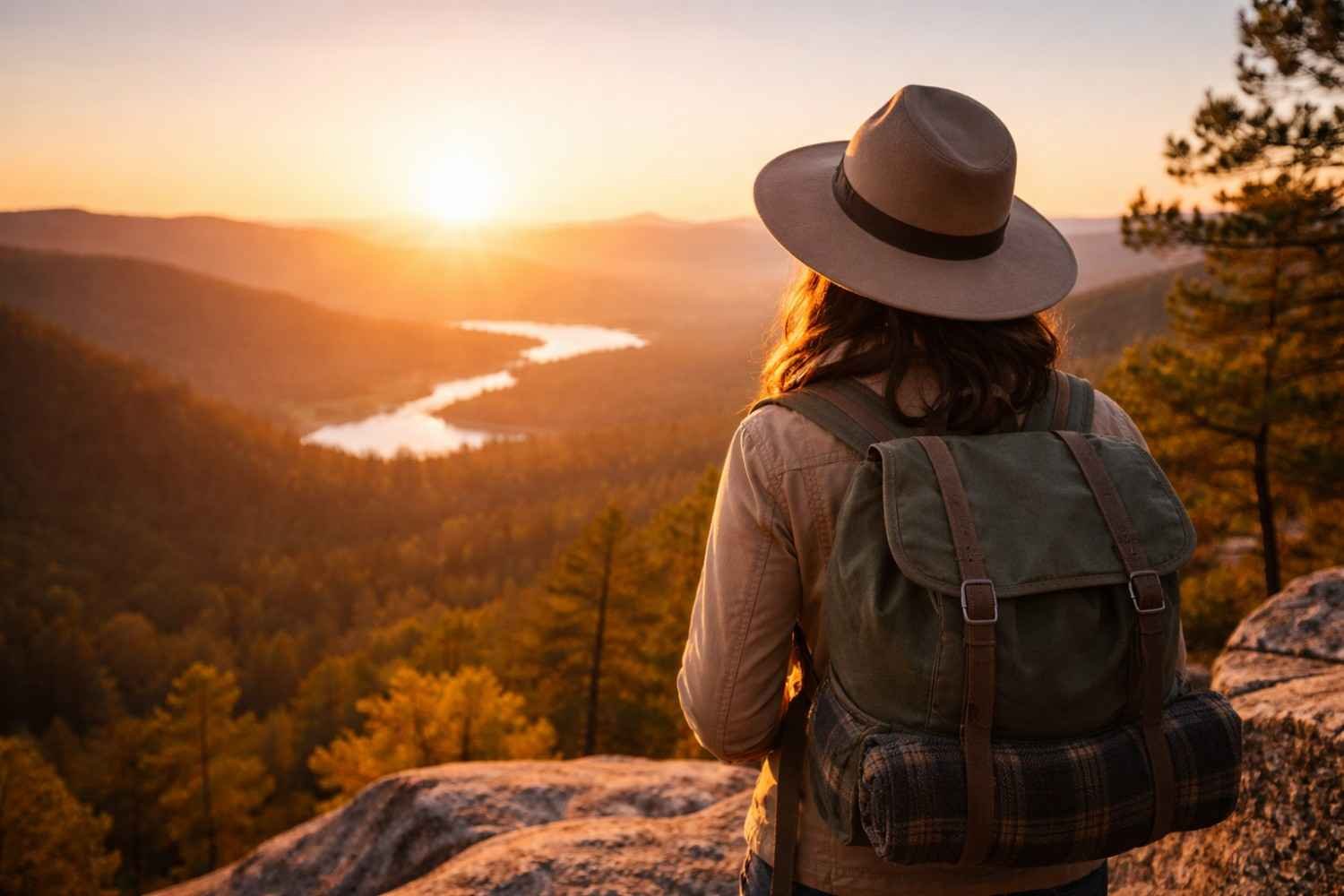
One of the biggest changes in travel is that people are now choosing trips based on how they want to feel, not just where they want to go. Some travel to reset mentally, some to reconnect with family, and some simply to take a break after achieving something important in their lives. Travel is becoming more emotional and intentional.
These purpose-driven trips are sometimes called “why trips,” where the reason for traveling matters more than the destination itself. Instead of planning around attractions, people plan around experiences like relaxation, learning something new, spending time in nature, or meeting new people. This makes the trip more memorable because it connects to a personal goal or emotion rather than just a location.
Living Like a Local Changes Everything
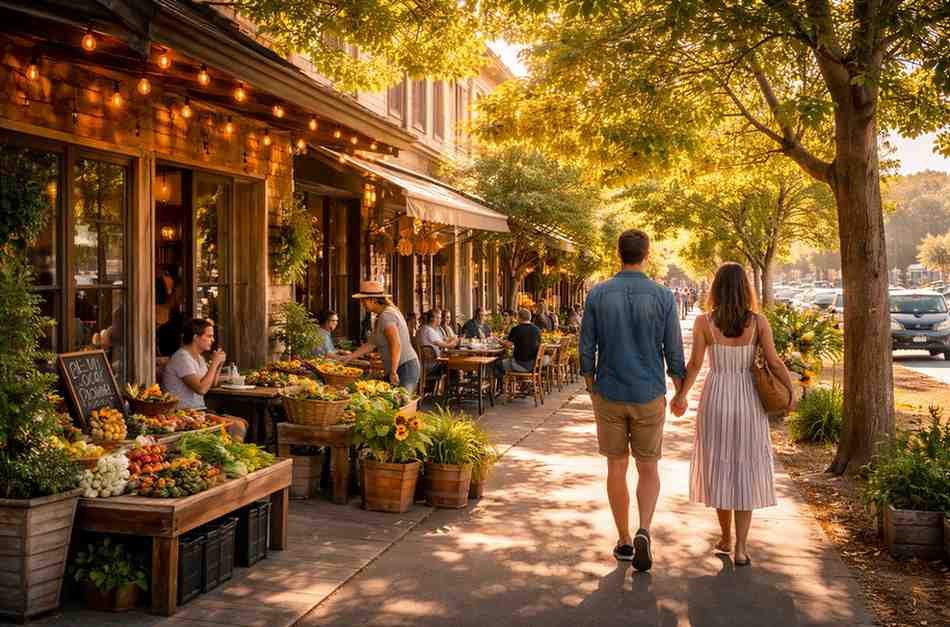
One of the most meaningful travel experiences comes from living like a local instead of behaving like a tourist. This does not require expensive experiences or complicated plans. It usually involves simple things that locals do every day.
Some simple ways travelers are doing this include:
- Visiting local grocery stores and markets
- Using public transportation instead of taxis
- Walking through residential neighborhoods
- Eating at small local restaurants
- Attending local events or community markets
- Spending time in parks and public spaces
These shared hobbies often become the most memorable parts of a trip because they feel real and unscripted.
Exploring Destinations at Night
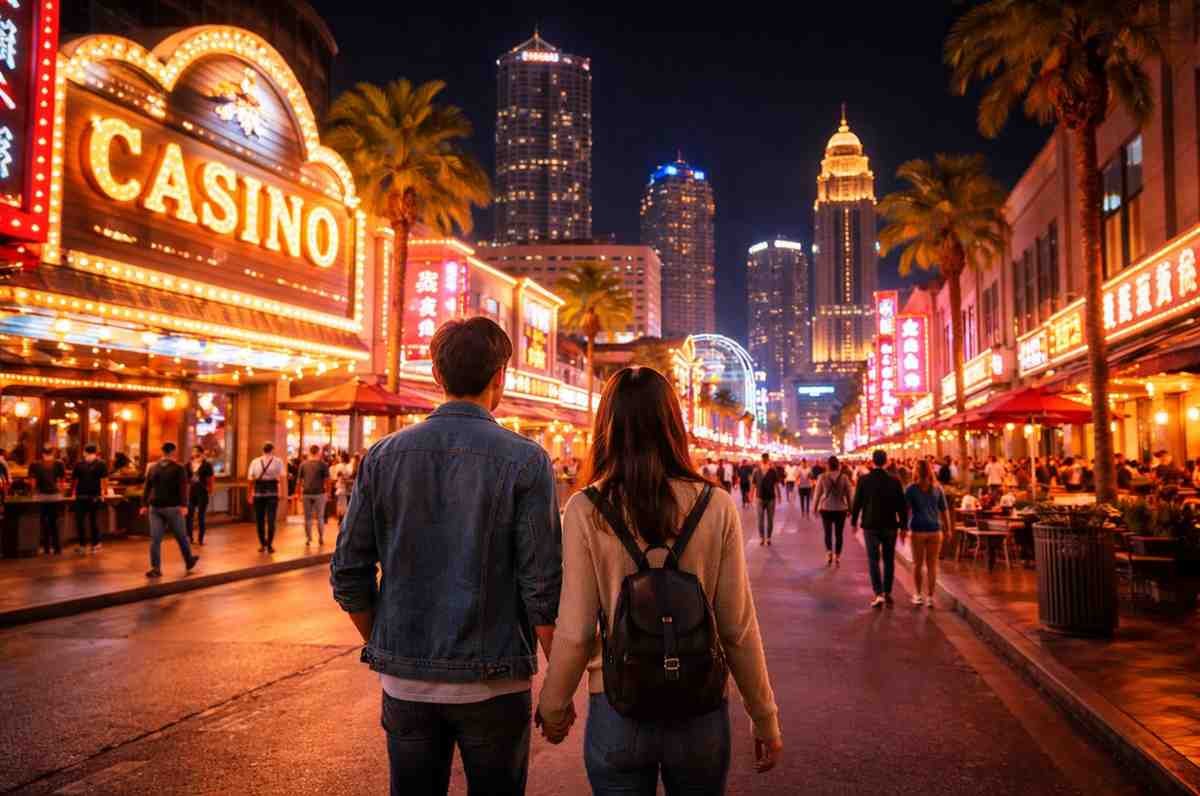
Another new way of exploring destinations is experiencing places after sunset. Many cities and towns feel completely different at night. Night markets, live music, evening food streets, and quiet city walks create a different atmosphere compared to busy daytime tourism.
Night travel experiences are becoming popular because they:
- Avoid daytime crowds
- Offer cooler weather in warm regions
- Show a different cultural side of a place
- Create more relaxed and social experiences
Sometimes the most meaningful travel memories come from simple night walks, local street food, or late conversations rather than daytime sightseeing.
Slow Travel Is Changing How People See Places
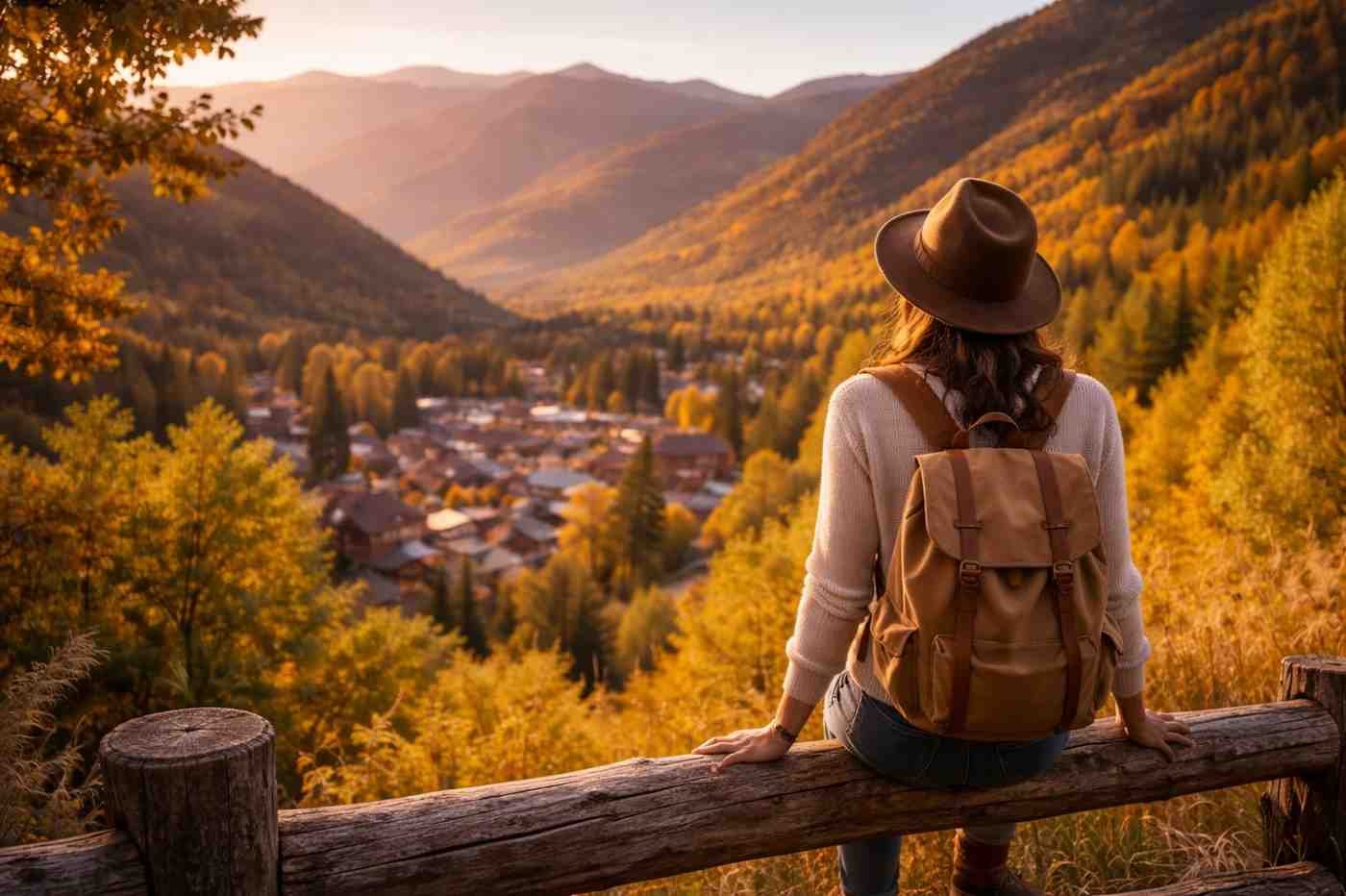
Slow travel is becoming one of the biggest travel trends because people are realizing that rushing through many destinations often leads to travel fatigue instead of enjoyment. Staying longer in one place allows travelers to understand the culture, routines, and lifestyle of that destination.
Slow travel often includes:
- Staying in one city or region longer
- Taking trains instead of short flights
- Learning a local skill or activity
- Visiting smaller towns nearby
- Becoming familiar with local cafes and markets
- Building temporary routines while traveling
When people travel slowly, they start feeling less like visitors and more like temporary residents, which makes the experience more meaningful.
Community-Based and Responsible Travel
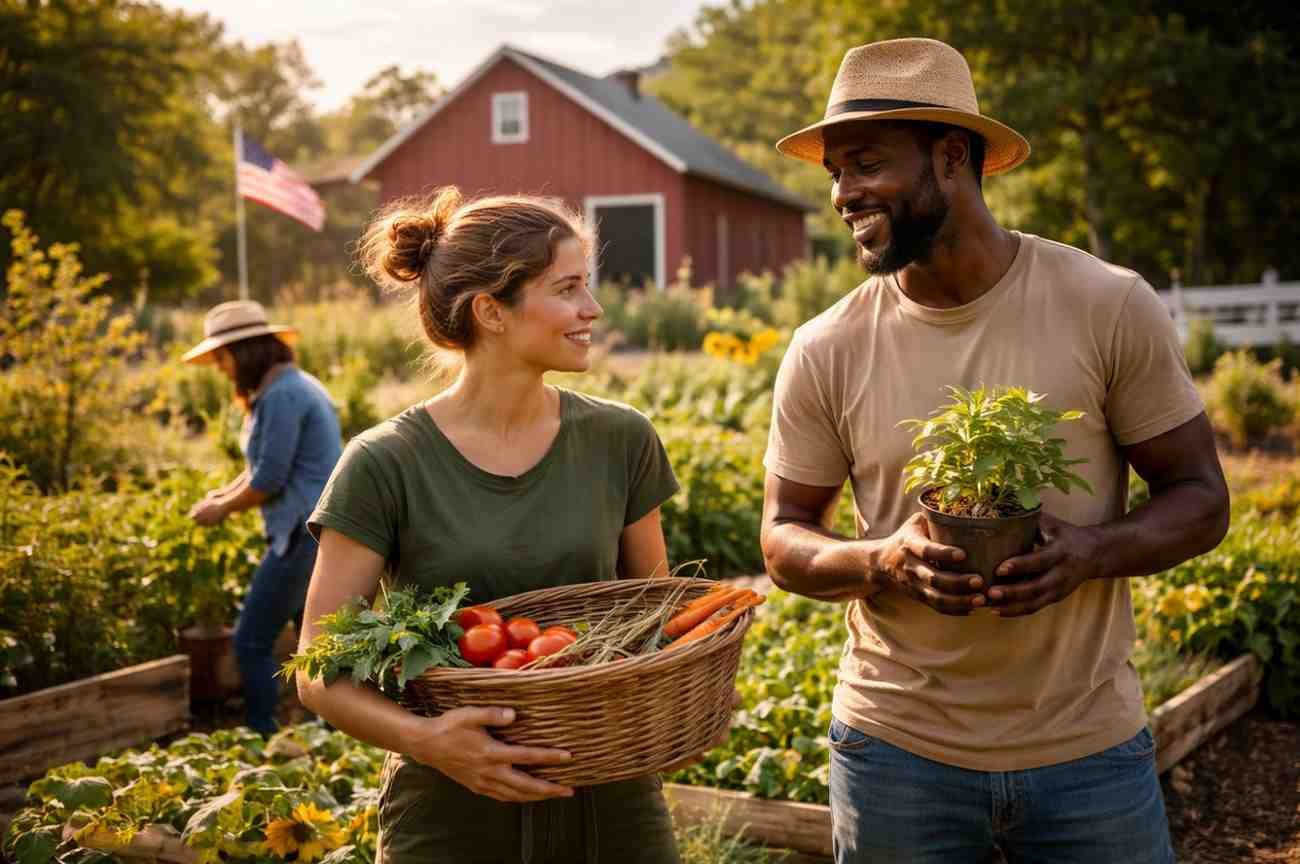
Another important change is that travelers are becoming more aware of how their travel impacts local communities. Many people now prefer staying in locally owned guesthouses, eating at local restaurants, and booking tours run by local guides. This helps the local economy and creates more authentic travel experiences.
Some travelers are even participating in activities like:
- Environmental conservation projects
- Community farming experiences
- Cultural workshops
- Local craft and art classes
- Wildlife or nature restoration programs
This type of travel is meaningful because travelers feel like they are contributing instead of just consuming.
Traveling Based on Interests and Passions
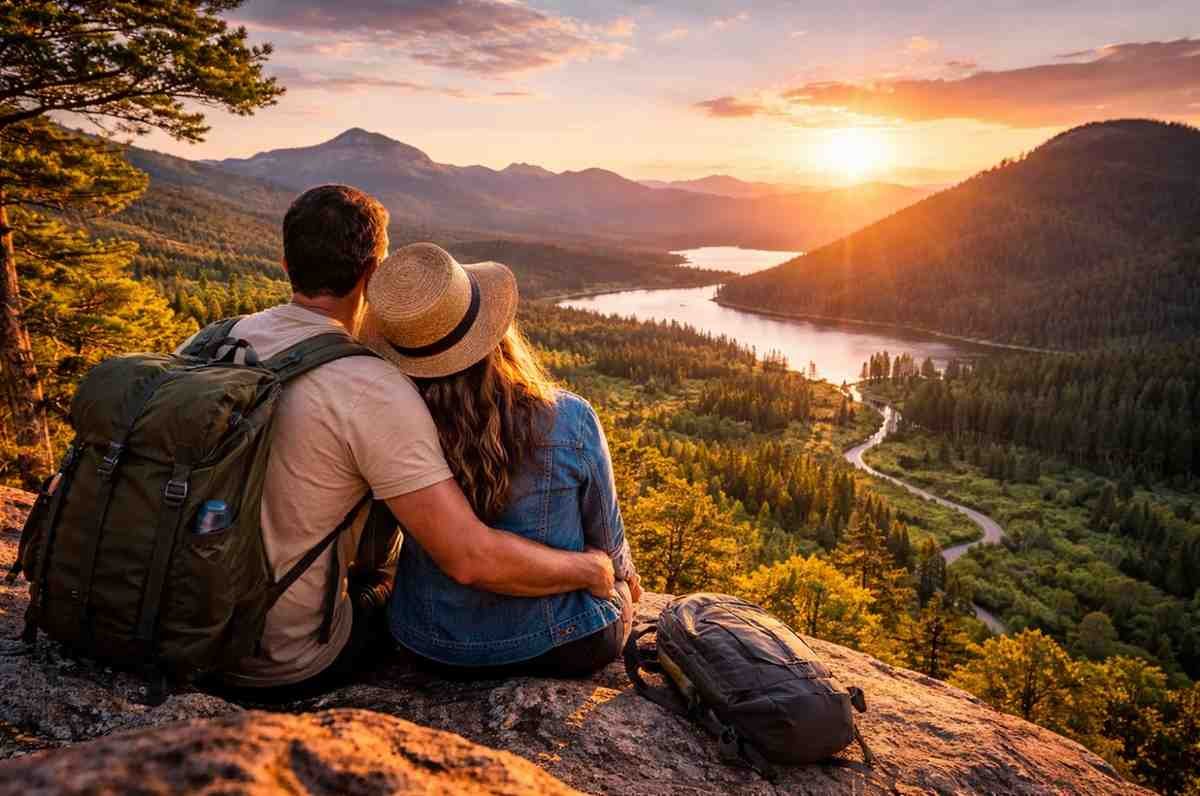
People are also planning trips around personal interests rather than popular destinations. For example, someone who loves food may travel to explore local markets and cooking classes. Someone who loves books may visit places related to famous novels. Someone interested in nature may travel for hiking, stargazing, or wildlife experiences.
This makes travel more personal because the trip is built around something meaningful to the traveler, not just famous locations.
FAQs: New Ways of Exploring Destinations That Make Travel More Meaningful
1. What are meaningful travel experiences?
Meaningful travel experiences are trips that focus on personal growth, cultural immersion, local experiences, and emotional connection rather than just sightseeing and tourist attractions.
2. What is slow travel, and why is it popular?
Slow travel means staying longer in one place and exploring it deeply instead of visiting many destinations quickly. It is popular because it reduces travel stress and creates more authentic experiences.
3. How can I travel like a local?
You can travel like a local by using public transportation, visiting local markets, eating at small restaurants, staying in local neighborhoods, and attending community events.
4. Why are travelers choosing experiences over sightseeing?
Travelers are choosing experiences over sightseeing because experiences create stronger memories, emotional connections, and a deeper understanding of the destination.
Final Thoughts
Travel is changing in a quiet but important way. People are no longer satisfied with just seeing places; they want to feel places. They want to understand how people live, what they eat, how cities move, and what everyday life looks like in different parts of the world. The most meaningful trips are often not the busiest ones but the ones where travelers slow down, notice small details, and become part of the place, even if only for a few days.
New ways of exploring destinations are really about changing the travel mindset. When travel becomes less about checklists and more about experiences, every destination becomes more meaningful, no matter how far or how close it is.