I’ve stepped outside dressed for a chilly morning, only to spend lunch carrying a coat that suddenly felt unnecessary. That’s why I approach how to layer clothes during unpredictable weather as a series of small adjustments. A comfortable base, removable warmth, and practical outerwear give me options without requiring an outfit change.
The goal is simple: build an outfit that works when the temperature rises, the wind picks up, or your office feels colder than the sidewalk.
Start With the Hourly Forecast
Check conditions for your entire day, including your trip home. The afternoon high alone won’t tell you what you need at the bus stop before sunrise.
Look at the morning temperature, afternoon peak, wind, and rain timing. Consider how long you’ll spend outdoors. Walking several blocks generates more warmth than waiting outside for a rideshare.
For a day starting at 48°F and reaching 70°F, you might choose a lightweight top, cardigan, and removable jacket. Treat this as an example, since personal comfort varies.
Build Three Layers With Different Jobs
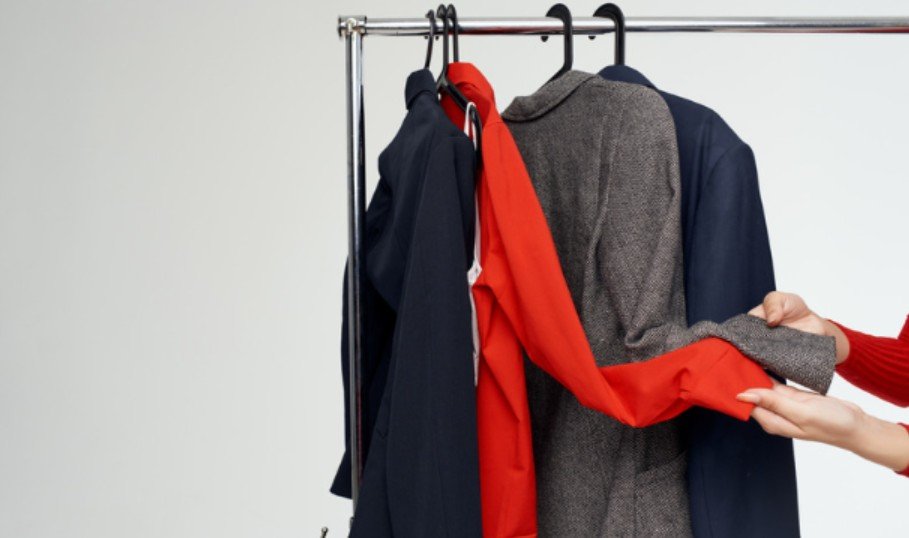
You don’t need to wear all three layers continuously. Keep the pieces available and adjust them as conditions change.
Choose a Comfortable Base
Your base should feel comfortable against your skin and look presentable alone. Try a lightweight T-shirt, simple blouse, or thin long-sleeve top.
For brisk walking or damp, cool conditions, consider moisture-wicking synthetic fabrics or lightweight merino wool. Cotton can work for relaxed outings in mild, dry weather, but it absorbs moisture and dries slowly.
For warmer conditions, choosing lightweight fabrics becomes even more important, and these breathable outfit ideas for hot and humid weather can help you stay comfortable when temperatures and humidity rise.
Avoid automatically choosing thermal underwear. If your afternoon will be warm, a heavy base can leave you uncomfortable after every removable layer comes off.
Add Removable Warmth
The middle layer helps retain warmth. A fine-knit cardigan, light fleece, or thin sweater provides flexibility without overwhelming your outfit.
Choose buttons or a full zipper when you expect frequent adjustments. Opening a cardigan on a warm train is easier than removing a pullover while holding your bag.
An overshirt adds modest warmth on mild days. For colder conditions, choose a more insulating piece rather than assuming every middle layer performs equally.
Match Outerwear to the Conditions
Choose your outer layer for the weather you expect. A windbreaker suits breezy conditions, while sustained rain calls for suitable waterproof protection.
Check garment descriptions instead of judging by appearance. A trench coat, bomber, or denim jacket isn’t automatically waterproof. Water-resistant clothing may handle brief drizzle but has limits.
Make sure the jacket fits over your middle layer without pulling across your shoulders. Move your arms and sit down before deciding the combination works.
Try Three Everyday Outfit Formulas
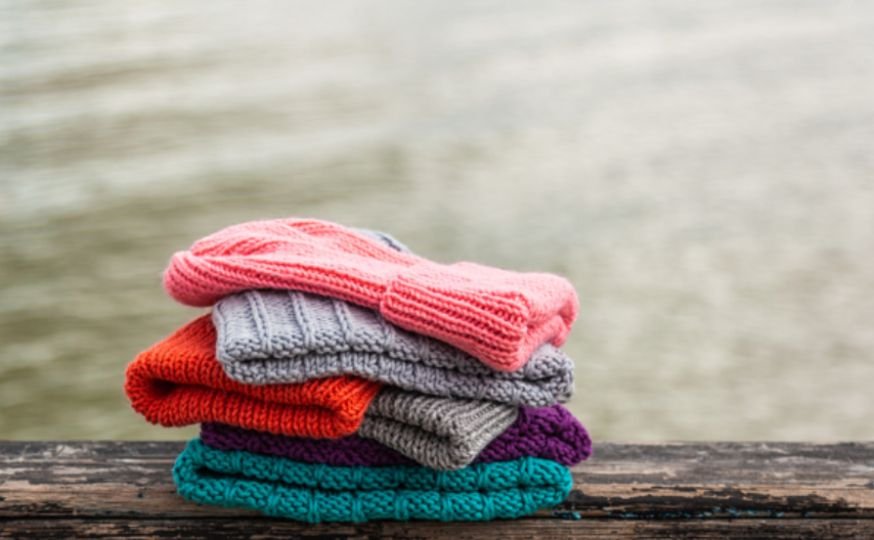
Understanding how to layer clothes during unpredictable weather becomes easier when you connect each outfit to a realistic day.
Cool Morning, Warm Afternoon
Wear a short-sleeve tee with straight-leg jeans, a fine cardigan, and a lightweight jacket for your commute. Remove the jacket as the morning warms, then the cardigan if needed.
Sneakers can make these flexible combinations even more practical for daily activities, and exploring sneaker outfit ideas for everyday wear can help you create comfortable looks that work across different settings.
Choose a tee you’re happy wearing independently.
Your warm-weather outfit should feel finished after the extra pieces come off.
Mild Day With Afternoon Showers
Try a lightweight long-sleeve top, comfortable pants, and a packable waterproof shell. Carry a thin insulating layer if you expect a cooler evening.
Wear shoes appropriate for wet pavement and your walking distance. Rain protection is less useful when your footwear becomes uncomfortable after one puddle.
Warm Sidewalks, Chilly Offices
Pair a breathable blouse or tee with chinos and a cardigan. Carry the cardigan outdoors and wear it inside when the air conditioning feels strong.
If your evening plans include outdoor seating, keep that extra layer accessible instead of leaving it at your desk.
Keep Your Outfit Comfortable and Balanced
Start with thinner fabrics underneath and leave enough room in outer pieces for movement. Stacking tight garments can feel restrictive, while several heavy pieces create unnecessary bulk.
Use a simple color palette to make combinations easier. Navy, cream, and olive work together, but your existing wardrobe should guide the choices.
Mix textures thoughtfully, such as a smooth tee under knitwear. Check collars, sleeves, and hems in a mirror to prevent bunching. There’s no mandatory hem order; aim for proportions you enjoy wearing.
Plan Where Removed Layers Will Go
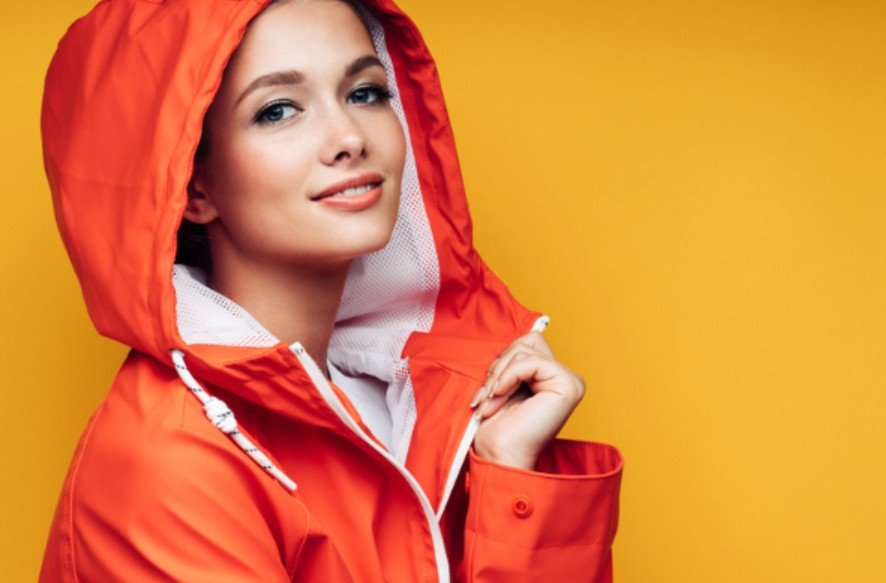
Before leaving, test whether your jacket and cardigan fit inside your tote or backpack. A removable layer becomes inconvenient if carrying it occupies your hands all afternoon.
Keep rain protection near the top of your bag. Place wet outerwear separately from dry clothing and electronics.
Small accessories can help, too. A lightweight scarf offers adjustable coverage, while sunglasses remain useful when a cloudy morning turns bright.
Avoid Common Layering Mistakes
Adjust layers before you become sweaty or uncomfortably cold. Waiting too long makes it harder to regain comfort. Don’t assume a thicker outfit is always better. Match insulation to your activity and the conditions.
Avoid buying an entirely new wardrobe before testing combinations you own. Try your outfits at home, including the version you’ll wear after removing the jacket.
Building a versatile wardrobe starts with choosing well-made pieces, and learning how to find quality clothing at thrift stores can help you discover durable layering essentials without overspending.
Frequently Asked Questions
1. What is the easiest way to learn how to layer clothes during unpredictable weather?
Start with a comfortable base, an easily removable middle layer, and outerwear suited to wind or rain. Practice adjusting the combination throughout an ordinary day.
2. Do I always need three layers?
No. Two layers may be enough in mild conditions. Carry an additional piece when your forecast, outdoor exposure, or evening plans make it useful.
3. How can I avoid looking bulky?
Use lightweight fabrics, choose outerwear with enough room, and avoid stacking several thick garments. Check that sleeves and shoulders move comfortably together.
Final Thoughts
I find getting dressed easier when every piece has a purpose and the outfit works at each stage. I start with clothes I already enjoy, add removable warmth, and choose protection for the actual forecast. A little preparation gives me more freedom to enjoy the day comfortably.
I also like keeping a few reliable combinations ready for mornings when I’m short on time. A favorite tee, a lightweight cardigan, and a practical jacket can take much of the guesswork out of dressing. Before leaving, I check that my bag has room for whatever I might remove later.