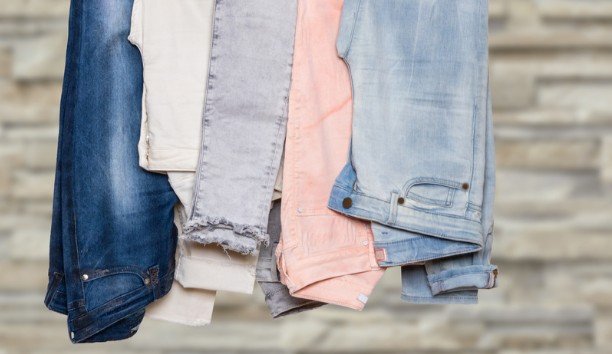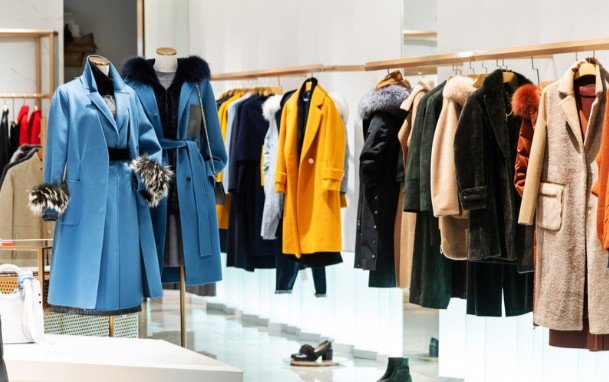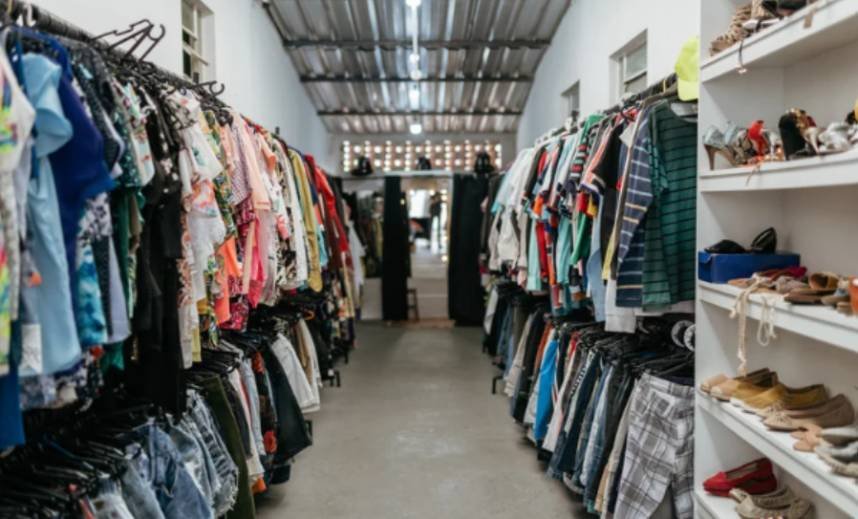
I want thrift shopping to leave me with clothes I love wearing, rather than a closet full of almost-right bargains. That means looking beyond an attractive label or a tempting price. A beautiful jacket only earns its place when the fabric, construction, condition, and fit make sense together.
Learning how to find quality clothing at thrift stores starts with a repeatable inspection. Check the material, turn the garment inside out, examine worn areas, test its fasteners, and consider cleaning costs before buying. These ten checks help you make that decision confidently.
1. Start With a Wardrobe Plan
Before visiting Goodwill, a Salvation Army store, or a neighborhood charity shop, identify what your wardrobe needs. Perhaps it is straight-leg jeans, an interview blazer, or a lightweight summer shirt.
Set a spending limit and bring measurements from clothing that fits comfortably. A focused list helps you recognize useful finds without buying something simply because it looks expensive.
Before shopping, it also helps to understand how to mix vintage clothing with modern pieces so thrifted finds can complement your existing wardrobe.
Once you find versatile clothing pieces, you can make them look more polished with practical budget outfit accessorizing tips that add style without increasing your spending significantly.
2. Read the Fabric and Care Labels
Cotton, linen, wool, and silk can be excellent finds, but natural fibers do not automatically guarantee durability. Polyester and nylon also have practical uses, especially in outerwear and athletic clothing.
Read the care instructions alongside the fiber content. A delicate blouse may require cleaning that outweighs its low purchase price. Missing labels mean more uncertainty, particularly when you cannot confidently identify the material.
3. Judge the Fabric’s Current Condition
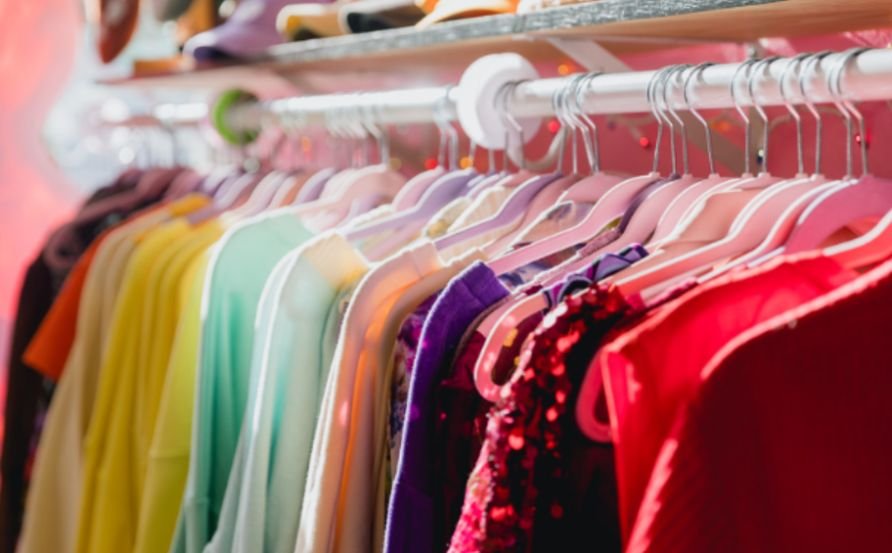
Feel several pieces to compare their texture, flexibility, and condition. Look for thinning, snags, uneven fading, and fabric that feels brittle.
Hold clothing toward a bright area to spot small holes. Remember that lightweight fabric can be intentionally sheer; compare areas that receive friction with less exposed sections.
Gently stretch elastic waistbands and stretchy fabrics. They should recover without remaining loose or producing crackling sounds that suggest deterioration.
4. Turn the Garment Inside Out
Interior construction provides clues that a familiar brand name cannot.
Examine Seams and Stitching
Look for secure, even stitches and neatly finished edges. Check shoulder seams, armholes, pockets, and the seat of pants. Gently ease the fabric beside a seam without pulling hard.
Loose threads may be minor, while fabric tearing away from stitches suggests a more substantial problem.
Check Linings and Structure
Inspect jacket linings for splits and pocket bags for holes. Collars and lapels should sit smoothly without bubbling. Lining is useful where appropriate, but an intentionally unlined linen jacket can still be well made.
5. Inspect the Areas That Wear Out First
Different garments reveal their history in different places.
Shirts and Blouses
Examine collars, underarms, cuffs, and button plackets. Check pale fabrics carefully for yellowing, and compare exposed shoulders with protected areas for fading.
Jeans and Pants
Check inner thighs, the crotch, knees, seat, belt loops, and hems. Thinning between the thighs can shorten a pair’s remaining life even when the denim looks good elsewhere.
Sweaters and Coats
Look for holes, stretched cuffs, distorted shoulders, and worn elbows. Surface pilling may be manageable, but widespread thinning or a shrunken, stiff texture deserves caution.
6. Test Every Closure
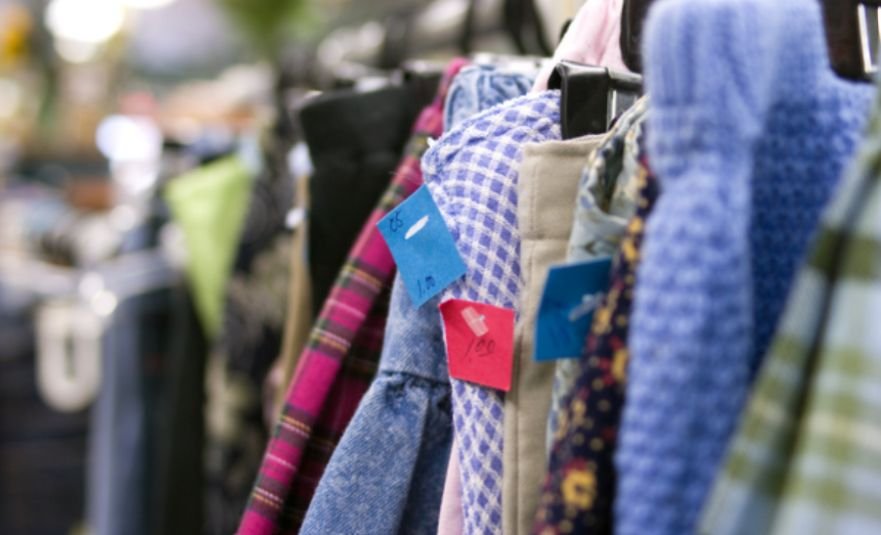
Run zippers through their full length and confirm they stay closed. Fasten buttons, snaps, hooks, and clasps.
Check whether buttonholes are stretched or frayed. Look for missing belts, detachable hoods, and other components you expect to use.
Metal hardware is not an automatic quality stamp. Smooth operation, secure attachment, and suitability for the garment matter more than appearance alone.
7. Check Fit Beyond the Size Tag
Vintage sizing and modern brand sizing vary, and previous washing or alterations can change measurements.
Try clothing on when possible. Sit, raise your arms, and walk to check comfort. Look for twisting side seams and pulling across the shoulders or hips.
Since jeans can vary considerably in cut and silhouette, understanding how to choose jeans that complement your personal style can help you make more confident secondhand purchases.
Without a fitting room, use a measuring tape and compare the garment with a similar piece you own. Confirm the store’s return policy before checkout.
8. Decide What Is Worth Repairing
A missing standard button or loose hem may be manageable. Replacing a coat zipper, rebuilding damaged lining, or changing shoulder structure can require more work. Learning how to find quality clothing at thrift stores also means recognizing projects you will realistically finish.
Avoid assuming stains or persistent odors will disappear. Buy repairable pieces only when you understand the work and likely cost. Otherwise, leave room in your budget for something ready to wear.
9. Compare the Total Cost
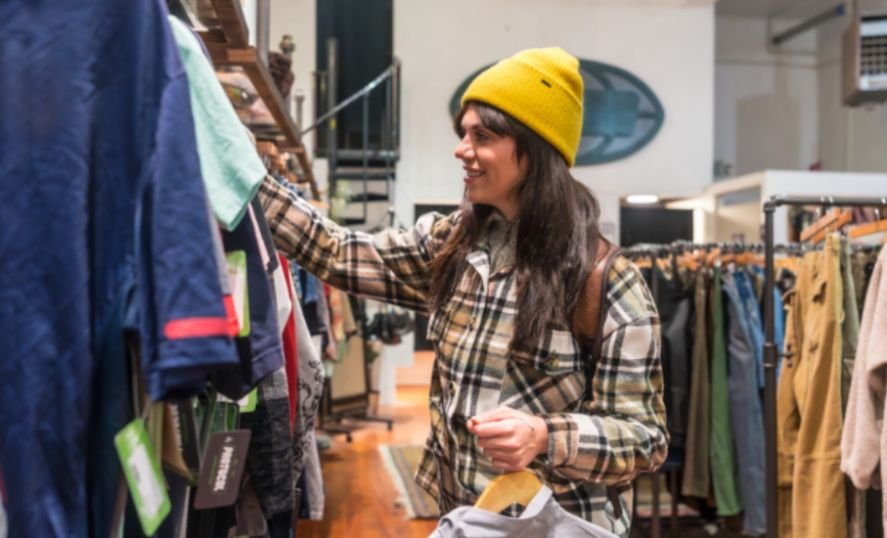
Add the purchase price, cleaning, repairs, and alterations before deciding whether an item is a bargain.
For example, an $8 skirt with a hypothetical $20 alteration costs $28 before cleaning. Compare that total with other options you would actually wear.
Brand and country-of-origin labels provide background, rather than proof of quality. Choose the garment’s present usefulness over its original retail price.
10. Learn Your Local Stores
Explore independent charity shops, chain thrift stores, and consignment stores to compare selection and pricing.
Ask staff when clothing usually reaches the floor; restocking schedules vary. Regular visits and offseason browsing can expand your options, but no particular neighborhood or shopping day guarantees better clothing.
Follow care instructions before wearing purchases, and store them appropriately.
Frequently Asked Questions
1. How do beginners learn how to find quality clothing at thrift stores?
Begin with familiar garments and compare fabric condition, interior stitching, working closures, and measurements. Inspect each potential purchase in good light before considering its brand.
2. Are expensive brands always worth buying secondhand?
No. An expensive label cannot compensate for damaged fabric, uncomfortable fit, or costly maintenance. Assess the actual garment and how often you expect to wear it.
3. Should I buy thrifted clothing that needs repairs?
Consider simple repairs when the surrounding fabric remains strong and the total cost makes sense. Skip projects that exceed your skills, budget, or available time.
Bring Home Better Finds
I would rather leave with one dependable piece than several bargains that need excuses. My final check is simple: does it fit, feel good, and work with my clothes? When those answers are clear, thrift shopping becomes more satisfying.