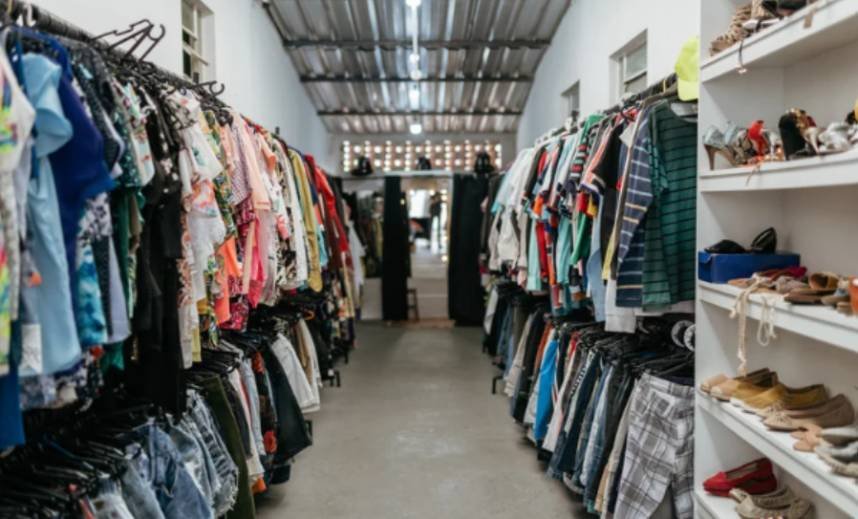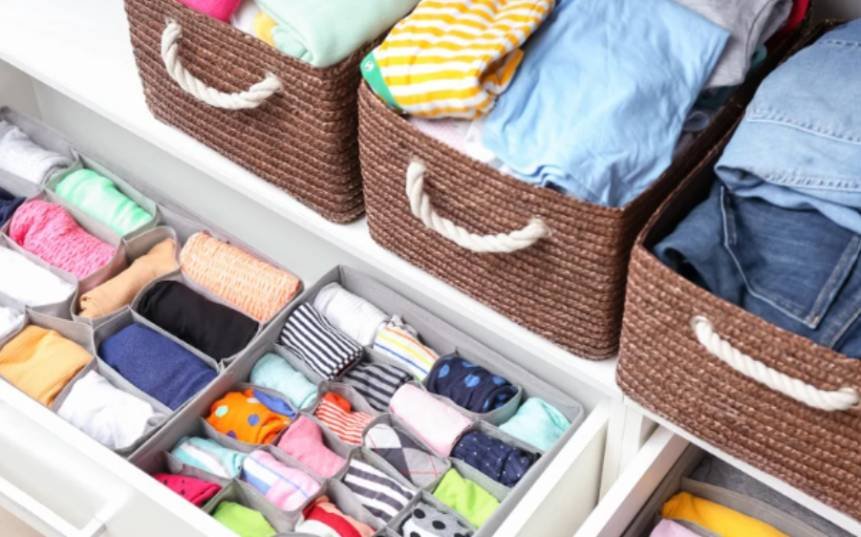
I know how frustrating it feels to stare at a packed closet and still struggle to choose an outfit. Another storage basket rarely solves that problem. What helps is seeing your options, finding matching pieces, and knowing everything is ready to wear.
If you’re wondering how to organize your closet for easier outfit planning, start with your routine. A closet should support your office days, grocery runs, weekend brunches, and changing weather. Here’s a practical system that turns scattered clothes into outfits without requiring a walk-in closet or an expensive makeover.
Start With a Wardrobe Edit
Before rearranging hangers, review what actually belongs in your everyday rotation. Empty one section at a time if tackling everything would leave your bedroom unusable.
Sort Clothes With a Purpose
Create separate groups for clothes to keep, donate, sell, repair, and reconsider. Try on uncertain pieces rather than relying on how they fitted last year.
Ask whether each garment fits comfortably, suits your current activities, and works with something you own. Keep occasional formalwear when it serves a real purpose; a wedding guest dress doesn’t need weekly wear to deserve space.
While reviewing your clothing, it also helps to identify common wardrobe mistakes and how to fix them, such as keeping poorly fitting pieces, overlooking repairs, or buying items that don’t work with your existing outfits.
Give repair items a deadline. A missing button shouldn’t keep your favorite shirt unavailable indefinitely.
Choose a Layout That Matches Your Routine
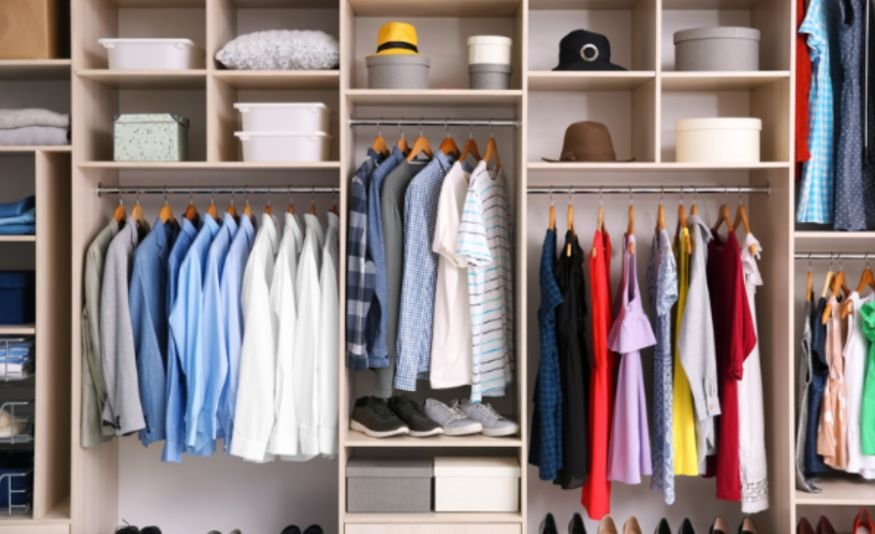
The best arrangement follows how you choose clothes. Think about what you usually reach for first: a favorite pair of jeans, a work blouse, or clothing for a particular activity.
Organize by Category First
Group tops, pants, skirts, dresses, and jackets separately. Within larger categories, divide by sleeve length or formality, then color if that helps you scan.
This lets you compare options without searching several locations. Keep frequently paired categories close together, such as office tops beside trousers.
Add Zones for Different Activities
Create a distinct area for workout clothing or business attire when those categories dominate your week. Shared closets also benefit from clearly assigned sections.
Avoid dividing everything into permanent outfits. A shirt that works with three bottoms should remain available for mixing. Reserve complete outfit groupings for upcoming plans.
Keep Everyday Choices Visible
Place frequently worn clothing where you can comfortably see and reach it. Store occasional pieces higher up or farther back.
Fold heavy sweaters to reduce stretching, and hang garments that benefit from hanging according to their care needs. Use short stacks or vertical folds in drawers so lower layers don’t disappear.
Leave enough room to move hangers. If removing one blouse pulls out several others, the section needs fewer garments or a different arrangement.
Matching hangers can create consistency, but use suitable hangers you already own before buying replacements.
Make Shoes and Accessories Part of the System

An outfit isn’t ready if its shoes, belt, or bag are missing. Keep footwear visible on a rack or in labeled boxes, with everyday pairs easiest to reach.
Use hooks for belts and bags where appropriate, and shallow compartments for smaller accessories. Store delicate jewelry securely rather than letting necklaces tangle.
For a small apartment closet, consider an over-the-door organizer after checking clearance. Measure shelves and doors before purchasing anything. Storage should fit your belongings and available space.
Turn Clothing Into Complete Looks
The real answer to how to organize your closet for easier outfit planning includes testing combinations, not simply sorting garments. Start with one reliable bottom and try different tops, shoes, and layers. For example, dark jeans might work with a cardigan and sneakers for errands or a blouse and loafers for casual office days.
Creating more combinations from fewer versatile pieces becomes easier when you understand how to build a capsule wardrobe, allowing you to coordinate essential clothing items without overcrowding your closet.
Try outfits on to check proportions and comfort. Include socks, underlayers, and outerwear when they affect the finished look. Photograph successful combinations and save them in a phone album. Label photos by occasion or weather so inspiration stays easy to retrieve. A notebook works too; an app is optional.
As you identify combinations that reflect your preferences, learning how to create a signature style with clothes you own can help you build a consistent personal look without constantly purchasing new pieces.
Set Up a Weekly Outfit Station
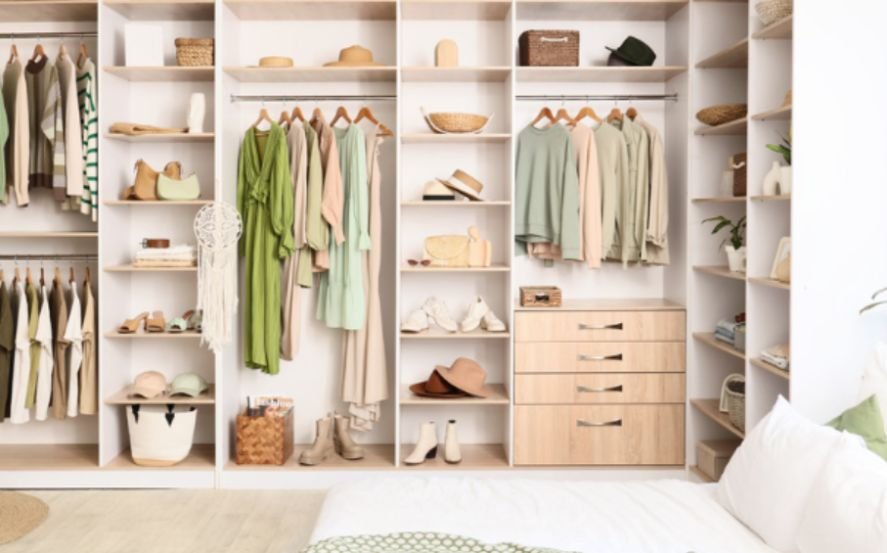
Choose a hook, a short section of closet rod, or a small shelf for upcoming outfits. Prepare a few demanding days first rather than forcing yourself to plan every day.
Check your calendar and local forecast. A rainy Seattle commute needs different footwear from an afternoon outdoors in Atlanta.
Confirm that each piece is clean, comfortable, and ready. Steam wrinkled clothing, locate accessories, and account for laundry before planning to repeat garments.
Keep one backup combination ready for unexpected meetings or weather changes. Treat your plan as a useful starting point with room for adjustments.
Make Seasonal Storage Work Harder
Move genuinely out-of-season clothing into labeled containers when space is limited. Clean and dry garments before storing them, and choose storage appropriate to the fabric.
Keep transitional layers accessible. Fall mornings can feel chilly even when afternoons warm up. Separate sentimental clothing from the active wardrobe when possible. Your daily dressing space should make practical choices easier to find.
For a rental, start with removable dividers, existing shelves, and containers you can reuse elsewhere. Test the layout for a week before spending money. Notice which items remain difficult to find, then change that specific area. A useful system should also make putting clean laundry away feel straightforward afterward.
Frequently Asked Questions
1. Where should I start with how to organize your closet for easier outfit planning?
Start with one frequently used clothing category, remove unsuitable pieces, and arrange what remains visibly. Then assemble and photograph several complete outfits.
2. Is organizing by color or category better?
Begin with categories so similar garments stay together. Add color sorting within each category when it makes choosing coordinated pieces easier for you.
3. How do I maintain an organized closet?
Schedule a brief weekly reset. Return clothing, put laundry away, address repairs, and refresh upcoming outfits before small piles become a larger project.
Make Getting Dressed Easier
I’d rather have a simple closet that helps me dress confidently than a beautiful arrangement I struggle to maintain. Start with one section, build a few dependable looks, and improve the system gradually. When everything has a useful place, choosing tomorrow’s outfit becomes easier.