When I think about building a home, I start with what will sit beneath it. Countertops can change later; correcting a poorly matched foundation can mean disruptive repairs. Understanding how to choose the right foundation for a new home starts with your lot, your house plans, and the conditions below ground.
There is no universal winner. A slab, crawl space, basement, or deep foundation can perform well when its design suits the site. Here is how to narrow your options before approving construction.
Start With the Ground Beneath Your Lot
Investigate Soil and Existing Fill
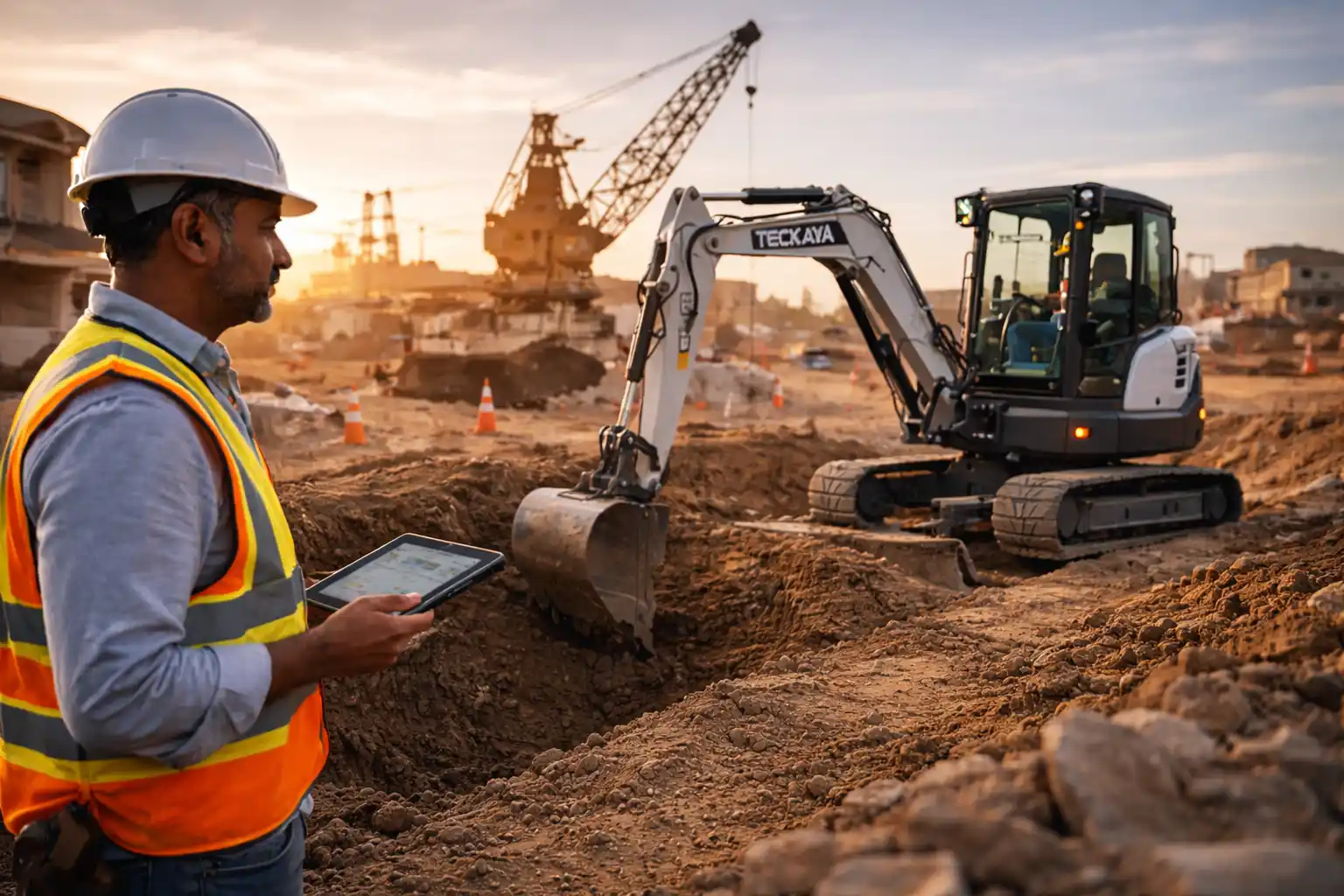
Ask your builder whether a geotechnical investigation is needed and what information supports the proposed design. Soil bearing capacity, settlement potential, expansive clay, and undocumented fill can all affect the recommendation.
A neighboring house is useful context, but it does not establish conditions beneath your footprint. Where testing is warranted, have the geotechnical findings coordinated with the structural design. Avoid choosing footing dimensions from generic online advice.
Check Groundwater, Drainage, and Slope
Ask about seasonal groundwater rather than relying on conditions during one dry visit. A basement that looks practical in summer may require extensive water management during wetter months.
Unexpected groundwater conditions and additional drainage requirements can increase foundation costs beyond the original estimate. Homeowners should account for these possibilities before committing to a design. This is why understanding how to budget for unexpected construction expenses is important when planning a new home and setting aside funds for unforeseen site-related work.
Review the grading plan, roof runoff discharge, and drainage outlet. A sloping lot may accommodate a walkout basement, while shallow bedrock can increase excavation costs. Include erosion, slope stability, and equipment access in the discussion.
Compare the Main Foundation Options
Slab-on-Grade Foundations
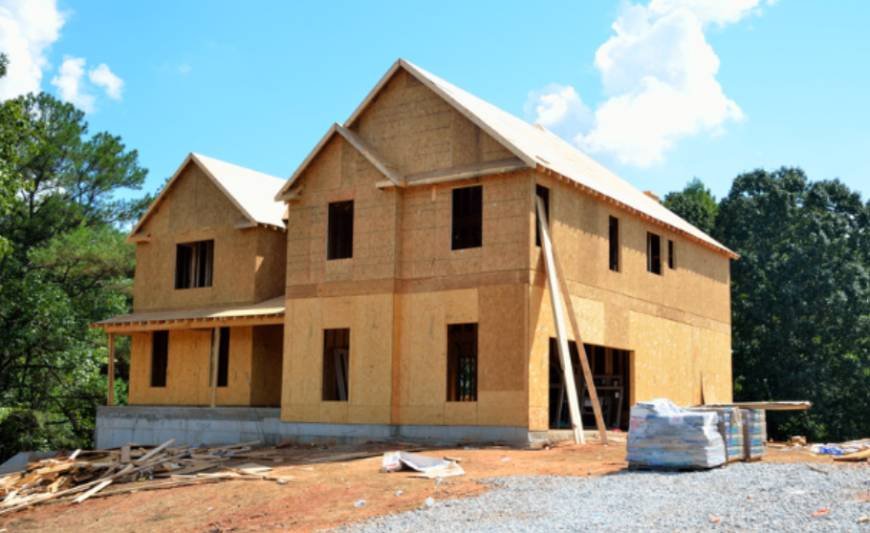
A slab-on-grade system supports the ground-level floor without a basement or crawl space. It can reduce excavation and construction complexity on suitable sites.
The tradeoff is limited access to plumbing beneath the floor. Coordinate drain locations, utility penetrations, insulation, moisture protection, and possible future remodeling before the pour. Expansive soils require a specifically appropriate design.
Crawl Space Foundations
A crawl space raises the floor and provides access to utilities. It can suit certain sloping lots without the excavation required for a full basement.
Its performance depends on moisture control, insulation, pest protection, and access. Ask whether the design uses a vented or sealed, conditioned approach and why it suits your climate. Do not treat an unfinished crawl space as automatically dry storage.
Basement Foundations
Basements provide room for mechanical equipment, storage, or future living space. In colder regions, deeper excavation already needed for conventional frost protection may make a basement worth evaluating.
However, groundwater, rock excavation, drainage, and waterproofing can change the economics. If finishing is planned, address ceiling height, insulation, emergency escape requirements, and plumbing early.
Pier and Pile Foundations
Piers or piles may be appropriate where loads must reach deeper supporting material or the house needs elevation. These systems deserve consideration on some coastal, weak-soil, or challenging sites.
They are not interchangeable solutions. Their suitability depends on engineering, lateral forces, installation conditions, and erosion or scour exposure.
Match the Design to Local Conditions
Learning how to choose the right foundation for a new home means looking beyond regional habits. A familiar local system still needs to suit your specific property.
Minnesota projects need appropriate frost protection, but a basement is not the only possible answer. Properly designed frost-protected shallow foundations can also serve cold climates.
On the Gulf Coast, discuss flood elevations and foundation requirements with the local floodplain administrator. On expansive-clay sites in Texas, ask how the design manages soil movement. In seismic areas, structural connections and lateral resistance also matter.
Confirm the locally adopted building and energy requirements with your design team and building department.
Plan Comfort, Moisture Control, and Maintenance

Include insulation, vapor control, drainage, and waterproofing in the foundation discussion.
Moisture protection also depends on keeping the roof in good condition. Installation problems involving flashing, shingle placement, or roof ventilation can contribute to leaks and water damage. Reviewing common roofing installation mistakes and warning signs can help homeowners understand which roof defects may compromise the building’s protection against moisture.
These components affect comfort and durability even though they disappear from view after construction.
Ask about radon-resistant construction features and testing after occupancy. Include termite protection where relevant; concrete itself does not make the entire house termite-proof.
Discuss everyday use too. A low-entry design may support accessibility goals, while a crawl space can simplify certain utility repairs. Foundation layout should also account for any planned additions or unusually heavy features identified in your house plans.
Distinguish the foundation configuration from its materials. Poured concrete, concrete block, precast systems, insulated concrete forms, and engineered permanent wood systems each have different detailing and installation considerations.
Compare Complete Proposals Before Choosing
Request itemized proposals covering the same scope. Compare excavation, soil preparation, engineering, concrete, reinforcement, drainage, waterproofing, insulation, utility coordination, and inspections.
Ask how rock removal, unsuitable soil, groundwater pumping, and restricted delivery access would be priced. A remote site may require different equipment or material delivery arrangements.
Avoid comparing a basic slab quote with a finished basement price. Evaluate upfront cost alongside usable space, maintenance, energy performance, and future access.
Before approving the work, request a written explanation connecting the selected system to the site conditions.
Before construction is signed off, the completed foundation should also be checked against the approved plans and project specifications. A final quality inspection can help identify incomplete work, visible defects, or issues that need correction before handover. Follow this guide to inspecting construction quality before the final handover to understand what to review before accepting the finished work.
Confirm who verifies bearing conditions, reinforcement, drainage details, and other required work before it is covered.
Frequently Asked Questions
1. What is the first step in how to choose the right foundation for a new home?
Start with a site assessment. Establish soil conditions, groundwater concerns, slope, structural loads, and local requirements before selecting a system with your builder and design professionals.
2. Is a slab always the cheapest foundation?
A basic slab often has a lower initial cost, but difficult soils, excavation, elevation requirements, and specialized engineering can change the comparison. Obtain project-specific proposals.
3. Can a basement work with a high water table?
It may be technically possible, but water pressure, drainage, waterproofing, and ongoing maintenance can make it costly. Ask the design team to compare alternatives before committing.
Build With Confidence From the Ground Up
I would choose a foundation only after understanding why it fits the lot and what the complete installation includes. Spending time on soil information, coordinated plans, and clear proposals makes that decision easier. The goal is a foundation that supports your home, your comfort, and your long-term plans.