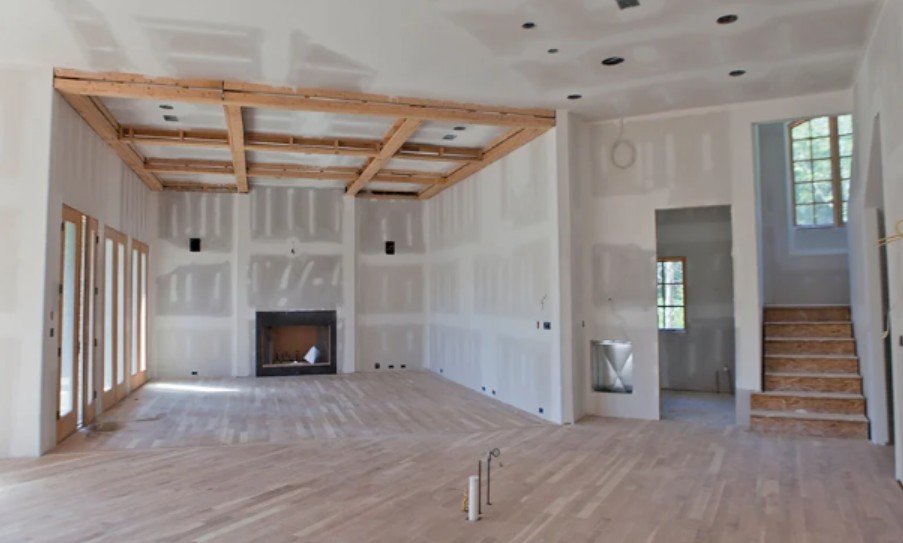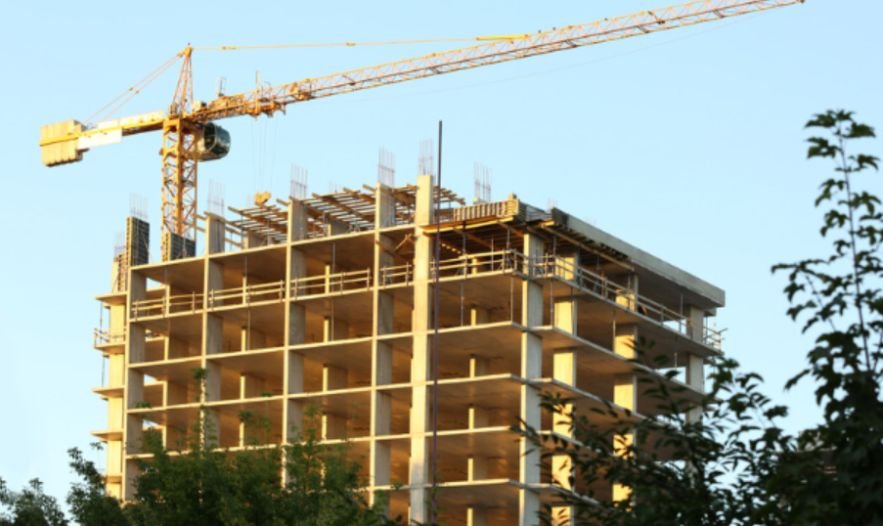
I would rather spend extra time checking a finished home than discover a leaking sink after moving in. Learning how to inspect construction quality before the final handover starts with comparing the completed work against your contract, operating accessible fixtures, and recording anything unfinished.
For American homebuyers, this often involves a builder walkthrough, an independent inspection, and a final check before closing. Each serves a different purpose. A polished kitchen deserves attention, but drainage, safety, and functioning systems deserve priority.
Understand Which Inspection You Need
A municipal final inspection addresses applicable code requirements. An independent home inspection evaluates accessible components and systems within its agreed scope. Your builder walkthrough checks finishes, selections, operation, and incomplete work.
These steps complement one another. Passing a government inspection does not confirm every contractual detail or eliminate hidden defects.
Arrange an independent inspector early enough for findings and repairs to be reviewed before your scheduled handover. Check applicable licensing requirements and choose someone experienced with new construction.
Prepare Before Visiting the Property
Bring your signed specifications, approved selections, change orders, previous inspection reports, and existing punch list.
If the property is part of a major renovation rather than a newly built home, the inspection priorities may differ. Understanding the key considerations in renovation vs. new construction can help homeowners evaluate existing structural conditions, completed upgrades, and whether the finished work meets their project expectations.
Confirm that utilities are operating and that completed areas are accessible.
A flashlight, phone camera, tape measure, and notebook are useful. Use removable painter’s tape only with the builder’s permission. Tape marks should accompany written records because they can disappear during cleaning.
Visit in daylight, allow adequate time, and follow the same route through every room. Bring your agent or another person who can help record observations.
Start Outside With Water Management

Walk around the property before focusing on interior finishes. Look for soil or paving that appears to direct water toward the foundation, blocked drainage routes, disconnected downspouts, and standing water.
Many drainage and foundation problems can be traced back to inadequate groundwork before construction begins. Understanding why proper site preparation matters in construction helps homeowners recognize how soil conditions, grading, compaction, and drainage planning influence the property’s long-term performance.
From the ground, note visibly damaged roofing, incomplete siding, gaps around penetrations, and missing gutter sections. Ask your inspector to assess installation details that cannot be judged safely from your position.
Check exterior doors, weatherstripping, accessible windows, steps, and handrails. Compare landscaping, driveway work, and fencing with the agreed scope.
Photograph cracks with a size reference. Their significance depends on location, pattern, movement, and other evidence; appearance alone cannot establish structural safety.
Inspect Interior Workmanship Room by Room
Walls, Floors, and Ceilings
Look for staining, damaged surfaces, incomplete paint coverage, separated trim, loose flooring, and abrupt transitions. View finishes under normal daylight and installed lighting.
Record where floors feel unstable or noticeably uneven. Ask which written workmanship tolerances apply rather than assuming every variation proves defective construction.
A hollow sound beneath a tile can justify further assessment, but it does not independently prove installation failure. Avoid damaging surfaces while checking them.
Doors, Windows, and Cabinets
Open and close accessible doors, windows, drawers, and cabinets. Check locks, latches, screens, hardware, and whether moving parts bind or scrape.
Compare countertop materials, fixture finishes, appliance models, and storage features with your approved selections. Document substitutions and ask for the written approval supporting them.
The materials used throughout a new home also affect its durability, maintenance needs, and environmental impact. Homeowners can learn more about sustainable building materials for residential construction to understand the benefits of responsible material choices and what to consider when reviewing construction specifications.
Test Plumbing and Mechanical Systems
Run faucets, check hot and cold operation, flush toilets, and observe how fixtures drain. While water runs, look beneath accessible sinks for drips and moisture. Report unstable toilets, persistent pooling, and damp cabinets.
Ask the builder to demonstrate water shutoffs, water-heater controls, thermostat settings, and ventilation equipment. Confirm that bathroom fans and the range hood operate.
Have the inspector or HVAC professional evaluate performance beyond basic operation. Heating and cooling tests must suit outdoor conditions and manufacturer requirements; forcing equipment to run can damage it.
Remember that a dry walkthrough cannot establish the condition of concealed waterproofing or predict every future leak.
Check Electrical Fixtures and Safety Features

Operate accessible switches, lights, and installed appliances. Ask the builder or inspector to demonstrate protective devices and explain the electrical panel labeling.
Confirm smoke and carbon monoxide alarms are installed where required and arrange appropriate testing. Note loose handrails, blocked escape openings, missing covers, and unfinished stair components.
Do not remove electrical panel covers, touch exposed conductors, or climb onto the roof. Suspected electrical faults, gas concerns, and structural problems require qualified evaluation.
Build a Punch List That Leads to Repairs
Knowing how to inspect construction quality before the final handover means turning observations into specific, trackable repair requests.
For each item, record the room, exact location, observed condition, photo reference, responsible contact, and agreed completion date. Separate safety concerns, functional defects, missing contractual work, and cosmetic touch-ups.
Instead of writing “bathroom problem,” record “upstairs hall bathroom: water drips from the sink trap while the faucet runs.”
Agree on the next steps in writing. Ask your agent or attorney how unresolved issues affect your contract before signing acceptance documents or changing payment arrangements.
Verify Repairs and Collect Handover Records
Return to inspect completed repairs. Retest the affected fixture, check surrounding finishes for new damage, and keep unresolved items open.
Collect applicable occupancy approvals, permit records, equipment manuals, warranty terms, service contacts, keys, remotes, and available as-built information.
Ask when warranties begin, how to submit claims, and which maintenance tasks are required. Record tests that could not be completed and arrange follow-up.
Frequently Asked Questions
1. How can I learn how to inspect construction quality before the final handover without technical experience?
Compare the finished home with your specifications, operate accessible fixtures, and document concerns. Hire an independent inspector for technical assessment.
2. Does a new home still need an independent inspection?
New materials can still have installation defects. An independent inspection provides another assessment beyond the builder walkthrough and municipal checks.
3. Can the final walkthrough reveal hidden construction defects?
It may reveal warning signs, but concealed framing, reinforcement, plumbing, and waterproofing cannot be fully verified visually. Earlier inspection records help.
Walk Into Your New Home With Confidence
I would treat handover as a verification appointment. A consistent inspection route, clear photographs, and written repair commitments make the visit useful. Before accepting the finished work, I would recheck repairs, understand outstanding items, and keep the documents needed to maintain the home.