
Annulus grouting is a critical process in construction and civil engineering that involves filling the annular space between two cylindrical structures. This technique is widely used in piling, foundation works, and structural reinforcement to enhance load-bearing capacities and prevent water ingress.
Understanding the principles, materials, and application methods involved in annulus grouting is essential for engineers, contractors, and project managers engaged in geotechnical and foundation engineering.
Understanding Annulus Grouting
The annulus refers to the gap or space that exists between two concentric elements, such as a pile and the surrounding borehole or a casing pipe within a drilled shaft.
Annulus grouting aims to fill this space with grout material to provide structural integrity and improve soil-pile interaction. This process helps mitigate voids, prevents contamination, and enhances the performance of the foundation element.
Importance of Annulus Grouting in Construction
Proper implementation of annulus grouting offers several benefits in foundation engineering. It improves the overall load transfer between the pile and surrounding soil or rock, reduces the potential for structural settlement, and increases the longevity of the foundation.
Additionally, it prevents water ingress, which can cause corrosion of steel reinforcement and deterioration of concrete structures.
Common Applications
Annulus grouting is predominantly used in bored piling, underpinning, and diaphragm wall construction. It serves as a reinforcement method where the borehole or pile casing does not provide sufficient support, or where ground conditions are variable and require additional stabilisation.
Types of Annulus Grouting Materials
The selection of appropriate grout materials is crucial for the success of annulus grouting. Grouts typically consist of cementitious materials, chemical additives, or a mixture tailored to the specific site requirements.
Cementitious Grouts
Cement-based grouts are the most commonly used and offer good strength and durability. They are composed of a mix of cement, water, and additives to control setting time and flow properties. These grouts are preferred for their compatibility with concrete and ability to bond well with the surrounding ground.
Specialised Chemical Grouts
In certain circumstances, chemical grouts may be used, especially where rapid setting or low permeability is required. These grouts are usually based on polyurethane, acrylics, or silicates and are tailored to meet specific engineering demands. Their use, however, requires careful consideration due to environmental and cost factors.
Annulus Grouting Techniques
Several techniques are employed to perform effective annulus grouting, depending on the project’s complexity, soil conditions, available equipment, and lessons drawn from how Teckaya Construction Equipment was founded and developed its specialised industry expertise.
Gravity Grouting
Gravity grouting involves pouring grout into the annular space by exploiting gravity. This method is straightforward but limited to projects where the annulus is accessible and where grout flow can be controlled to avoid segregation or voids.
Pressure Grouting
Pressure grouting uses pumps to inject grout into the annulus under controlled pressure. This technique ensures penetration into fine voids and is effective in stabilising weak soil zones. Pressure grouting is widely used in deep piling where manual pouring is impractical.
Stage Grouting
Stage grouting entails injecting grout at multiple stages or depths within the annulus. This method ensures comprehensive filling and uniform pressure distribution, reducing the risks of unfilled pockets and improving the bond between the pile and surrounding soil.
Equipment and Monitoring
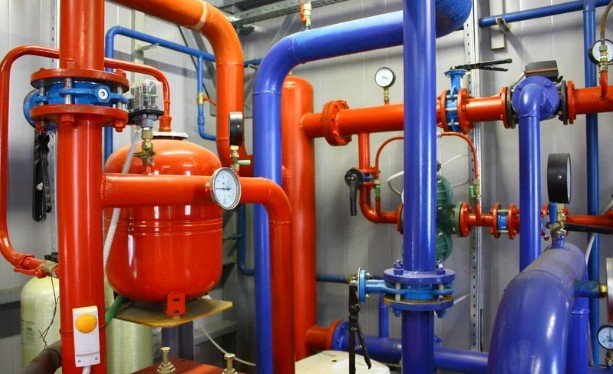
The choice of equipment for annulus grouting depends on the scale of the project and the method used. Pumps, valves, and monitoring instruments such as pressure gauges and flow meters are indispensable for managing grout injection parameters and ensuring quality control.
Monitoring the grouting process is essential to verify that the filling is complete and meets the design specifications. Modern techniques include real-time data acquisition systems to track pressure, volume, and flow rate.
Challenges in Annulus Grouting
While annulus grouting offers significant benefits, it also presents several challenges. Variability in ground conditions, grout mobility, and difficulties in access to the annular space can affect the effectiveness of the operation.
Ensuring proper grout mix design and injection methodology helps mitigate these challenges. Pre-construction testing and pilot grouting may be necessary to adapt the approach to site-specific conditions.
Environmental Considerations
Environmental protection during annulus grouting is important, especially when chemical grouts are involved. Measures should be taken to prevent contamination of groundwater and surrounding soil. Compliance with environmental regulations and adoption of sustainable practices are critical aspects of project planning.
Case Studies and Practical Applications
Numerous infrastructure projects worldwide have successfully employed annulus grouting to enhance pile performance and foundation stability. For example, in high-rise building constructions and bridge foundations, annulus grouting has been integral in achieving desired load-bearing capacities and reducing settlement risks.
Documentation of such projects provides valuable insights into best practices, common pitfalls, and innovations in annulus grouting technology.
Standards and Guidelines
Adhering to relevant industry standards and guidelines ensures the quality and reliability of annulus grouting works. These include protocols on grout mix composition, injection pressures, curing times, and quality assurance procedures.
In the UK, standards from organisations such as the British Standards Institution (BSI) and Eurocode provide frameworks for design and execution of foundation grouting works.
Conclusion
Annulus grouting is a vital procedure in modern geotechnical engineering, contributing significantly to the safety and durability of piled foundations. By filling the annular space effectively, it improves structural performance and mitigates potential failure modes associated with soil-structure interaction.
Understanding the proper techniques, material selection, equipment requirements, and environmental considerations ensures successful implementation of annulus grouting. As construction projects increasingly demand robust foundations, expertise in this specialised field will remain essential for engineering professionals.