when I picture building a home, I think beyond beautiful countertops and an inviting porch. I want materials that perform reliably, support comfortable rooms, and avoid unnecessary waste.
That’s why I approach sustainable building materials for residential construction as a practical buying decision. For American homeowners, the smartest choice depends on climate, budget, local suppliers, and installation quality. A promising product deserves attention, but its real value comes from how well it works within the entire house.
What Makes a Building Material Sustainable?
Sustainability involves more than recycled packaging or a natural appearance. Consider the resources needed to manufacture a material, transportation distances, expected lifespan, maintenance, and eventual disposal.
These principles also extend beyond home construction into everyday decisions, and exploring sustainable lifestyle habits for everyday life can offer more ways to reduce waste and make environmentally responsible choices.
Embodied carbon describes emissions associated with producing materials. Operational energy is the energy your home consumes during occupancy. Both matter: a lower-impact wall product still needs an effective insulation and moisture-management strategy.
Start with these questions:
- Does it meet the project’s structural and performance requirements?
- Can its environmental claims be verified?
- Is it available locally?
- Will experienced contractors install it correctly?
- Can it be repaired, reused, or recycled?
Structural and Foundation Materials Worth Considering

Responsibly Sourced Wood
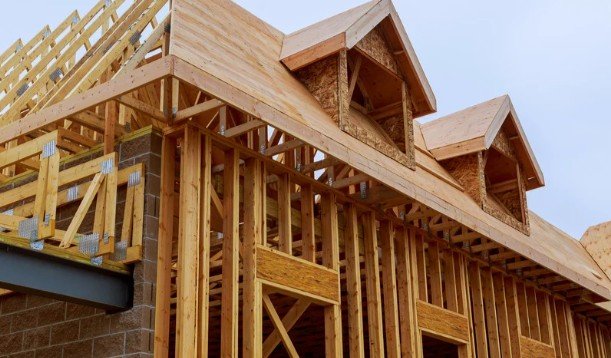
Wood remains a familiar framing choice for American houses. Responsibly sourced lumber offers an established construction pathway without requiring an entirely unfamiliar building system.
Ask suppliers for Forest Stewardship Council certification and confirm that purchased products match the documentation. Certification addresses sourcing; it does not replace structural grading.
Efficient framing layouts and accurate ordering also reduce material demand and construction waste.
Reclaimed Lumber
Salvaged wood can bring character to flooring, exposed beams, and interior trim while extending an existing material’s useful life.
However, reclaimed does not automatically mean construction-ready. Check moisture, hidden fasteners, insect damage, and previous coatings. Structural applications require appropriate evaluation.
Compare the installed price, including cleaning, milling, grading, and finishing. These steps can outweigh an attractive initial purchase price.
Lower-Carbon Concrete
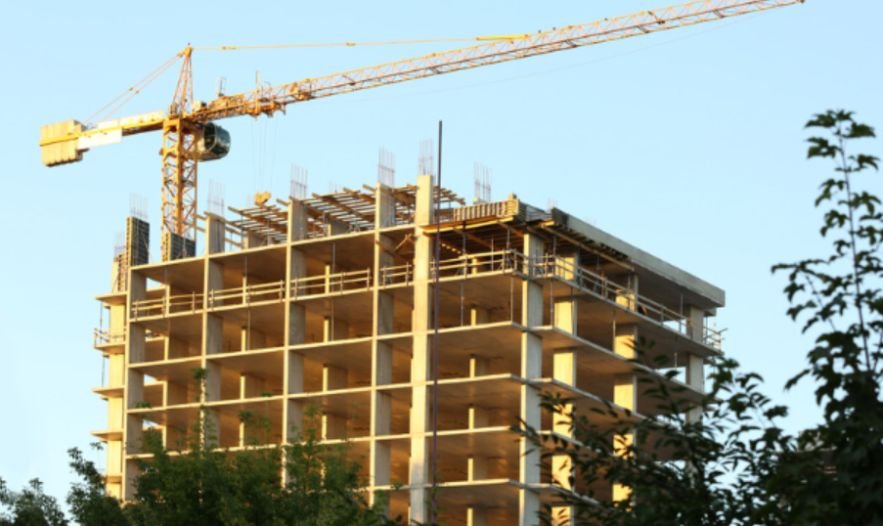
Concrete foundations are common across American residential construction. Rather than assuming all concrete has the same footprint, ask local ready-mix suppliers about lower-carbon mixes.
Compare environmental product declarations for mixes meeting equivalent strength and exposure requirements. Include curing schedules and weather conditions in the discussion.
Your engineer and concrete contractor should approve the mix.
Choosing suitable foundation materials is only one part of protecting a home’s structure; understanding how to improve drainage around a building foundation can also help prevent moisture-related damage and premature repairs.
For projects involving specialized foundation work, understanding annulus grouting techniques can also help explain how grout fills surrounding gaps and supports structural stability.
A carbon reduction offers little practical value if unsuitable specifications cause delays or premature repairs.
Recycled-Content Steel
Steel may suit engineered beams, connectors, roofing, and certain framing applications. Recycled content is useful information, but manufacturing emissions and transportation also matter.
For steel framing, request details that address thermal bridging. Material strength alone does not determine whole-wall energy performance.
Insulation and Wall Systems That Improve Comfort

When comparing sustainable building materials for residential construction, evaluate complete assemblies rather than isolated products. Insulation, air sealing, drainage, and installation must work together.
Cellulose and Mineral Wool
Cellulose commonly uses recycled paper fiber and can suit attics or wall cavities. Mineral wool is available in products designed for different locations within the building envelope.
Compare specified R-values, required thickness, installation methods, and product documentation. Neither material compensates for missing air sealing or unresolved water entry.
In Minnesota, winter heat loss deserves attention. Along the Gulf Coast, humidity and moisture control strongly influence assembly design.
Hemp, Straw, and Earth-Based Options
Hemp-lime infill, straw-bale walls, and rammed earth can offer alternatives for suitable projects. Their environmental performance depends on ingredients, transport, detailing, and service life.
Separate insulation from thermal mass: a heavy earth wall does not automatically provide adequate insulation.
Before committing, confirm local approval requirements, experienced installers, engineering needs, and insurance availability. Keep emerging products separate from readily available options when planning your schedule.
Sustainable Choices for Finishes and Exteriors
Cork, Bamboo, and Reclaimed Flooring
Cork and bamboo deserve consideration alongside reclaimed wood, but rapid renewability is only one factor. Check adhesives, finishes, emissions testing, moisture tolerance, and warranty conditions.
Choose flooring for the room’s actual conditions. A product that requires early replacement can undermine its environmental advantages.
Lower-Emitting Paints and Interior Products
Review emissions documentation for paints, adhesives, cabinetry, and composite wood. Low-VOC labeling provides useful information, but it does not mean a product emits nothing.
Coordinate material selection with ventilation and construction sequencing to support indoor air quality.
Durable Roofing and Siding
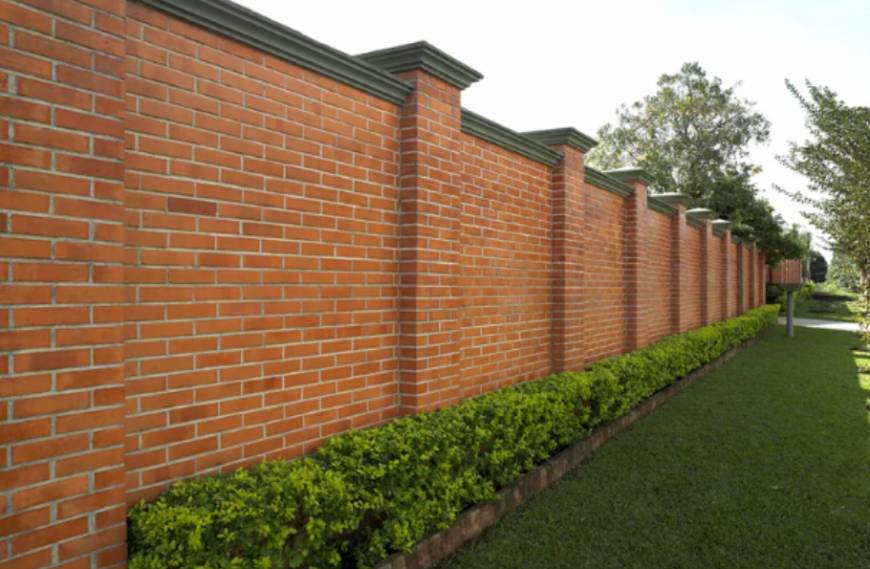
Evaluate metal roofing, reclaimed brick, wood siding, and other exterior products by climate suitability and expected maintenance.
Recycled-content decking and recycled-glass surfaces also warrant product-specific comparisons. Neither recycled content nor a premium price guarantees lower lifecycle impact.
Solar roofing generates electricity, while vegetated roofs manage planted roof assemblies; evaluate these systems separately from basic material substitutions.
Compare Costs Before Ordering
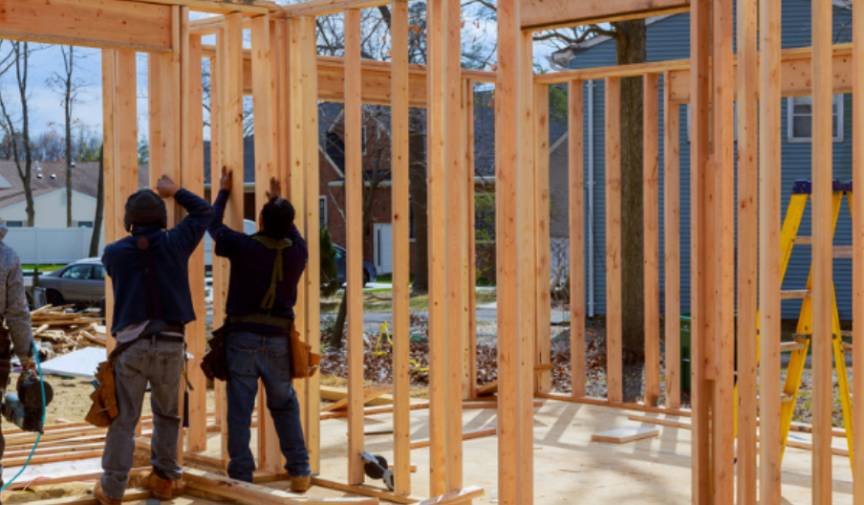
Request comparable local quotes showing material quantities, delivery, labor, waste allowances, finishing, and maintenance. Use dollars per square foot for comparable installed assemblies, rather than comparing unrelated package prices.
Record quote dates and location. National averages rarely capture local labor availability, freight, or specialist installation.
Prioritize changes your team can execute reliably. Efficient layouts, reduced waste, and familiar lower-impact products may deliver better value than complicated substitutions.
Verify Claims and Build Your Shortlist
Ask for environmental product declarations, sourcing certificates, emissions testing, and relevant performance reports. An environmental declaration discloses impacts; its existence alone does not prove superior performance.
Compare equivalent functions and declared units. Then ask your builder about lead times, substitutions, repair options, warranties, and documentation.
Frequently Asked Questions
1. How do I choose sustainable building materials for residential construction?
Start with code requirements, climate, budget, and local availability. Compare documented environmental impacts alongside durability and installation needs.
2. Are sustainable materials always more expensive?
No. Obtain installed quotes; reclaimed products and specialist systems can carry additional preparation or labor costs.
3. Should locally sourced materials always come first?
Consider them, but compare manufacturing impacts, performance, and lifespan alongside transportation distance.
My Take on Building Smarter
I would choose documented performance, durable assemblies, and capable installers before chasing impressive labels. A thoughtful shortlist makes a greener home achievable.
For me, the best approach starts with asking better questions before ordering materials. Where did the product come from? How will it handle the local climate? What maintenance will it need? Those answers matter more than a green marketing claim.
I would also leave room in the budget for proper installation. Carefully chosen insulation, lumber, or roofing delivers its value when the details work together. My goal would be a comfortable, dependable home that uses resources thoughtfully and serves its occupants for years.