
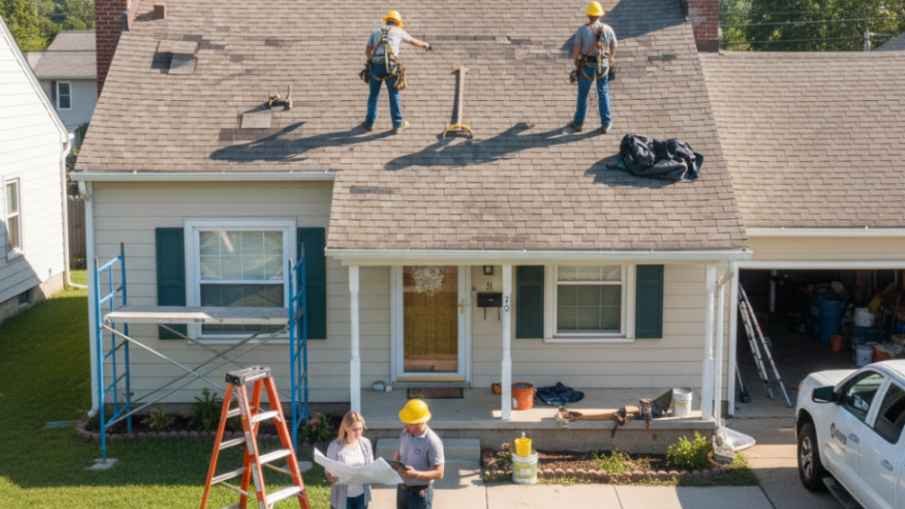
Owning a home comes with responsibility, and one of the biggest challenges homeowners face is paying for necessary repairs. From fixing a leaking roof to upgrading insulation or making a home accessible for elderly family members, costs can rise quickly.
This is why so many people search for what are the top home improvement grants. They are looking for real financial support that does not add long-term debt. Home improvement grants are designed to help homeowners maintain safe, livable, and energy-efficient homes without the burden of repayment.
In this guide, you will learn how these grants work, which programs are considered the most reliable in the United States, who qualifies, and how to improve your chances of approval.
By the end, you will have a clear understanding of where to look and how to move forward with confidence.
Key takeaways :
- Home improvement grants offer financial aid for essential repairs with no repayment if rules are followed.
- Designed for low-income households, seniors, disabled individuals, and rural homeowners.
- Focus on health, safety, energy efficiency, and structural repairs, not cosmetic upgrades.
- Funded by federal, state, local agencies, and nonprofits, each with unique eligibility criteria.
- Availability and amounts vary by location; check local housing authorities.
- Proper documentation and early applications boost approval chances.
What Are Home Improvement Grants and How Do They Work?
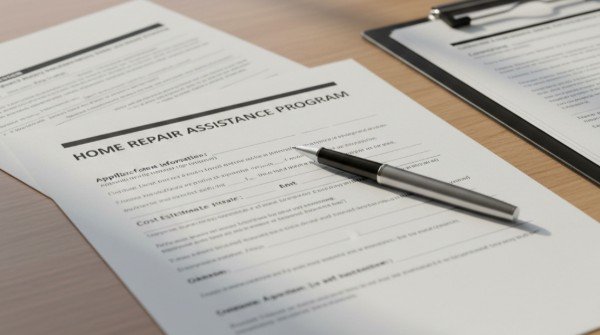
Home improvement grants are funding programs that provide financial assistance for home repairs and upgrades. Unlike loans, grants do not require repayment as long as the recipient follows the program’s guidelines.
These programs are usually aimed at helping low-income households, seniors, people with disabilities, and homeowners living in underserved or rural areas.
Most home improvement grants focus on essential repairs rather than cosmetic changes. Covered projects often include fixing structural issues, improving electrical or plumbing systems, enhancing energy efficiency, and addressing health or safety risks.
Funding typically comes from federal agencies, state governments, local housing authorities, or nonprofit organizations. Each program has its own eligibility rules, application process, and list of approved uses.In many cases, home improvement grants are distributed through local agencies rather than directly to homeowners.
This means applicants may need to work with approved contractors, attend inspections, or meet local compliance requirements before funds are released. While the process can take time, these safeguards help ensure the money is used correctly and that repairs meet safety and quality standards.
What Are the Top Home Improvement Grants in the United States?
When homeowners ask what are the top home improvement grants, they usually want programs that are well-established, widely available, and backed by reliable funding. Below are some of the most recognized options.
USDA Single Family Housing Repair Grants
This program supports low-income homeowners living in rural areas. It is especially focused on seniors aged 62 and older who need to make critical health and safety repairs.
Grants can be used for projects such as roof repairs, plumbing fixes, and removal of safety hazards. Programs like these are administered under federal rural housing initiatives, which are explained in detail by U.S. Department of Agriculture Rural Development.
These initiatives focus on preserving safe housing conditions while supporting aging homeowners who wish to remain in their homes.
HUD Community Development Block Grants
Community Development Block Grants are provided to states and local governments, which then distribute funds through local housing programs. These grants often help low-income households, seniors, and people with disabilities.
Eligible repairs may include structural improvements, accessibility modifications, and neighborhood revitalization efforts. Availability and application rules vary depending on your location.
Weatherization Assistance Program
The Weatherization Assistance Program helps low-income households reduce energy costs and improve home comfort.
Energy-focused housing assistance programs are supported by nationwide policy frameworks outlined by the U.S. Department of Energy. These programs emphasize sustainability, reduced energy burden, and long-term housing affordability .
State and Local Home Improvement Grant Programs
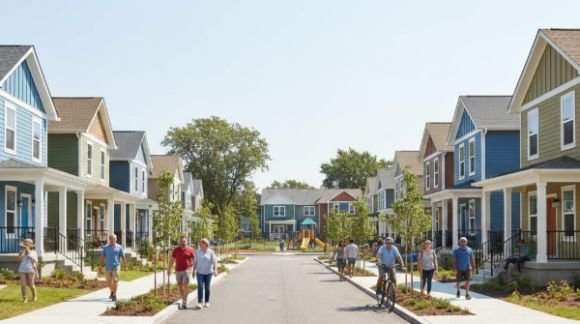
In addition to federal programs, many states and cities offer their own home improvement grants. These programs are often tailored to local needs, making them less competitive than national options. State and local grants may focus on emergency repairs, lead paint removal, accessibility upgrades, or disaster recovery.
Local housing authorities and municipal housing departments are the best sources of information for these programs. Because eligibility and funding levels differ widely, checking local resources can uncover opportunities that are not widely advertised.
Nonprofit and Charitable Home Repair Grants
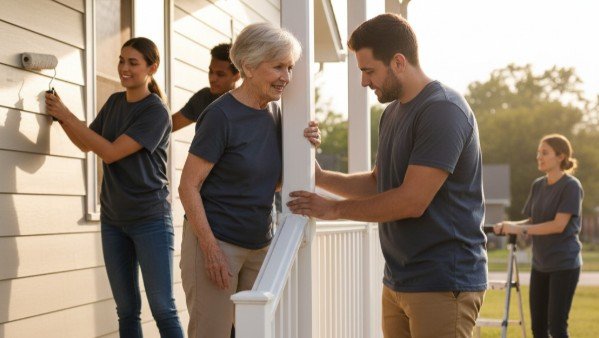
Nonprofit organizations play an important role in helping homeowners who may not qualify for government programs. Many charities focus on specific groups such as seniors, veterans, people with disabilities, or families with young children.
Several nonprofit-led housing initiatives align with standards promoted by Habitat for Humanity, which emphasizes safe, decent, and affordable housing through community-driven repair and rehabilitation programs.
While funding amounts may vary, nonprofit assistance can be crucial for addressing urgent repairs that directly affect health and safety.
Who Qualifies for Home Improvement Grants?
Eligibility for home improvement grants varies by program, but most consider a similar set of factors. These typically include household income compared to local or federal limits, age or disability status, location of the property, and the type of repairs needed.
Most programs require the applicant to own and occupy the home as their primary residence. Repairs must usually address safety, health, or structural concerns rather than aesthetic improvements.
Understanding eligibility rules before applying can save time and reduce frustration.
Common Mistakes to Avoid When Applying
Many homeowners miss out on grants due to simple mistakes. One common issue is applying for programs that do not match income level or geographic location. Another is submitting incomplete applications or missing required documents.
Applicants also sometimes misunderstand what types of repairs are eligible. Carefully reviewing program guidelines and asking questions when unsure can prevent unnecessary rejections. Applying as early as possible is also important, since many programs operate on limited budgets.
Frequently Asked Questions
1.What are the top home improvement grants for low-income homeowners?
Some of the most well-known options include USDA repair grants, HUD-funded local programs, and the Weatherization Assistance Program.
2.Do home improvement grants need to be repaid?
No, grants do not require repayment as long as program rules are followed.
3.Can renters apply for home improvement grants?
Most grants are designed for homeowners, but some programs allow landlords to apply for repairs that benefit low-income tenants.
4.Are home improvement grants taxable?
In most cases, home improvement grants are not considered taxable income, but it is wise to consult a tax professional.
5.How long does it take to get approved?
Approval timelines vary by program and can range from a few weeks to several months.
Choosing the Right Home Improvement Grant
Understanding what are the top home improvement grants can make a real difference for homeowners facing costly repairs. These programs exist to improve safety, affordability, and quality of life, particularly for those with limited financial resources.
By focusing on reputable federal, state, and nonprofit grant programs and preparing your application carefully, you can greatly improve your chances of receiving assistance. Take the time to research options in your area, gather documentation, and apply early.
The right home improvement grant can turn a stressful repair project into a manageable and affordable solution.