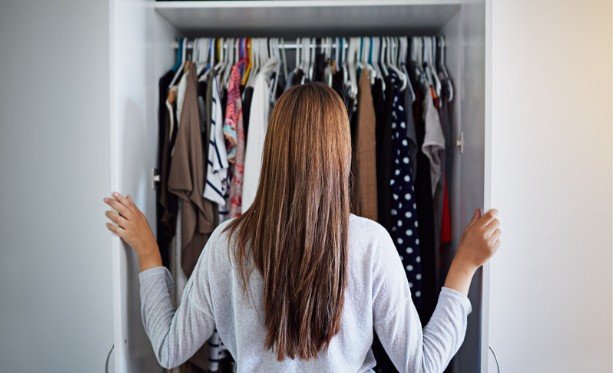
I know how frustrating it feels to look at a packed closet and still struggle to get dressed. Buying another sweater can seem like the answer, but it often adds another piece without solving the problem. When I consider common wardrobe mistakes and how to fix them, I start with fit, outfit combinations, and everyday needs.
A useful wardrobe supports your actual schedule, feels comfortable, and gives you reliable options. Before replacing anything, try these practical adjustments to make the clothes you own easier to wear.
Start With Fit and Outfit Details

1. Trusting the Size Label Instead of the Fit
A familiar size does not guarantee a comfortable fit across different brands. Look for buttons that pull, waistbands that dig in, or seams that twist as you move.
Try sitting, walking, and raising your arms before keeping something. Intentional oversized clothing can fit well; discomfort and restricted movement are more useful warning signs than looseness alone. For favorites with small problems, ask a tailor whether adjusting the waist or sleeves is realistic.
2. Ignoring Hems and Shoe Pairings
Pants may work with boots but drag when you switch to sneakers. That mismatch can make getting dressed harder even when the rest of your outfit works.
Try each pair with the shoes you usually wear. Check that hems clear the ground and allow comfortable walking. Bring those shoes to an alterations appointment. Avoid assuming every trouser style needs the same length or that every new purchase requires hemming.
3. Overlooking Layers and Undergarments
A slipping strap, bunching undershirt, or uncomfortable waistband can leave you adjusting your clothes all day. These are practical issues when they interfere with your comfort or intended look.
Check the complete outfit in natural light and while moving. Choose layers that suit the neckline, fabric, and coverage you prefer. Skin-tone underwear can reduce contrast under some light fabrics, but shapewear is optional. Nothing underneath should feel painfully tight or restrict breathing.
4. Missing the Balance You Want
An outfit can fit comfortably yet feel different from what you pictured. The relationship between garment lengths, volume, and texture may explain why.
Change one element at a time. Try a shorter jacket over a long shirt, a partial tuck with wide-leg jeans, or a textured cardigan over a smooth tee. Photograph the options. These are experiments rather than rules: relaxed outfits and bold combinations can work beautifully when they match your preferences.
Shop for Outfits and Everyday Life

5. Buying Pieces That Need More Purchases
A sale blouse is less useful if wearing it requires new pants, shoes, and a special bra. Before checkout, picture specific combinations using things you already own.
For everyday purchases, aim to identify three realistic outfits.
Making thoughtful clothing purchases also means knowing what to look for when shopping secondhand, and learning how to find quality clothing at thrift stores can help you discover durable wardrobe essentials at affordable prices.
Occasion clothing can be an exception. If combinations remain difficult, write down the missing connection first. A versatile layering top may solve several outfit problems more effectively than another statement piece.
To make individual purchases work together more effectively, learning how to build a capsule wardrobe can help you create more outfit combinations from a carefully selected collection of versatile essentials.
6. Shopping for an Imaginary Schedule
A closet filled with party clothes will feel limited if most days involve commuting, office meetings, or school pickup. The issue is how your clothing matches your routine.
Review your last two weeks and identify what you actually wore. Prioritize gaps in those categories. Consider regional weather, walking distances, indoor air conditioning, and workplace dress expectations. A washable cardigan might serve you more often than another delicate event outfit.
Considering local weather when choosing wardrobe essentials is equally important, and exploring breathable outfit ideas for hot and humid weather can help you select comfortable fabrics and practical combinations for warmer conditions.
7. Copying Trends Without Checking Your Preferences
A look you admire online may feel uncomfortable during your own day. That does not mean the trend is wrong or your body needs changing.
Identify what appeals to you: the color, texture, silhouette, or accessory. Try that element with familiar clothes before buying a complete look. Choose basics according to your habits, too. Neutral colors are useful for some people, while coordinated brights work better for others.
Keep Your Wardrobe Ready to Wear

8. Neglecting Small Repairs and Garment Care
A missing button or stained collar can remove an otherwise useful item from rotation. Set aside a small repair basket and schedule time to deal with it.
Follow care labels, treat stains appropriately, and check whether ironing or steaming suits the fabric. Clean shoes according to their material. Assess pilling, loose threads, and worn soles before deciding something needs replacing. Repair costs and garment condition should guide the choice.
9. Keeping Everything Without Asking Why
Unworn clothes can hide useful pieces and encourage duplicate shopping. However, automatically discarding everything untouched for a year can overlook seasonal needs and special occasions.
Work through one category at a time. Ask whether each item needs an alteration, a repair, a styling partner, or a different storage location. Separate sentimental pieces from daily clothing. Keep frequently used items visible and save photos of successful outfits for busy mornings.
Try preparing tomorrow’s outfit tonight, including shoes and outerwear. This quick rehearsal reveals missing pieces while you still have time to adjust.
Frequently Asked Questions
1. What are common wardrobe mistakes and how to fix them on a budget?
Poor fit, disconnected purchases, and neglected repairs often make dressing harder. Start by testing existing outfits, fixing small problems, and listing specific gaps before spending.
2. How can I make a basic outfit feel more polished?
Check garment condition, adjust layers, and choose shoes suited to your plans. Add an accessory or contrasting texture if it supports the look you want.
3. I replace clothes that no longer feel right?
First identify the problem. Some pieces benefit from repairs or alterations; others no longer suit your needs. Compare the likely result with the cost involved.
A Closet That Makes Mornings Easier
I would start with one frustrating outfit and change one thing before shopping. For me, a useful wardrobe offers comfort, flexibility, and combinations I can repeat confidently. Small improvements build a closet that supports daily life without making every morning another shopping problem.