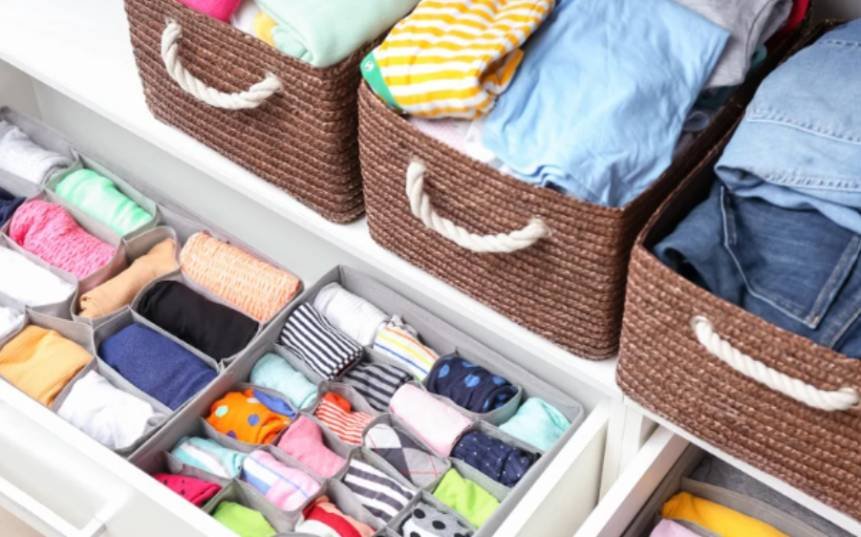
I used to think my everyday outfits needed more clothes. Then I started wearing the same white T-shirt and jeans with different earrings, scarves, and bags. Those small changes made my wardrobe feel bigger without another shopping haul.
Learning how to accessorize a simple outfit on a budget starts with noticing what you already own. A scarf tucked inside a drawer or a belt you rarely wear might be exactly what your outfit needs. Here are nine practical ways to refresh familiar clothes while keeping spending under control.
1. Shop Your Accessories Before Shopping Stores
Gather your jewelry, scarves, belts, bags, and hair accessories in one place. Separate pieces you enjoy wearing from anything uncomfortable, damaged, or forgotten.
Next, build an outfit you wear often and test three combinations. Try hoops first, then a pendant, then a patterned scarf. Take mirror photos to compare the results.
This simple exercise reveals useful pieces and prevents duplicate purchases. Keep your favorite combinations on your phone for mornings when getting dressed feels difficult.
2. Pick One Accessory to Lead
Choose the detail you want people to notice first. That might be colorful earrings, an interesting belt buckle, or a red crossbody bag.
Let the remaining accessories support that choice. With oversized earrings, try a bare neckline and a simple bracelet. With a patterned scarf, keep nearby jewelry quieter.
This is a starting point, not a strict limit. If you love layered accessories, repeat a color or shape to help the arrangement feel connected.
3. Make Jewelry Work With Your Neckline
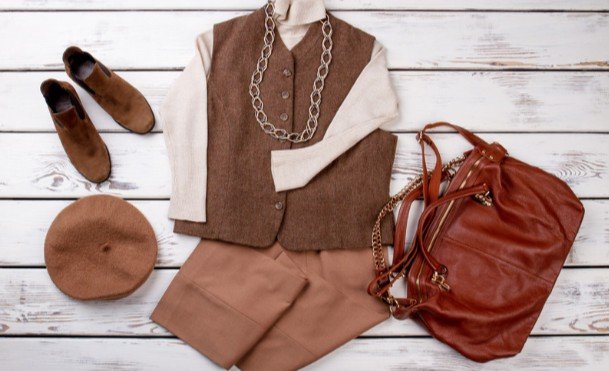
For T-Shirts and Sweaters
A pendant can add interest to a plain crewneck, while small hoops frame your face without catching on clothing. Check where the necklace falls; avoid lengths that repeatedly disappear inside your shirt.
For Button-Downs and Dresses
Try a short necklace inside an open collar or earrings with a higher neckline. Layer chains at different lengths so each remains visible.
Before buying inexpensive jewelry, inspect clasps, rough edges, and material descriptions. Choose pieces your skin tolerates and avoid anything that feels heavy.
4. Give One Scarf Several Jobs
A lightweight scarf can introduce color without requiring matching clothes. Tie it loosely around your neck, wrap it around a ponytail, or knot it onto a bag handle.
With a white shirt and dark jeans, choose a print containing one color you already wear. This makes the addition easier to coordinate.
Check thrift stores, neighborhood clothing swaps, and resale listings before buying new. Look for stains, pulled threads, and care requirements that could make a bargain inconvenient.
5. Use Belts to Adjust the Shape
A belt can make a loose dress feel more defined or add a finishing detail to tucked-in jeans.
Try different placements before assuming you need another size or style. A narrow belt creates a subtle line; a wider version becomes more noticeable.
Comfort matters. Sit down, walk around, and check whether the buckle digs in. When shopping secondhand, inspect the holes and edges for cracking. Buy a belt because it improves outfits you wear, rather than because it happens to be discounted.
6. Refresh Bags and Shoes First
Clean shoes and a tidy bag can make familiar basics feel more considered. Wipe suitable surfaces according to their care instructions, remove unnecessary bag contents, and check loose straps.
Your bag and shoes do not need identical colors. To accessorize a simple outfit on a budget, pair pieces you already own that share a similar mood. A tan bag can work with white sneakers when both suit the outfit’s relaxed feel. For easy ways to transition outfits from work to dinner, swap the sneakers for loafers and add simple earrings while keeping the same bag.
Before replacing a bag, try removing an oversized charm or adding a scarf you own. Small adjustments may deliver the change you wanted.
7. Build Looks Around a Spending Limit
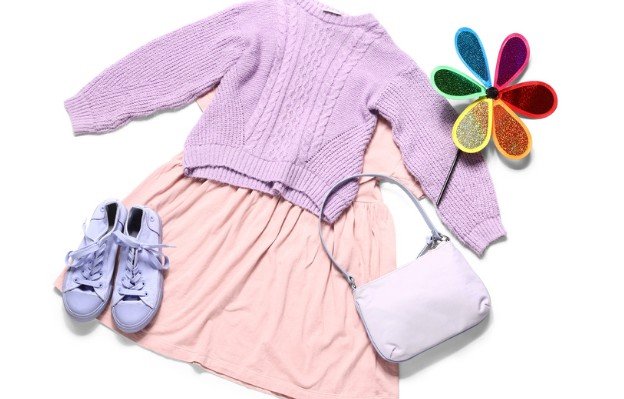
Use these as spending plans, not guaranteed store prices. Shipping, tax, and local availability affect totals.
The $0 Refresh
Wear jeans, a tucked T-shirt, existing hoops, and clean sneakers. Add a scarf to your bag. Roll your sleeves slightly so wrist accessories remain visible.
The $15 Refresh
Keep your clothing and shoes unchanged. Put up to $15 toward one missing detail, such as secondhand earrings or a simple belt. Choose whichever completes several outfits.
The $30 Refresh
Split the budget between two useful pieces only if both fill real gaps. For example, reserve $20 for a secondhand bag and $10 for a hair accessory. Include tax within your limit.
8. Match Accessories to Your Personal Style
Classic dressers might prefer pearl studs, understated buckles, and structured bags. Playful dressers can experiment with colorful clips, patterned socks, or vintage brooches.
For office days, consider noise, comfort, and bag capacity. For weekend errands, choose secure closures and accessories that leave your hands free.
Before checkout, name three outfits the item complements. If you cannot, pause. Something inexpensive becomes poor value when it stays unworn.
9. Finish With a Mirror Check
Step back and check your outfit from the front and side. Notice whether necklaces tangle, earrings catch your collar, or a bag strap hides your favorite detail.
If the outfit feels crowded, remove one piece and compare. If it feels unfinished, try changing placement before adding more.
Frequently Asked Questions
1. What is the easiest way to learn how to accessorize a simple outfit on a budget?
Start with one outfit and accessories you already own. Photograph different combinations, identify your favorite, and buy only when a specific missing piece would improve several looks.
2. Should I buy matching accessory sets?
Matching sets can simplify dressing, but separate pieces offer flexibility. Repeat one color, finish, or shape instead of purchasing an entire coordinated collection.
3. Which accessory should I purchase first?
Choose the item that fills your biggest wardrobe gap. Everyday earrings, a comfortable belt, or a practical bag may be useful, depending on what you own.
Make Your Wardrobe Feel New Again
For me, how to accessorize a simple outfit on a budget comes down to experimentation before spending. I would rather discover three combinations with one scarf than collect pieces I never wear. Start with tomorrow’s outfit, change one detail, and let your preferences guide the rest.