
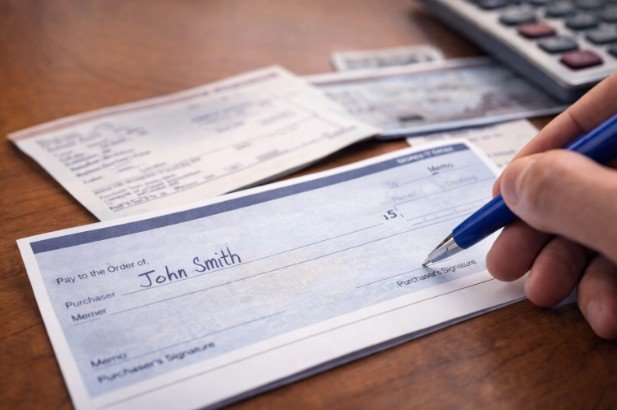
Understanding how to fill out a money order example is essential if you want a secure, widely accepted, and traceable way to make payments. Money orders are commonly used for rent, utilities, government fees, and situations where cash or personal checks are not accepted.
While money orders are simple, filling them out incorrectly can cause delays, rejection, or even loss of funds. This complete guide explains how to fill out a money order example in a clear, practical, and easy-to-follow way.
It covers every field, common mistakes, safety tips, and real-world use cases so you can confidently complete a money order the first time.
Key Takeaways
- Understanding how to fill out a money order helps ensure secure and error-free payments
- Always write the recipient’s full legal name immediately to prevent misuse
- Complete all required fields using blue or black ink only
- Sign only the front of the money order; do not sign the back
- Never alter a money order once written, as mistakes may require cancellation
- Be aware that replacement or cancellation fees may apply if errors occur
- Keep the receipt for tracking, refunds, or resolving issues if the money order is lost or stolen
What Is a Money Order and Why It Is Used?

Before learning how to fill out a money order example, it helps to understand what a money order is. A money order is a prepaid payment instrument purchased for a fixed amount. Because it is prepaid, it cannot bounce like a personal check.
Money orders are often used by people who do not have checking accounts or who want a safer alternative to cash. They are accepted by landlords, utility companies, retailers, and many government agencies in the United States.
Where You Can Get a Money Order
Money orders are available at many convenient locations. These include banks, credit unions, U.S. Post Office locations, grocery stores, convenience stores, and large retail chains. Each issuer may have slightly different layouts, but the required fields are generally the same.
Understanding how to fill out a money order example applies regardless of where you purchase it.
Information You Need Before Filling Out a Money Order

To avoid errors, gather all required information before writing anything on the money order. You will need the full legal name of the recipient, your full name and address, and any account or reference number if the payment is for a bill.
Having this information ready ensures accuracy and prevents the need for corrections, which can invalidate a money order.
How to Fill Out a Money Order Example Correctly
Learning how to fill out a money order example involves completing each section carefully using blue or black ink. Never leave important fields blank.
Writing the Recipient’s Name
The first and most important step in how to fill out a money order example is writing the recipient’s name. On the line labeled “Pay to the Order Of” or “Pay To,” write the full legal name of the person or business receiving the payment. This field should never be left blank. A blank money order can be cashed by anyone if lost or stolen.
Filling Out the Purchaser Information
The purchaser section identifies who bought the money order. This area may be labeled “From,” “Purchaser,” “Sender,” or “Remitter.” Write your full legal name and current mailing address. This information helps the recipient verify the sender and provides a point of contact if there is a problem with the payment.
Adding a Memo or Account Number
Many money orders include a memo or payment-for field. This section is optional but highly recommended when paying bills. In this area, write your account number, invoice number, or a brief description such as rent payment or utility bill. Including this detail helps ensure your payment is applied correctly.
Signing the Money Order
One of the most critical steps in how to fill out a money order example is signing it correctly. Sign your name on the front of the money order on the line labeled “Purchaser’s Signature” or similar. Never sign the back of the money order. The back is reserved for the recipient when they cash or deposit it.
Common Mistakes to Avoid When Filling Out a Money Order
Mistakes can make a money order unusable. Avoid misspellings, incorrect names, or writing in the wrong field. Never use white-out or scratch out information, as altered money orders are often rejected.
Always fill out the recipient’s name immediately after purchase to reduce fraud risk.
How Money Orders Are Tracked and Verified
Money orders include unique serial numbers that allow tracking. Using the receipt, you can confirm whether the money order has been cashed or is still outstanding.
This traceability is one reason money orders are preferred over cash for important payments.
When a Money Order Is a Good Payment Option
Money orders are ideal for rent payments, utility bills, government charges and fees, and transactions requiring guaranteed funds. They are also useful for mailing payments safely since only the named recipient can cash them.
Understanding how to fill out a money order example ensures your payment reaches the right party securely.
Limitations of Money Orders
Money orders usually have a maximum value limit, often around one thousand dollars. Large payments may require multiple money orders or alternative methods. Once a money order is cashed, the funds cannot be recovered, so accuracy is critical.
Security Tips for Using Money Orders
Use permanent ink, complete all fields immediately, and store receipts securely. Never share the serial number publicly. These steps reduce the money order fraud and misuse. Knowing how to fill out a money order example properly is a key part of safe financial transactions.
Frequently Asked Questions
1. How to fill out a money order example correctly?
Write the recipient’s full name, your name and address, add a memo if needed, sign the front, and keep the receipt.
2. Can I leave the payee line blank on a money order?
No, leaving it blank can allow anyone to cash it if lost or stolen.
3. Should I sign the back of a money order?
No, only the recipient signs the back when cashing or depositing it.
4. What happens if I make a mistake on a money order?
You usually need to cancel or replace it through the issuer, often for a fee.
5. Why is the receipt important for a money order?
The receipt allows tracking, cancellation, or refund if the money order is lost or stolen.
How to Fill Out a Money Order Example
Understanding how to fill out a money order example helps ensure your payment is secure, accurate, and accepted without delays. By carefully completing each section, avoiding common mistakes, and keeping your receipt, you protect your money and simplify the payment process.
Whether you are paying rent, utilities, or official fees, knowing how to fill out a money order example gives you confidence and control over your financial transactions.