
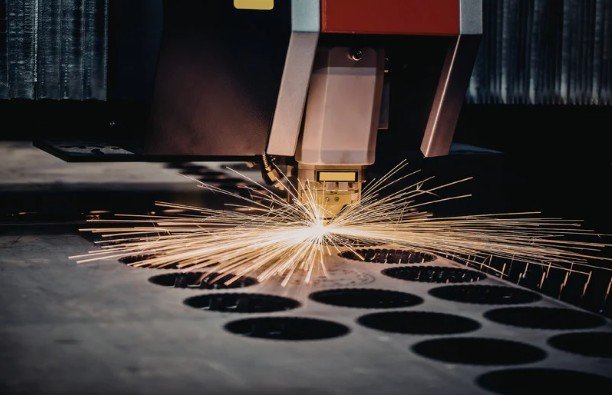
In the realm of material fabrication, technological advancements have been pivotal in propelling industries forward. Among the array of innovative tools that have emerged, the fiber laser machine stands out as a revolutionary force reshaping the way manufacturers approach cutting processes. With its precision, efficiency, and versatility, the fiber laser machine has become a cornerstone technology in numerous sectors.
The Emergence of Fiber Laser Technology
Laser cutting technology has undergone significant evolution since its inception. The development of the fiber laser has marked a significant turning point, offering a level of innovation far exceeding its predecessors. By utilizing a solid-state laser and a optical fiber delivery system, these machines deliver high-powered laser beams with unsurpassed accuracy.
Fiber lasers are known for their robustness and have a wavelength that allows them to work with a wide range of materials. This capability has made them invaluable in industries such as automotive, aerospace, and electronics, where precision cutting is paramount.
Advantages of Fiber Laser Machines in Fabrication
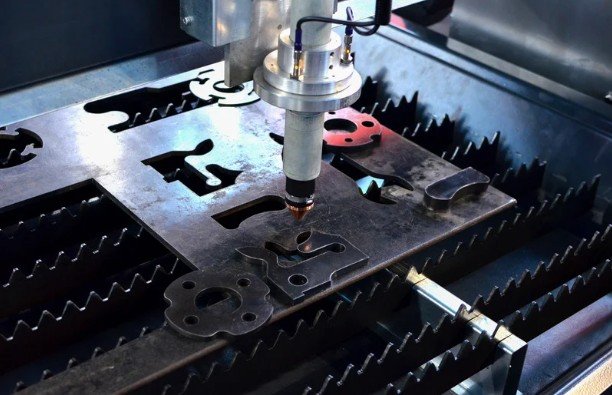
The principal advantages of the fiber laser machine resonate through its operational excellence. These advantages are multifaceted, affecting not just the quality of the work produced but also the efficiency and cost-effectiveness of the manufacturing process.
Unmatched Precision and Quality
One of the most notable advantages of fiber lasers is their ability to make highly precise cuts with clean edges and fine detail. The focused laser beam ensures minimal kerf width, which translates to more intricate designs and better material utilization. The resulting quality is especially important for complex parts and components that are essential in high-tech industries.
Increased Cutting Speed and Efficiency
Speed is another area where a fiber laser machine excels. Its ability to cut through materials rapidly without sacrificing quality is a significant time-saver during production. Increased speed translates into higher throughput, allowing manufacturers to complete orders faster and more efficiently.
Material Versatility
The adaptability of fiber lasers to work with various materials is a major benefit. Capable of cutting everything from metals to plastics and even glass, the realms of possibility for fabrication are significantly expanded. This versatility eliminates the need for multiple cutting systems, reducing equipment costs and space requirements in a workshop.
Low Maintenance and Operational Costs
Fiber laser machines are renowned for their low maintenance needs. The lack of moving parts in the laser’s generation and the use of a fiber optic cable mean there are fewer components that can wear out or require replacement. This reliability also results in lower operational costs over the machine’s lifespan, representing a sound financial investment for businesses.
Transforming Small Businesses and Large Enterprises Alike
The impact of fiber laser technology is not restricted to large-scale operations. Small businesses equally benefit from the precision and efficiency gains, often finding that the investment in a fiber laser machine can lead to the expansion of their services and customer base.
For larger enterprises, fiber lasers are indispensable in maintaining a competitive edge. The speed and quality of production are crucial in a landscape where turnaround time and accuracy are closely linked to customer satisfaction and business reputation. At the same time, innovation is not limited to big corporations – small businesses can use AI to increase sales by streamlining operations, personalizing customer experiences, and improving decision-making.
Environmental Impact and Energy Efficiency
An often-overlooked advantage of fiber laser machines is their positive environmental impact due to enhanced energy efficiency. They require less power to operate compared to other cutting technologies, leading to a reduction in energy consumption. This not only benefits the planet but also contributes to lower energy costs for the operator.
Adapting to Industry 4.0 with Fiber Laser Machines
The movement known as Industry 4.0 – the fourth industrial revolution – emphasizes interconnectivity, automation, machine learning, and real-time data. Fiber laser machines fit neatly into this shift, offering compatibility with automated systems and smart factory environments. Their ability to integrate with advanced software systems allows for more accurate production planning and real-time adjustments during the fabrication process.
The integration capabilities of fiber laser technology also pave the way for innovations in mass customization, where products can be tailored to individual specifications without significant downtime or retooling costs.
Conclusion
The adoption of fiber laser machines in the fabrication sector grants businesses a powerful tool to advance their capabilities. With unmatched precision, speed, and material versatility, the fiber laser machine represents more than a technological upgrade; it signifies the evolution of the entire manufacturing landscape.
As businesses continue to search for methods to improve efficiency and maintain competitiveness, the fiber laser machine emerges as a clear solution, bringing forth a new era of quality and innovation in fabrication technology.
The fiber laser’s ability to synergize with the latest manufacturing trends, while offering substantial operational benefits and a marked decrease in environmental impact, encapsulates the essence of modern fabrication. It’s a testimony to the transformative power of technology and its role in shaping the future of industry production.