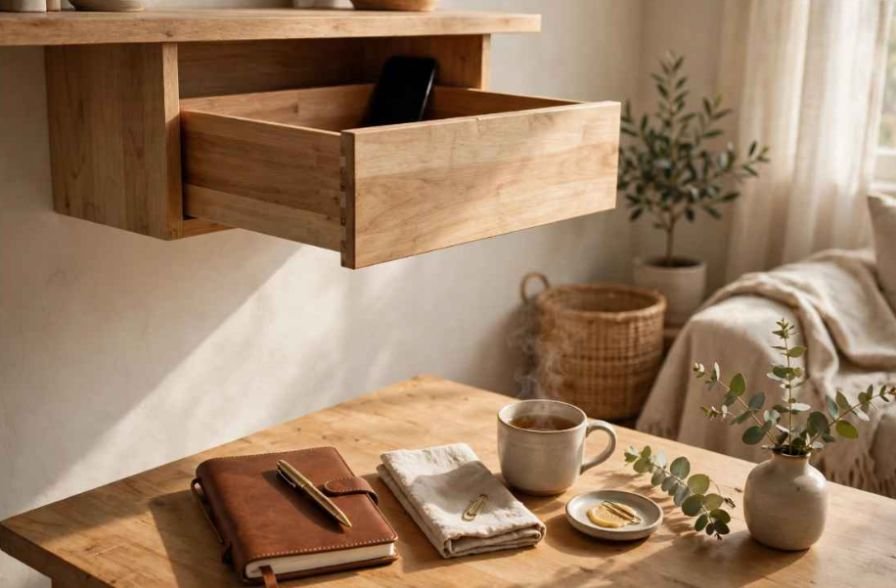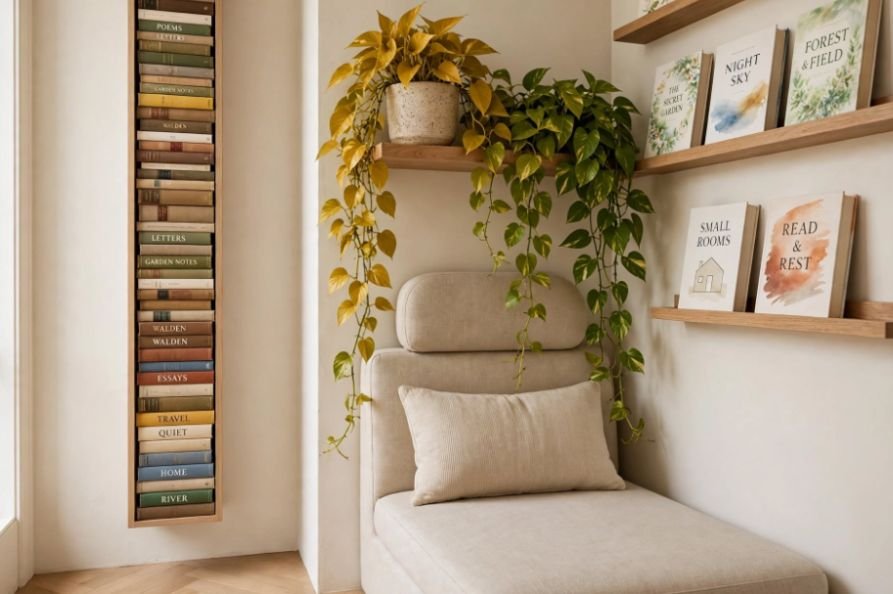
My jaw used to ache by Thursday night from smiling through team catch-ups and dinner obligations. When your social reserve hits zero, even a two-minute phone call feels invasive. Planning targeted solo date ideas to recharge your social battery provides dedicated restorative space without guilt. You stop performing, eliminate sensory demands, and let your nervous system return to a baseline state of rest.
[Social Energy Tax (SET) Calibration]
Residual Energy: Solo Date Modality:
┌──────────────┐ ┌──────────────────────────────┐
│ 0% – 20% │ —-> │ Zero-Stimulation At-Home │
│ (Overloaded) │ │ (Dark room, sensory bath) │
├──────────────┤ ├──────────────────────────────┤
│ 20% – 50% │ —-> │ Ambient Public Spaces │
│ (Depleted) │ │ (Library, botanical park) │
├──────────────┤ ├──────────────────────────────┤
│ 50% – 75% │ —-> │ Tactile Flow States │
│ (Stabilizing)│ │ (Ceramics, solo gallery) │
└──────────────┘ └──────────────────────────────┘
The difference between constructive solitude and lonely isolation comes down to intention. A solo date is an active commitment to your well-being, chosen specifically to match your remaining cognitive resources.
The Science of the Social Hangover: Why Being “On” Depletes You
Research published by the American Psychological Association highlights that intentional solitude regulates high-arousal emotions, effectively reducing systemic stress. Every casual exchange demands emotional regulation, facial masking, active listening, and situational awareness. Clinical psychologists refer to the exhaustion that follows prolonged exposure as social burnout or sensory overload.
Autonomic Down-Regulation vs. Total Isolation
When you experience sensory fatigue, your sympathetic nervous system stays locked in a low-grade fight-or-flight response. Studies indexed by the National Institutes of Health demonstrate that environments requiring directed attention drain neural energy, whereas passive, softly fascinating environments promote attentional restoration. Going on a solo date removes the performance pressure that keeps your stress response elevated. You exist in an environment where no one expects a response.
Low-Stimulation Sanctuary Dates for a Depleted Reserve

When you cannot fathom getting dressed or exchanging pleasantries with a barista, stay home. These dates require near-zero outward exertion.
The Silent Single-Ingredient Kitchen Ritual
I head straight to my kitchen counter when small talk has drained my patience. Cooking an elaborate three-course dinner can feel like a chore, but dedicating an hour to a single recipe brings total clarity.
Preparing a simple meal can also become part of a more intentional weekly food routine. Planning balanced, protein-rich plant-based dishes ahead of time makes it easier to enjoy nourishing meals without spending hours deciding what to cook. Explore high-protein plant-based meal prep for the week for practical meal-planning ideas.
Put on instrumental lo-fi, slice fresh citrus, and experiment with the best mocktail recipes, using rosemary, crushed mint, and sparkling tonic to create refreshing drinks at home.
Focus entirely on the sensory aspects: the bite of peeled ginger, the aroma of bubbling fruit reduction, and the crisp sound of ice hitting glass. This tactile focus grounds overtaxed working memory.
Living Room Fort and Comfort Media Retreat
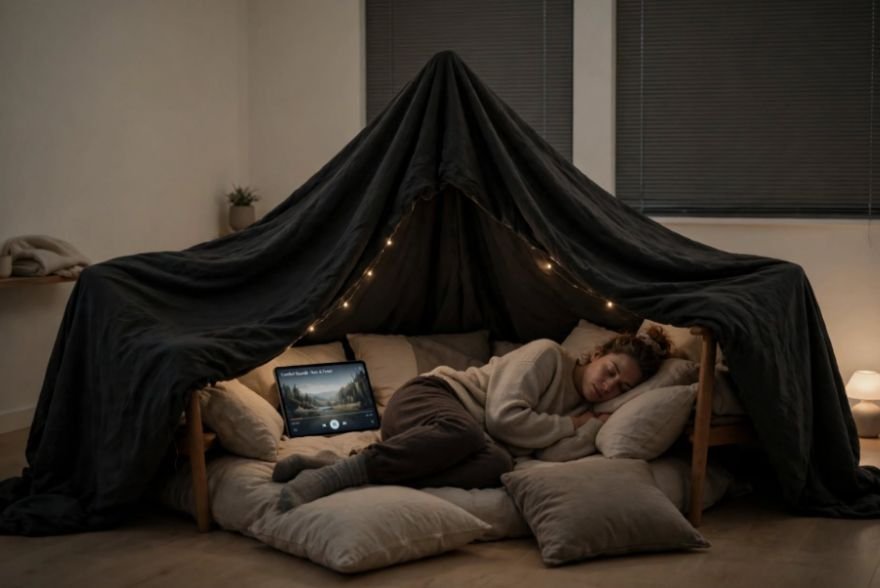
Sensory overload requires reducing auditory and visual inputs. Pull cushions off the couch, hang a dark duvet over two chairs, and shut your window blinds. Give your home space an uncluttered feel beforehand using quick minimalist home organization hacks so visual chaos does not distract your thoughts.
Once your sanctuary is ready, silence your phone completely. Spend three uninterrupted hours rewatching a comfort movie from your childhood. Removing ambient overhead lighting reduces sensory intake and triggers immediate physical relaxation.
Ambient Outings to Combat Social Fatigue in Public
Remaining indoors for days can occasionally cause isolation to morph into rumination. Ambient solo dates allow you to sit around people without being obligated to engage with them.
┌─────────────────────────────────────────────────────────────┐
│ Low-Impact Public Date Blueprint │
├─────────────────┬─────────────────────┬─────────────────────┤
│ Destination │ Anchor Tool │ Audio Environment │
├─────────────────┼─────────────────────┼─────────────────────┤
│ Quiet Library │ Hardcover Novel │ Complete Silence │
│ Botanical Park │ Blank Journal │ Natural Soundscapes │
│ Neighborhood Art│ Exhibition Brochure │ Ambient Binaural │
│ Museum │ │ Beats │
└─────────────────┴─────────────────────┴─────────────────────┘
Parallel Solitude: The Noise-Canceling Library Circuit
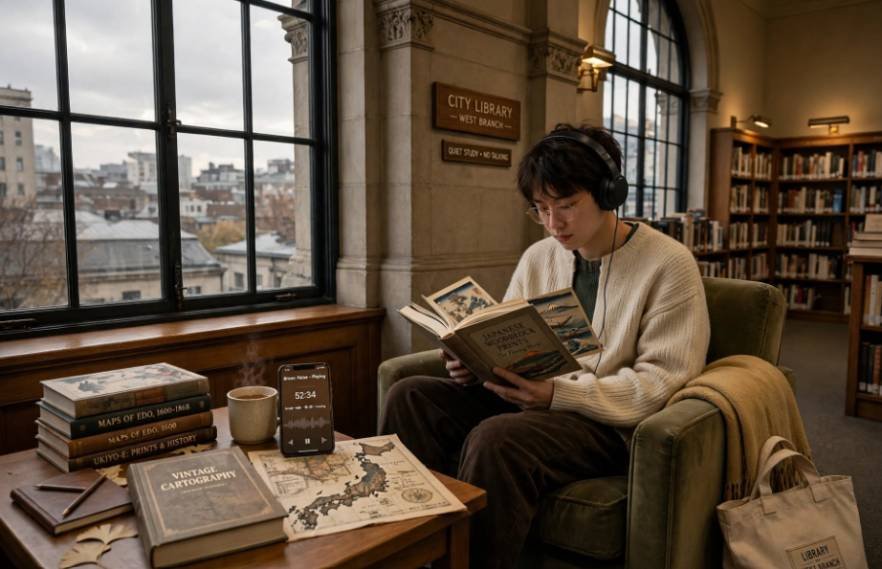
Public libraries remain one of the few places where quiet presence is the rule rather than the exception. Head to an architectural city branch or local archive. Slip on over-ear headphones playing brown noise or ambient soundscapes.
Browse aisles that have nothing to do with your career. Pull three random volumes on Japanese woodblock prints, vintage cartography, or mid-century gardening. Settle into a corner armchair. You absorb the warmth of human proximity without ever breaking your silence.
Unscripted Botanical Strolls and Park Benches
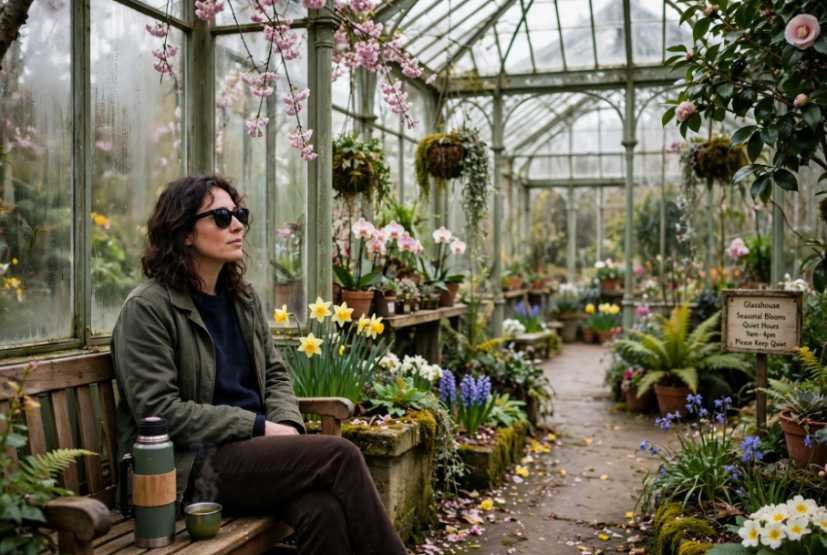
Neuroscience insights from Harvard Health Publishing show that immersion in natural surroundings lowers cortisol and halts repetitive negative thinking. Visit an arboretum, a botanical glasshouse, or a quiet park during off-peak hours.
Leave your fitness tracker and step-counting apps off. Walk without a set path, stop to inspect seasonal blooms, and sit on a bench with a thermos of green tea. People-watch through dark sunglasses: you become an invisible observer rather than a social participant.
Kinetic and Tactile Outings to Restore Flow
When social exhaustion stems from endless desk meetings and passive screen exposure, sitting still on the couch might make you feel restless instead of rested. Hands-on activities divert focus outward.
Engaging in simple, intentional activities can also help interrupt repetitive thought patterns and reduce mental overload. Building small daily routines that encourage calmer thinking can make this easier beyond your solo outings. Explore micro habits to stop overthinking and anxiety for practical ways to manage anxious thoughts.
┌──────────────────────────────────────────────────────────────┐
│ Cognitive Shift: Conversational Drag vs. Tactile Flow │
│ │
│ Socializing: [Self-Monitoring] ──> [Filter] ──> Exhaustion │
│ Tactile Flow: [Sensory Input] ──> [Action] ──> Calm │
└──────────────────────────────────────────────────────────────┘
Tactile Craft Sessions Over Passive Scrolling
Reserve an open slot at an unguided pottery wheel, purchase an architectural Lego set, or set up a small watercolor pad on your kitchen table.
Starting a creative activity does not require a completely free schedule. Even a short, consistent session can help you explore an interest without adding pressure to your routine. If you are unsure where to begin, read how to start a hobby when you have no free time for practical ways to make room for activities you enjoy.
Crafting forces your hands and motor cortex to collaborate, preventing circular overthinking.
Physical creation operates without an algorithm or a deadline. If your ceramic bowl wobbles, nobody is grading you. That freedom breaks the chronic pressure to perform.
Solo Gallery Wandering Without Compromise
Going to an exhibition with friends requires constant consensus: checking if they are bored, reading plaques at their pace, or agreeing on lunch spots.
When you explore an art gallery alone, you dictate the entire experience. Spend twenty minutes staring at a single oil canvas, or walk past entire galleries in under a minute without offering an explanation. This autonomy directly counteracts the daily compromises that run your battery down.
Setting Boundaries to Protect Your Recharging Window
A solo date fails the moment you check incoming work pings or reply to casual group chats. Defend your personal time with clear digital boundaries:
- Turn on “Do Not Disturb” mode and exclude all contacts except your emergency bypass list.
- Tell roommates or partners that you are taking personal downtime to recharge.
- Keep physical props nearby, such as a paper journal or paperback, to avoid reflexively unlocking your smartphone during pauses.
Reclaiming Your Time: Stop Performing, Start Restoring
Exhaustion from social commitments is not a personal failure; it is your brain demanding quiet calibration. You do not need an elaborate weekend getaway or an expensive spa ticket to recover. Pick one restorative activity from this guide, mark two uninterrupted hours on your personal calendar, and honor that commitment as fiercely as any professional meeting. Put your phone away, step out of the spotlight, and enjoy your own company.
Frequently Asked Questions
1. How long should a solo date last to recharge my social battery?
Ninety minutes to two hours provides sufficient nervous system regulation without triggering feelings of restless isolation.
2. Are solo dates effective if I experience social anxiety?
Yes, choosing low-stakes public spaces like quiet libraries or botanical gardens allows you to enjoy ambient company without interactive pressure.
3. What is the most restorative solo date for severe sensory overload?
An at-home sensory detox featuring warm baths, dim indirect lighting, and complete digital silence offers the fastest relief.
4. Why do I feel exhausted even after a fun social event?
Processing body language, managing auditory stimulation, and maintaining conversational flow use mental energy regardless of how much you enjoy the company.