Why Promotional Products Still Matter When Everyone Is Fighting for Attention
Promotional products are often misunderstood as a tactical afterthought: something you order at the end of a campaign, hand out at an event, and hope people remember. That view misses the real value. Done well, branded merchandise is not decoration. It is a repeated exposure channel, a relationship tool, and a practical extension of the brand experience.
For example, for businesses considering promotional products in Utah, the question is not whether swag works. The real question is whether the merchandise supports the impression you want to make. Cheap giveaways create noise. Thoughtful, useful, well-executed products create recognition. That difference matters because the item in someone’s office, car, or closet becomes a quiet reminder of how your company shows up..
This is why premium promotional marketing has shifted away from random logo placement and toward brand utility. The most effective products are the ones people use without having to be persuaded. They feel relevant, not forced. They communicate quality before a salesperson ever follows up.
The Real Job of Promotional Products Is Not Exposure Alone
A lot of companies treat branded merchandise as a visibility play. Visibility matters, but it is only one layer. The stronger goal is to create a physical touchpoint that reinforces what the company stands for. If the brand promises reliability, the item should feel reliable. If the brand wants to feel modern and polished, the merchandise should look like it belongs in that world.
That is where strategy starts. Promotional products should support one of three outcomes:
- keeping the brand top of mind
- strengthening internal culture
- giving clients or prospects something they actually want to use
When the product aligns with the use case, it does more than advertise. It helps the recipient feel that the company understood the context. That is a small detail with outsized value.
The Best Items Solve a Practical Problem
The most effective promotional items are rarely the flashiest. They are the ones that fit naturally into a person’s routine. A jacket that gets worn. A notebook that gets carried to meetings. A tech accessory that gets used every week. A corporate gift that feels selective rather than generic.
That is especially important for branded merchandise distributed at scale. The bigger the audience, the more important it becomes to choose items that can travel across roles, ages, and preferences without losing relevance. In other words, the item must work for the recipient, not just the marketing team.
Quality Is a Brand Signal, Not a Luxury
Low-quality merchandise creates a credibility problem. If the product pills, fades, breaks, or feels disposable, the brand absorbs that impression. People rarely separate the item from the company that gave it to them, which is why maximising your brand’s impact with custom exhibition stands and premium promotional products should both focus on quality, consistency, and lasting impressions.
This is where companies like Elevate Promo stand out. By focusing on custom apparel, promotional gifts, and coordinated distribution, Elevate Promo treats the product as part of the brand system, not just a logo application. That distinction is what separates forgettable swag from merchandise that supports trust.
Why the Logistics Matter as Much as the Design
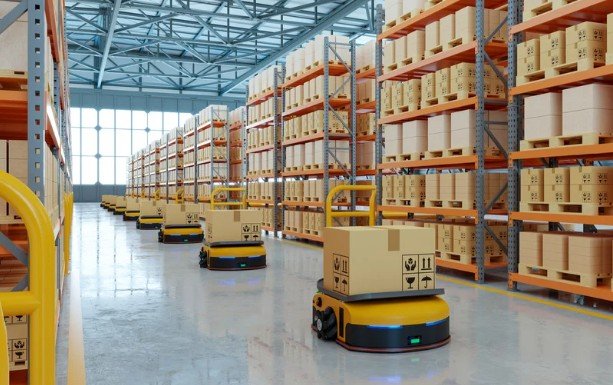
The product itself is only half the equation. The other half is what happens after the order is placed. Many teams underestimate how much complexity sits behind a “simple” merchandise program. Sizes need to be organized. Inventory needs to be tracked. Departments need separate kits. Employees need items shipped to different locations. Leadership wants consistency, but operations wants fewer headaches.
That is exactly where promotional merchandise programs break down. A great design can still fail if fulfillment is chaotic.
Elevate Promo addresses this by combining merchandise production with warehousing, inventory control, kitting and fulfillment, and direct-to-recipient shipping. That matters because the real bottleneck in many swag programs is not creativity. It is execution. Once teams start sending items to multiple offices, remote employees, new hires, prospects, and event attendees, the operational burden grows fast.
A mature program should answer the following questions before the order is placed:
- Where will the inventory live?
- Who manages reorders and stock levels?
- How are different product sizes and variants tracked?
- Are items shipped individually or in grouped kits?
- What happens when the company wants to add a new campaign later?
If those questions are unresolved, the program becomes reactive. If they are handled well, promotional merchandise becomes scalable.
Company Stores Change the Distribution Model
A company store is more than a storefront. It is a way to centralize selection and reduce friction. Rather than forcing one person to guess what everyone wants, the store lets employees or recipients choose from approved items.
That improves the experience in two ways. First, it reduces waste because people are less likely to receive products they will never use. Second, it lowers internal pressure because teams are not manually sorting every order. For companies with repeated campaigns or large distributed teams, that difference is significant.
Experience Pages Create a Better Brand Moment
Elevate Promo goes a step further with personalized Experience Pages, which elevate the standard company store model. That matters because the presentation of the store shapes the perceived value of the merchandise. A generic ordering page feels transactional. A curated experience feels intentional.
This is especially useful when the merchandise is tied to onboarding, recognition, field campaigns, or client appreciation. The product is still the product, but the packaging of the experience helps the recipient feel that the brand made an effort.
What Strong Operators Do Differently with Custom Swag
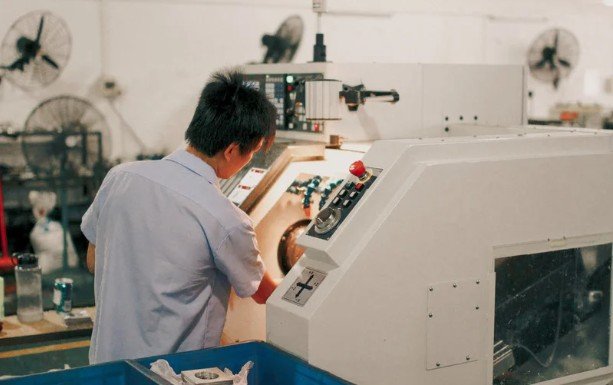
The best merchandising programs are not built around isolated orders. They are built around repeatable systems. Strong operators think in campaigns, audience segments, and operational pathways. They do not ask, “What item should we buy?” They ask, “What should this item do for the business, and how do we make it easy to repeat?”
That mindset changes everything. It forces clarity on audience, timing, and purpose. It also prevents the common mistake of ordering merchandise simply because it is available. The more disciplined the strategy, the more likely the product will earn its place.
Elevate Promo’s approach fits this operating model well because it combines product development with backend support. That creates a smoother path from concept to delivery. It also gives teams room to iterate, which matters when branding needs evolve over time.
A Better Selection Framework
Before choosing any item, teams should evaluate it through a practical lens. A strong framework might include:
- Audience fit: Who receives it, and what do they actually use?
- Brand alignment: Does it feel consistent with the company’s image?
- Production quality: Will it reflect well over time?
- Fulfillment complexity: How many sizes, locations, or recipients are involved?
- Campaign value: Does it support a specific objective, such as recognition, recruitment, or retention?
This framework prevents the program from drifting into novelty for novelty’s sake. It keeps the investment tied to a business purpose.
One-Product Programs vs. Combined-Product Programs
There is also an important distinction between one-product use and combined-product use.
A one-product program might center on a single hero item, such as a premium jacket or a branded t-shirt rollout. This can be effective when the goal is simplicity, consistency, or mass distribution.
A combined-product program uses multiple items together, such as apparel, gifts, and onboarding materials in one kit. This works better when the company wants a more complete experience. It is especially useful for welcoming new hires, rewarding teams, or sending curated client packages.
The right choice depends on the message. One product can be clean and efficient. Multiple products can create a stronger emotional effect. The key is alignment, not volume.
How Promotional Products Support Growth Beyond the First Impression
Many teams think of swag as a top-of-funnel tool. That is only part of the story. Branded merchandise also supports retention, internal morale, and relationship continuity. A thoughtful gift after a successful meeting, a well-executed onboarding kit, or a useful piece of apparel for a team event can all reinforce a larger business relationship.
This is where promotional products companies use most effectively become more than marketing assets. They become operational tools for culture and loyalty. That is especially true when distribution is handled well and the product arrives in a way that feels organized, polished, and timely.
For growing businesses, there is another benefit: consistency. Once a reliable merchandise system exists, the company can create repeatable moments across departments and campaigns. That means fewer one-off decisions and more brand discipline. Over time, discipline creates familiarity, and familiarity builds trust.
This is one reason businesses look for a partner instead of just a supplier. A partner can help manage the practical details while keeping the brand experience coherent. Elevate Promo’s mix of branded merchandise, warehouse support, and distribution services is built for exactly that kind of environment.
Choosing a Partner That Reduces Chaos Instead of Adding to It

The right vendor should make the process easier, not more complicated. That sounds obvious, but in practice many companies end up with the opposite experience: scattered order management, inconsistent product quality, uncertain inventory, and too many internal handoffs. A strong partner removes that friction.
What should you look for? First, the ability to handle both physical product creation and logistics. Second, support that can scale from small campaigns to broader company-wide programs. Third, a team that understands the branding side and the operational side equally well.
Elevate Promo brings those pieces together in one place, which is valuable because it reduces fragmentation. Their work with clients such as Beehive Broadband, Copper Johns, and Preventive Pest Control shows that promotional merchandising can be tailored to different organizational needs without becoming generic.
If you want to explore their approach, start with Elevate Promo’s website. The value is not just in the products themselves, but in the way the company organizes the full process around them.
The Long-Term Value of Doing Promotional Products Well
The strongest merchandise programs age well because they are built on judgment. They do not depend on hype, trend-chasing, or one-off gimmicks. They depend on a clear understanding of audience, brand, and execution. That is what makes them durable.
When companies treat branded merchandise as a strategic asset, they gain more than exposure. They gain consistency, operational clarity, and a better customer or employee experience. They also reduce the chaos that usually comes with size ordering, inventory management, and multi-location fulfillment.
That is the real opportunity with promotional products businesses can rely on: not just to hand out an item, but to create a better system around how the brand is experienced. Elevate Promo understands that distinction, and that is what makes their model worth paying attention to.