
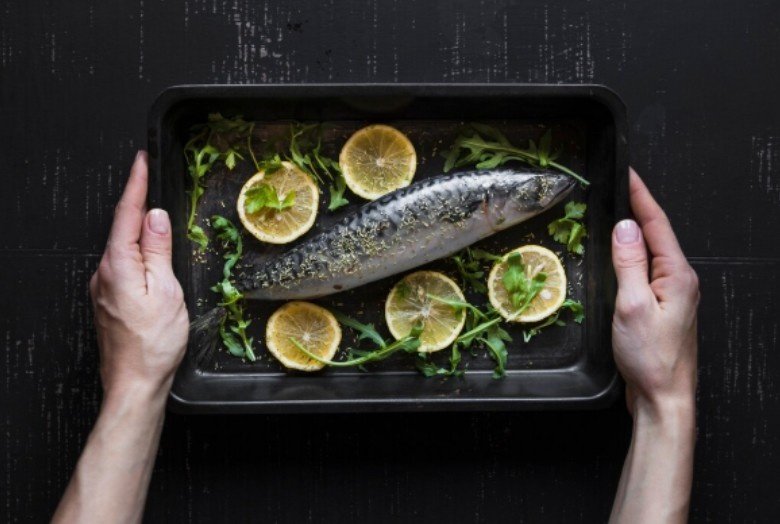
Cooking fish in the oven is one of the easiest ways to enjoy a healthy, flavorful meal with minimal effort. Whether you’re a busy professional, a home cook, or just someone who enjoys a good fish dinner, learning how long to cook fish in the oven can help you create the perfect dish every time.
Through my experience, I’ve found that oven-baked fish is one of the most reliable ways to get tender, flaky results without too much fuss. In this guide, I’ll share everything you need to know about oven-baking fish from the best temperatures to cooking times, as well as tips for keeping the fish moist and flavorful.
General Guidelines: How Long to Cook Fish in the Oven
When it comes to oven-baked fish, the key to perfecting your cooking is knowing the right temperature and time. Fish is delicate, so a good balance is crucial to prevent overcooking or undercooking.
Temperature and Time for Cooking Fish
The most common guideline for baking fish is the “10-minute rule”, which suggests baking the fish for 10 minutes per inch of thickness at 400°F (200°C). This general rule is great for most types of fish for cooking fillets, steaks, or a whole fish. Here’s a breakdown of how to approach the time and temperature:
- Thinner Fish Fillets (1/2 inch thick): These will take around 8 to 10 minutes.
- Average Fish Fillets (1-inch thick): These need around 10 minutes.
- Thicker Fish Fillets (1.5-2 inches): They will require 12 to 15 minutes or more, depending on thickness.
In my experience, cooking times might vary a bit based on the type of fish, the oven’s efficiency, and whether you wrap it in foil or bake it uncovered. So, be sure to monitor the fish closely during the cooking process.
Checking for Doneness
Fish is done when it turns opaque and flakes easily with a fork. I always check my fish a couple of minutes before the recommended cooking time is up to ensure it doesn’t overcook. You can also use a food thermometer, if the internal temperature reaches 145°F (63°C), it’s ready to be removed from the oven. This ensures food safety while keeping your fish juicy and flavorful.
Using the 10-Minute Rule

As I mentioned, the “10-minute rule” is my go-to method for baking fish. Let me walk you through how this rule works in real-life situations:
- Preheat the Oven: I typically preheat my oven to 400°F (200°C), which is a good temperature to bake most fish.
- Prepare the Fish: Whether I’m using fillets, steaks, or whole fish, I ensure the fish is patted dry with a paper towel to prevent a soggy texture. I also season it with a drizzle of olive oil, salt, pepper, and any herbs or spices I’m using.
- Baking Time: I then place the fish in the oven. For 1-inch thick fillets, I bake them for about 10 minutes, checking them halfway through to see if they’re flaking easily with a fork.
- Final Check: If the fish is opaque and flakes easily, I know it’s done. If not, I give it an extra few minutes but be careful, fish cooks fast, and it can dry out if you leave it too long.
The simplicity of this method is why it’s my favorite. I never worry about overcomplicating dinner, and I can focus on side dishes or just enjoying a glass of wine while the fish bakes.
Fish in Foil or Parchment Paper
One method I often use, especially when I want to keep my fish moist, is baking it in foil or parchment paper. This technique is referred to as en papillote, and it’s a simple way to trap steam inside the fish packet, keeping it moist and flavorful.
Instructions for Cooking Fish in Foil or Parchment:
- Preheat the Oven: Set your oven to 400°F (200°C).
- Prepare the Fish: Lay a fish fillet (or two) in the center of a large sheet of aluminum foil or parchment paper. I like to add aromatics – lemon slices, garlic, and fresh herbs like rosemary or thyme before drizzling a bit of olive oil or adding a small pat of butter on top.
- Seal the Packet: Fold the foil or parchment paper around the fish, creating a sealed packet. The steam that forms inside will cook the fish gently and keep it from drying out.
- Bake the Fish: Place the packet on a baking sheet and bake for 15 to 20 minutes, depending on the thickness of the fish.
- Serve: Once done, carefully open the packet (hot steam will escape), and serve immediately.
Cooking fish this way ensures a juicy, flavorful result. It’s also a great option for when I’m cooking fish with a side of vegetables. I just throw them in the packet with the fish for an all-in-one meal!
Tips for Cooking Fish in the Oven: Keeping It Moist

Fish can easily dry out in the oven if you’re not careful, but over the years, I’ve picked up some great tricks to keep it moist and tender:
1. Use Oil or Butter: Always coat your fish with olive oil or butter before cooking to keep it moist. It adds flavor, helps with browning, and prevents the fish from sticking.
2. Drizzle with Lemon or Sauce: Lemon juice adds a nice, fresh zing to the fish. A lemon-butter sauce or even a tomato-based sauce can also keep the fish moist and add depth of flavor.
3. Bake at the Right Temperature: 400°F (200°C) is my go-to temperature for most fish, but you can adjust it slightly based on your recipe. 350°F (175°C) works well for fish that might need a gentler bake, and 450°F (230°C) works best when you want to crisp up the exterior.
4. Wrap It in Foil: As mentioned, wrapping fish in foil or parchment helps seal in moisture. This method is especially useful for thicker fillets, as it allows them to cook evenly without drying out.
Frequently Asked Questions
1. How do I know when my fish is done baking?
Fish is done when it turns opaque and flakes easily with a fork. For extra assurance, use a thermometer-145°F (63°C) is the safe internal temperature for cooked fish.
2. How long does it take to bake fish fillets at 400°F?
Baking 1-inch thick fillets at 400°F (200°C) usually takes around 10 minutes. Thicker fillets will need a bit longer – 12 to 15 minutes.
3. Can I cook fish from frozen in the oven?
Yes, you can! Just increase the cooking time by 5-10 minutes depending on the thickness of the fish. Be sure to check that the fish reaches the proper internal temperature.
4. Should I wrap fish in foil or parchment when baking?
It’s not mandatory, but wrapping fish in foil or parchment helps it stay moist. It’s especially useful for thicker fish fillets or when you want to add herbs and spices without them drying out.
5. What are the best fish types for baking in the oven?
Fish like salmon, cod, tilapia, halibut, and snapper all bake wonderfully in the oven. These fish are versatile, cook evenly, and retain moisture well.
Perfecting Your Oven-Baked Fish
Cooking fish in the oven is one of the easiest, most reliable methods for ensuring tender, flavorful results. With a little knowledge of how long to cook fish in the oven, you can have a delicious meal ready in no time. Whether you’re using the 10-minute rule, baking in foil, or just experimenting with different flavors, oven-baked fish is an excellent choice for busy weeknights or casual dinner parties.
From my personal experience, oven-baked fish is something you can confidently master. With the right techniques and a bit of practice, it’s easy to get perfect results every time!