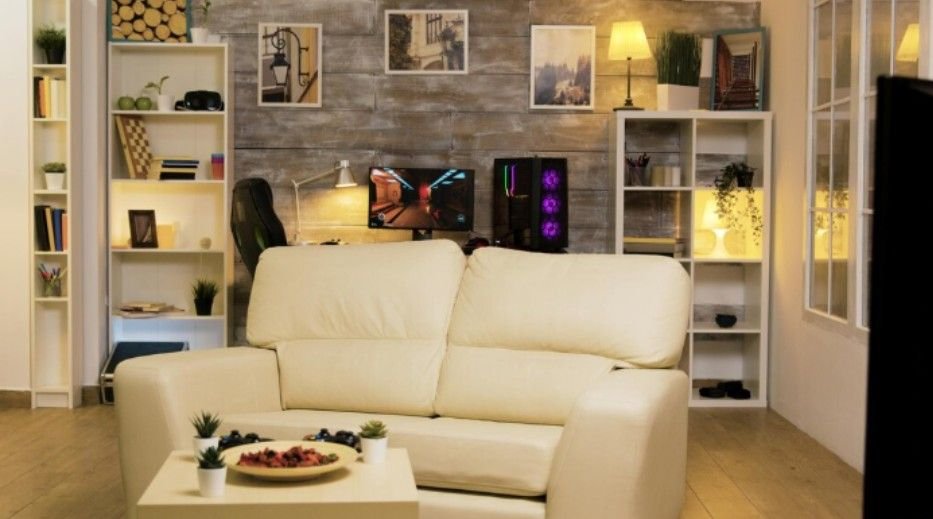

A move, school change, or family disruption can make everyday tasks harder for a teenager. Familiar routines may help by making the next part of the day easier to anticipate. The most useful structure leaves room for individual needs and can be adjusted as the teen settles into the change.
That is why families often look for support models that do more than talk about change. They need structure that can actually hold a teen while he learns how to manage himself again. A structured living program for teenage boys can provide that kind of scaffolding when ordinary family routines no longer feel strong enough to do the job.
Why Transitions Disrupt More Than Schedules
A major transition does not just change a teen’s calendar. It can change his identity, confidence, and sense of control. When a boy is already dealing with anxiety, executive functioning deficits, depression, trauma, or academic disengagement, the disruption can hit harder than parents expect.
The challenge is that teens often have limited internal organization during stressful periods. If a young person is overwhelmed, he may struggle to plan ahead, start tasks, regulate emotions, or recover from small mistakes. Without predictable external structure, he can drift into a pattern of avoidance that deepens the problem.
Routine helps because it reduces the number of decisions a teen has to make in a day. That matters more than it sounds. Fewer decisions mean less friction. Less friction means more energy available for learning, emotional regulation, and follow-through. Predictability can calm the nervous system and make the day feel manageable again.
The Real Cost of “Figure It Out” Parenting
Many families try to support a struggling teen by giving him more freedom and hoping maturity will follow. In a stable season, that may work reasonably well. During a transition, it often backfires.
A teen who is already overwhelmed does not usually benefit from more open-ended expectations. He needs clearer rhythms, simpler steps, and steadier accountability. That is not coddling. It is smart support. Consistency helps him rebuild capacity before he is asked to manage more complexity on his own.
Structure Works Best When It Feels Human, Not Institutional

Not all structure is equal. A rigid environment may create compliance without growth. On the other hand, a loose environment may feel comfortable but fail to produce real progress. The strongest model sits between those extremes: firm enough to provide safety, but relational enough to build trust.
Live Strong House approaches this through townhome living, which creates a more normalized daily environment than an institutional setting. Teens are more likely to practice real-life skills when the setting resembles real life. They are not simply being managed. They are learning how to function within a community, with support available in the moment it is needed.
This is where the practical value of routines becomes visible. A regular schedule is not just about time blocks. It is about teaching a teen to move through the day with purpose: wake up, prepare, attend therapy or school, complete responsibilities, reset, and repeat. Over time, that repetition becomes internalized.
Live Strong House is built around this kind of relational stability. Its model gives adolescent boys a predictable framework while still requiring them to participate actively in their own growth.
What a Strong Daily Rhythm Usually Includes
A useful routine is not overly complicated. It is consistent, visible, and repeatable. In a residential setting, that may include:
- A consistent wake-up and bedtime rhythm
- Regular therapy sessions
- Accredited academic instruction
- Chores and household responsibilities
- Movement, recreation, or outdoor time
- Scheduled meals and shared community expectations
- Built-in time for reflection, coaching, and follow-through
Each of these elements plays a different role. Together, they reduce chaos and create a day that feels ordered enough for growth to happen.
The Long-Term Value Is Not Obedience, but Readiness
Families often ask whether a teen is “doing better.” That question is understandable, but it can be too narrow. The more important issue is whether he is becoming ready for the next stage of life. That is where consistency matters most.
A strong routine teaches more than punctuality. It teaches self-management. A teen learns how to start tasks without constant prompting, track responsibilities, recover from missed expectations, and keep moving after a difficult day. Those are not small skills. They are the foundation of adulthood.
At Live Strong House, structure is paired with therapy and academics so the day has a clear developmental purpose. The goal is not simply to fill time. It is to help students develop emotional stability, academic momentum, and practical independence in a setting where expectations are consistent.
Routine Builds Confidence Through Repetition
Confidence does not usually appear all at once. For many boys, it returns through repeated evidence that they can handle what comes next. One successful morning matters. Then another. Then a week of showing up, completing tasks, and staying engaged.
That repetition helps a teen replace a fragile self-image with something sturdier. He begins to see himself not only as someone who has struggled, but as someone who can contribute, learn, and adapt. That shift is especially important during transitions, when uncertainty can otherwise define his experience.
Practical Skills Matter Because Transition Is a Life Test
A teen does not need abstract encouragement alone. He needs practice in the exact skills that transitions expose. If he is moving toward greater independence, the ability to manage daily responsibilities becomes essential.
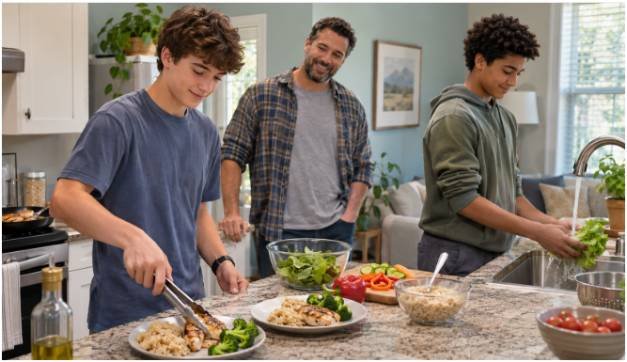
Live Strong House emphasizes hands-on skill building because adulthood demands more than insight. Boys need to learn how to cook, budget, manage time, complete chores, and navigate a schedule. These are not side activities. They are core competencies.
The point is not to make life feel overly controlled. The point is to make it teachable. When routines include practical expectations, a teen can rehearse the habits that will matter later—especially after recognizing early signs you need a deep reset when daily stress starts compounding. That kind of preparation is one reason families seek a structured living program for teenage boys when ordinary support is no longer enough.
Why Skills Stick Better Inside a Routine
A skill taught once is easy to forget. A skill practiced daily starts to become part of how a teen operates.
When a boy repeatedly manages his own belongings, follows a schedule, or handles a simple responsibility with coaching, he begins to connect behavior with outcome. That connection is often what has been missing during periods of instability. Routine makes consequences visible and progress measurable.
Families Need a Model That Supports Change Without Losing the Teen
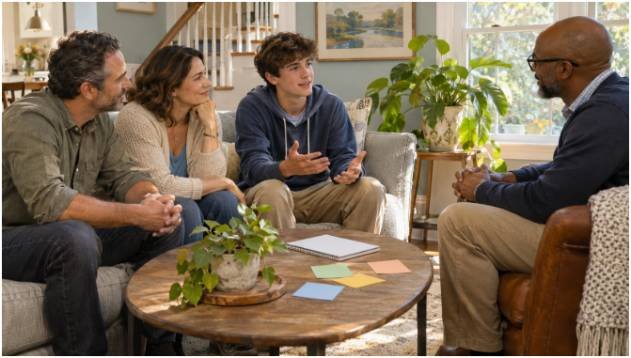
Transitions are often hardest on families because parents are carrying both concern and uncertainty—especially when raising teens shaped by the mobile‑first revolution, where constant connectivity adds extra noise to already stressful moments. They may know their son needs help, but they may not know what kind of environment will actually move him forward. The best answer is usually not extreme. It is structured, relational, and realistic.
That is the value proposition of Live Strong House. It is not trying to replace family. It is creating a supportive setting where boys can stabilize, practice, and prepare while families remain involved as part of the treatment team. That collaboration matters because long-term change is easier to sustain when the teen is not isolated from the people who will continue to support him.
The strongest programs understand that consistency is contagious. When a teen experiences predictable expectations from staff, therapists, and coaches, he has a better chance of carrying those rhythms forward at home, in school, and in future environments.
For parents watching a son struggle through change, the question is not whether routine is valuable. It is whether the routine is strong enough, relational enough, and practical enough to help him move through the transition instead of getting stuck inside it.
A well-designed structure can do exactly that. If your family is looking for a steadier path forward, Live Strong House offers a clear example of how routine, mentorship, academics, and daily accountability can work together to support real readiness.