Yellow fever is a serious viral illness that has affected human populations for centuries, particularly in parts of Africa and South America. While modern medicine has made great strides in preventing the disease, outbreaks still occur, especially in regions where mosquito control and vaccination coverage are limited.
What makes yellow fever especially dangerous is how quickly it can progress. Some people experience only mild flu-like symptoms, while others develop severe complications such as jaundice, internal bleeding, and organ failure. Understanding how the disease spreads, what causes it, and how it can be managed is essential for both prevention and early response.
What Is Yellow Fever?
Yellow fever is a viral disease transmitted through the bite of infected mosquitoes. It gets its name from jaundice, a yellowing of the skin and eyes that can occur when the liver is affected.
The illness ranges from mild to severe. In many cases, symptoms resolve within a few days. However, in severe infections, yellow fever can be life-threatening, with a significant risk of death if medical care is delayed.
Understanding the Cause of Yellow Fever
The cause of yellow fever is a virus known as the Yellow Fever Virus, which belongs to the flavivirus family. This virus cannot spread directly from person to person. Instead, it relies on mosquitoes as carriers.
Once a mosquito bites an infected human or animal, it can carry the virus and transmit it to others through subsequent bites. This mosquito-human-mosquito cycle is what allows the disease to spread rapidly in certain environments.
How Yellow Fever Is Transmitted
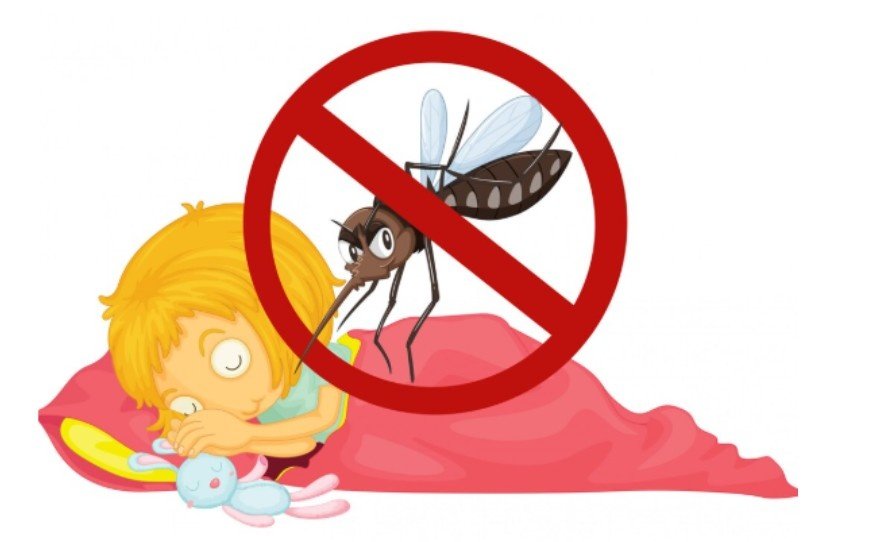
Yellow fever transmission depends heavily on mosquito behavior and environmental conditions. Two mosquito species are mainly responsible:
- Aedes mosquitoes, which thrive in urban and semi-urban areas
- Haemagogus mosquitoes, commonly found in forested regions
Transmission occurs through three main cycles:
1. Jungle (Sylvatic) Cycle
In forested areas, mosquitoes transmit the virus between non-human primates, such as monkeys. Humans become infected when they enter these areas and are bitten by infected mosquitoes.
2. Savannah (Intermediate) Cycle
This cycle occurs in rural African regions where mosquitoes infect both humans and animals. Small outbreaks are common in these settings.
3. Urban Cycle
Urban transmission happens when infected humans carry the virus into cities. Local mosquitoes then spread it rapidly among dense populations.
Understanding these cycles helps explain why outbreaks can suddenly appear in cities after starting in remote areas.
Risk Factors That Increase Exposure
Certain factors make people more vulnerable to yellow fever infection:
- Living in or traveling to endemic regions
- Lack of vaccination
- Poor mosquito control infrastructure
- Warm, humid climates that favor mosquito breeding
- Increased international travel
In these situations, the cause of yellow fever becomes closely tied to environmental exposure rather than individual behavior alone.
Symptoms: From Mild to Severe

Yellow fever symptoms usually appear 3 to 6 days after infection. The illness often progresses in two phases.
Initial Phase Symptoms
- Sudden fever
- Headache
- Muscle and back pain
- Fatigue and weakness
- Nausea or vomiting
Many people recover fully after this stage.
Toxic Phase (Severe Cases)
In about 15–20% of patients, symptoms return and worsen:
- Jaundice (yellowing of skin and eyes)
- Abdominal pain
- Internal bleeding
- Kidney failure
- Shock and organ dysfunction
This phase requires immediate hospitalization.
Remedies for Yellow Fever: Supportive Care
There is no specific antiviral medication that cures yellow fever. Treatment focuses on managing symptoms and supporting the body while it fights the virus.
Key Supportive Remedies Include:
- Rest: Reduces strain on the body and immune system
- Fluids: Oral or intravenous fluids prevent dehydration
- Fever Management: Paracetamol is used for pain and fever
- Avoidance of NSAIDs: Aspirin and ibuprofen are avoided due to bleeding risk
In severe cases, hospital-based care becomes essential.
Hospital Treatment for Severe Yellow Fever

Patients with complications may require advanced medical support, such as:
- Oxygen therapy
- Blood pressure monitoring
- Blood transfusions for bleeding
- Dialysis for kidney failure
- Intensive care monitoring
Early hospitalization significantly improves survival rates.
Why Prevention Is More Effective Than Treatment
Because there is no cure, preventing infection is far more effective than treating it. This is why global health organizations emphasize prevention strategies.
At its core, the cause of yellow fever is preventable when mosquito exposure and viral transmission are controlled.
Yellow Fever Vaccination: The Strongest Defense
Vaccination is the most reliable way to prevent yellow fever.
Key Facts About the Vaccine:
- A single dose provides lifelong protection
- Highly effective and safe for most people
- Often required for international travel to endemic regions
- Helps prevent outbreaks by reducing transmission
Vaccination not only protects individuals but also contributes to community immunity.
Mosquito Protection Measures
In addition to vaccination, reducing mosquito bites is essential.
Personal Protection:
- Use insect repellents containing DEET
- Wear long-sleeved clothing and long pants
- Sleep under mosquito nets
- Stay in air-conditioned or screened rooms
Community-Level Control:
- Eliminating standing water
- Proper waste management
- Public mosquito control programs
These measures reduce mosquito populations and lower infection risk.
Who Should Be Extra Cautious?
Some groups need special medical guidance before vaccination or travel:
- Infants under 9 months
- Pregnant women
- People with weakened immune systems
- Older adults with chronic conditions
Medical consultation ensures safety while maintaining protection.
Frequently Asked Questions
1. What is the main cause of yellow fever?
Yellow fever is caused by a virus transmitted through the bite of infected mosquitoes, not through direct human contact.
2. Is yellow fever contagious between people?
No, it does not spread directly from person to person. Mosquitoes are required for transmission.
3. Can yellow fever be cured completely?
There is no specific cure, but many people recover with proper supportive care and rest.
4. How effective is the yellow fever vaccine?
The vaccine is highly effective, with one dose providing lifelong protection for most individuals.
5. Why is yellow fever still a concern today?
Limited vaccination coverage, mosquito exposure, and increased travel allow outbreaks to continue in some regions.
Final Words
Yellow fever remains a serious global health concern, not because it is untreatable, but because prevention is sometimes overlooked. Understanding how the disease spreads, recognizing symptoms early, and taking preventive measures can dramatically reduce its impact.
Supportive care helps patients recover, vaccination and mosquito control remain the most powerful tools we have. With proper awareness and planning, yellow fever is largely preventable, even in high-risk regions.
Staying informed, protected and proactive is the key to reducing illness and saving lives.
Disclaimer:
This blog post is for informational purposes only and is not intended as medical advice. It does not replace professional diagnosis, treatment, or medical guidance. Always consult a qualified healthcare provider for medical concerns, diagnosis, or treatment related to yellow fever or any other health condition.