I used to think an interesting outfit required something new. Then I started paying attention to the details: a folded sleeve, cleaner sneakers, or a different shirt tuck. The same jeans and T-shirt suddenly felt more intentional.
When I look for simple ways to make basic outfits look stylish, I start with clothes already hanging in my closet. Whether I’m getting ready for a coffee run, a casual office day, or Saturday brunch, small adjustments usually make the biggest difference. These ideas help everyday clothes feel fresh without turning getting dressed into another expensive project.
Start With the Clothes You Already Own
Before adding accessories, check your foundation. A stretched neckline, uncomfortable waistband, or dragging hem can make styling harder. Choose pieces that feel comfortable today, then look for one or two details worth adjusting.
1. Refresh Your Clothes Before Styling Them
Steam noticeable wrinkles, remove lint, and gently de-pill sweaters using a suitable fabric tool. Check shirt collars, cuffs, and loose threads.
Clean footwear matters, too. Wiping down sneakers or brushing suede boots can improve an outfit immediately. Follow each garment’s care label, especially with delicate fabrics. These maintenance steps often deliver more value than another accessory.
2. Check Fit Without Rejecting Relaxed Clothes
Good fit doesn’t mean everything must be tight. An oversized shirt can look deliberate when its sleeves, neckline, and length work together.
Check whether shoulder seams sit where the design intends and whether buttons pull when you move. For jeans, try them with your usual shoes before deciding on alterations. A useful hem should accommodate walking comfortably.
Simple Ways to Make Basic Outfits Look Stylish With Small Adjustments
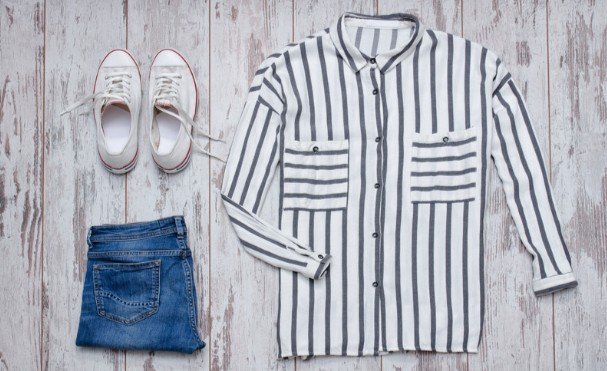
3. Choose a Tuck That Suits the Fabric
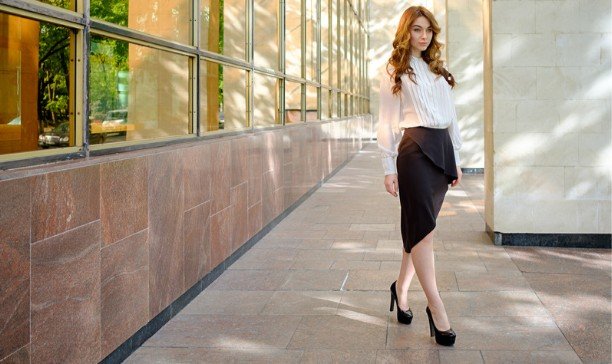
A full tuck can give a lightweight button-down a crisp finish. A small front tuck can show the waistband while leaving the rest relaxed.
Thick sweaters may bunch when tucked, so try folding the hem inward instead. Prefer coverage? Leave your top untucked and introduce shape through a shorter jacket or an open shirt worn over it.
4. Fold Sleeves With Intention
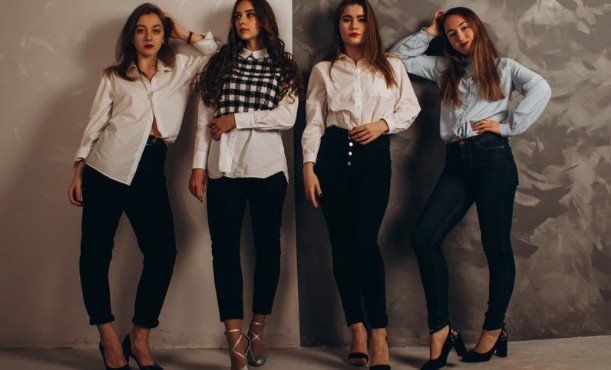
Try two neat folds on a button-down or a small cuff on a sturdy T-shirt. Revealing your wrists can make layered outfits feel lighter and keep sleeves away from your hands.
Avoid forcing a cuff into fabric that won’t hold it. For a soft cardigan, gently push the sleeves back if they stay comfortably in place. If you’re selling mended clothes, these simple styling touches can help showcase the fit.
5. Balance Volume and Length
Pairing wide-leg jeans with a closer-fitting tank is one easy starting point. A roomy sweatshirt can work with straight-leg pants and a visible shoe.
Relaxed pieces can also look good together. Try an open neckline, a defined cuff, or a shorter outer layer to introduce structure. Use proportions as an experiment rather than a rule about your body.
6. Add a Belt When It Helps
A belt can finish jeans, coordinate accessories, or shape a loose dress. Start with one you already own and check whether it improves comfort and the overall silhouette.
Matching its color to your shoes or bag creates an easy connection. Exact matching isn’t necessary. Related brown tones, for example, can feel cohesive without looking overly coordinated.
Use Shoes, Color, and Texture to Add Personality

7. Change the Shoes Before Changing Everything
Keep your jeans and tee, then compare sneakers with loafers, ballet flats, or ankle boots. Each creates a different mood. To style oversized shirts without looking bulky, try a small front tuck that defines your waist.
For neighborhood errands, comfortable sneakers may be ideal. Loafers can sharpen the same clothes for a casual workplace. Choose footwear that suits the walking involved; looking polished should still let you enjoy your plans.
8. Repeat One Color
Try repeating a color in two places: burgundy flats with a patterned scarf, or a navy top with a navy bag detail.
A mostly neutral outfit also gives a bright accessory room to stand out. You don’t need to restrict your wardrobe to beige or black. Start with colors you enjoy wearing and experiment with combinations in daylight.
9. Mix Textures in Simple Outfits
When a single-color look feels flat, try different surfaces. Pair a cotton tee with ribbed knitwear, denim with a smooth blouse, or linen pants with a woven bag.
Texture creates interest without requiring prints or additional layers. In warm weather, lightweight fabrics and textured accessories can provide the detail that a jacket would otherwise add.
10. Choose One Useful Layer
An open button-down, wearing cardigan sweater, denim jacket, or blazer can change the outline of an outfit. Pick according to the temperature and occasion.
A breathable shirt works for warm afternoons, while a cardigan helps in chilly offices or restaurants. Experiment with length: a cropped layer emphasizes the waistband, while a longer open layer creates vertical lines.
11. Give Accessories a Clear Purpose
Choose a focal point, such as earrings, a colorful bag, or a scarf tied to a handle. Layer jewelry if that feels natural, or keep one piece prominent.
Before leaving, check the complete outfit, including outerwear. If several accessories compete for attention, remove one and compare. Keep the version that feels comfortable and personal.
Frequently Asked Questions
1. What are some simple ways to make basic outfits look stylish without shopping?
Start by steaming clothes, cleaning shoes, adjusting sleeves, and trying another tuck. Then rearrange existing accessories or repeat a color between your footwear and bag.
2. How can I make a T-shirt and jeans feel more polished?
Check the tee’s condition, adjust its hem, and choose clean shoes. Add a belt or light layer if it improves the outfit’s proportions and suits your plans.
3. Can comfortable outfits still look stylish?
Yes. Comfortable fabrics, supportive shoes, thoughtful color combinations, and deliberate lengths can create an appealing outfit. You can apply these ideas to relaxed pants, sneakers, and loose tops.
Make Your Everyday Wardrobe Feel Fresh
I find getting dressed easier when I change one detail at a time. A cleaner shoe, folded sleeve, or different layer helps me see familiar clothes differently. I’d start with one outfit you already like, try two small adjustments, and keep whichever version feels most like you.