In modern construction, achieving optimal concrete quality is essential for ensuring the durability and strength of structures. One of the most effective tools employed to enhance concrete quality is the concrete vibrator. By utilising a concrete vibrator, construction professionals can significantly improve the integrity of concrete pours, minimising defects and improving overall performance.
The Role of Concrete Vibrators in Construction
Concrete vibrators are specialised devices designed to remove trapped air and excess water from freshly poured concrete. When concrete is placed, air pockets and unwanted voids can become trapped within the mixture, leading to reduced strength and increased permeability. This compromises the longevity of the structure and may lead to costly repairs. The main function of a concrete vibrator is to consolidate the concrete, ensuring a dense and homogenous mix.
Types of Concrete Vibrators
Several types of concrete vibrator devices are available, each suitable for different construction scenarios. These include internal vibrators, external vibrators, and surface vibrators. Internal vibrators are the most common and are used by immersing a vibrating needle or poker directly into the concrete. External vibrators attach to the formwork to induce vibrations, while surface vibrators work on the top layer of concrete, often used in slab construction.
Internal Vibrators
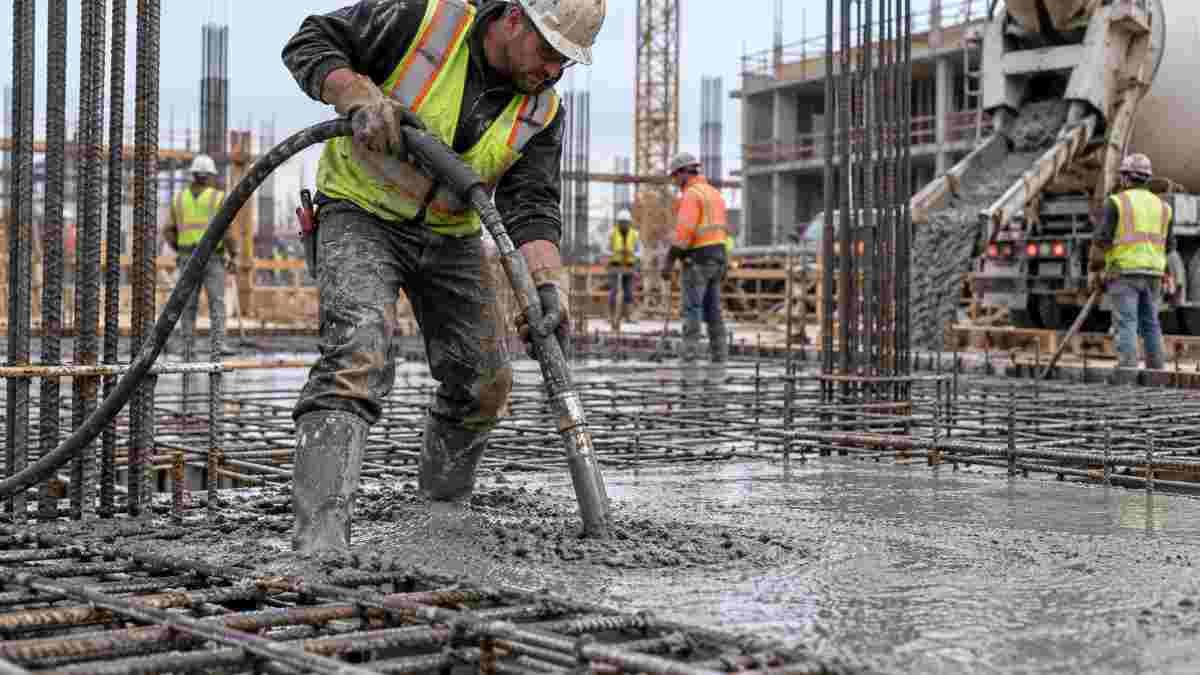
Internal vibrators are handheld devices that operators insert into wet concrete. The vibrating head pulses at high frequencies, allowing the concrete to settle and compact as the operator moves it throughout the pour area. This method ensures air bubbles are expelled from the mixture, resulting in a denser and more uniform finish. These vibrators are particularly effective for deep pours and complex shapes.
External Vibrators
External vibrators are attached to the outside of concrete forms to deliver vibrations throughout the moulded concrete. They are generally used for large precast elements or where internal insertion is not feasible. By vibrating the formwork, the external vibrator promotes consolidation by allowing the concrete to settle without directly embedding the vibrator into the mixture.
Surface Vibrators
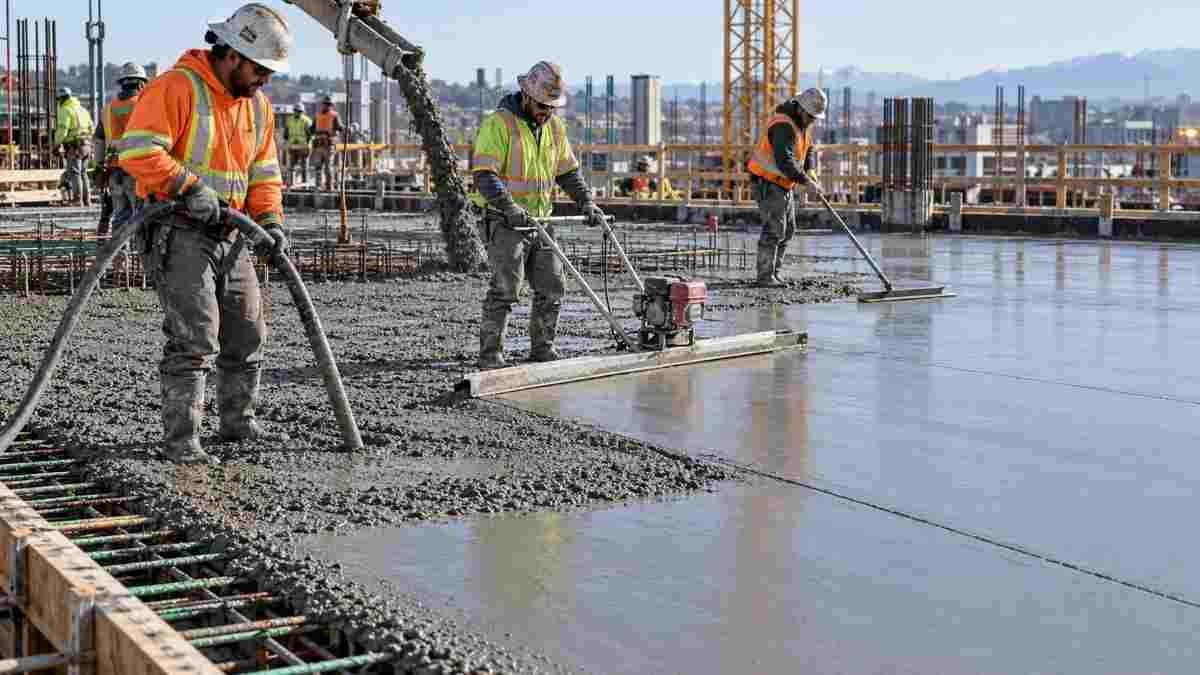
Surface vibrators, also known as screed vibrators, are used primarily on concrete slabs and flat surfaces. These machines vibrate the surface of fresh concrete to remove air voids and help level the surface. They are often combined with screeding tools to simultaneously compact and finish the concrete.
Benefits of Using Concrete Vibrators
The proper use of a concrete vibrator improves numerous aspects of construction quality:
Enhanced Strength and Durability
Through the removal of air pockets and better compaction, concrete vibrators significantly increase the strength and durability of the finished product. Well-compacted concrete resists cracking and surface wear, thereby extending the lifespan of the structure. This property is crucial for high-stress applications such as foundations, bridges, and load-bearing walls.
Improved Surface Finish
Utilising a concrete vibrator helps produce a smooth, uniform surface with fewer blemishes. This enhances the aesthetic quality of the concrete and reduces the need for additional surface treatments or repairs. For architectural concrete, a superior finish is vital to meet design specifications and customer expectations.
Reduced Permeability
Concrete vibrators diminish the presence of air voids, which reduces the concrete’s permeability. Lower permeability minimises water ingress, protecting reinforcement from corrosion and preventing freeze-thaw damage in colder climates. This feature contributes greatly to the longevity and sustainability of the structure.
Cost Efficiency
While concrete vibrators represent an upfront investment, they ultimately reduce costs by minimising defects, lowering repair rates, and decreasing the need for replacement. Additionally, because vibrated concrete cures more uniformly, contractors often experience a reduction in construction timelines, saving both material and labour expenses.
Guidelines for Effective Use of Concrete Vibrators
To maximise the benefits of using a concrete vibrator, operators must adhere to recommended practices:
Correct Insertion and Withdrawal
When using an internal concrete vibrator, it is crucial to insert the vibrating head vertically and withdraw it slowly to prevent the formation of air pockets. Operators should ensure the vibrator remains submerged in the concrete during operation but avoid touching the formwork or reinforcement rods to prevent damage.
Appropriate Vibrating Frequency and Duration
The vibrator’s frequency should be suitable for the type of concrete mix used. Excessive vibration can lead to segregation, where heavier aggregate settles and water rises to the surface, causing weak zones in the concrete. Conversely, insufficient vibration will fail to eliminate trapped air. It is essential to maintain vibration only long enough to achieve consolidation without overworking the mix.
Regular Equipment Maintenance
Concrete vibrators require routine maintenance to operate efficiently. This includes checking for wear on the vibrating heads, ensuring proper lubrication, and inspecting power supplies. Well-maintained equipment delivers consistent performance, contributing to superior concrete quality.
Applications Benefiting from Concrete Vibrators
Concrete vibrators are widely used across multiple areas of the construction industry:

Foundations and Footings
Foundations require dense, well-consolidated concrete to withstand structural loads. The use of concrete vibrators ensures these elements meet stringent strength specifications. Contractors may also explore annulus grouting techniques for structural void filling when managing specialised foundation work.
Columns and Beams
Vertical structural components, such as columns and beams, benefit from vibrated concrete to avoid honeycombing and maintain uniform strength.
Precast Concrete Elements
Precasting facilities routinely employ concrete vibrators to produce high-quality, defect-free components in controlled environments.
Slabs and Pavements
Surface vibrators facilitate smooth, durable finishes on slabs and pavements, enhancing both safety and aesthetics.
Emerging Trends in Concrete Vibration Technology
Recent advancements in concrete vibrators focus on increasing efficiency and ease of use. Innovations include cordless electric vibrators that enhance mobility on job sites and smart devices equipped with sensors to monitor vibration frequency and duration in real time. These technological enhancements help ensure optimal concrete consolidation and minimise human error.
Conclusion
To achieve superior construction quality, the use of a concrete vibrator is indispensable. By eliminating air pockets, improving density, and ensuring uniform curing, concrete vibrators play a critical role in producing durable and reliable concrete structures. Construction professionals should prioritise proper vibrator selection, operation, and maintenance to optimise the benefits. By incorporating modern concrete vibrator technology, the construction industry continues to enhance building safety, longevity, and efficiency.
For those seeking to acquire reliable and effective equipment, suppliers such as concrete vibrator specialists provide a range of products tailored to diverse project requirements.