
A few years ago, it felt normal to build an online business by chasing algorithms. One platform update could double your reach, and another could wipe it out overnight. In 2026, that approach feels risky at best and exhausting at worst. Rising ad costs, unstable social feeds, and shrinking organic reach have forced many US-based businesses to rethink how growth actually works.
What’s replacing that chaos is something quieter but far more powerful: systems. Businesses that grow steadily now focus on what they own traffic they control, the data they keep, and the relationships they don’t rent from platforms. Growth no longer comes from a single channel. It comes from connected, intentional systems that compound over time.
Why Growing Beyond Ads and Social Media Matters Now?
Paid ads still work, but they no longer work alone. CPMs across US platforms have climbed steadily, and small fluctuations in performance can erase margins fast. Social media, while useful for visibility, remains unpredictable. You can do everything “right” and still lose reach without warning.
Businesses that grow past this stage stop asking how to get more attention and start asking how to build assets. Assets don’t disappear when an algorithm changes. They improve with time. Email lists, search visibility, partnerships, and communities all fall into this category. Once these systems are in place, growth becomes more stable and easier to forecast.
Master Intent-Based SEO and AI Search Visibility
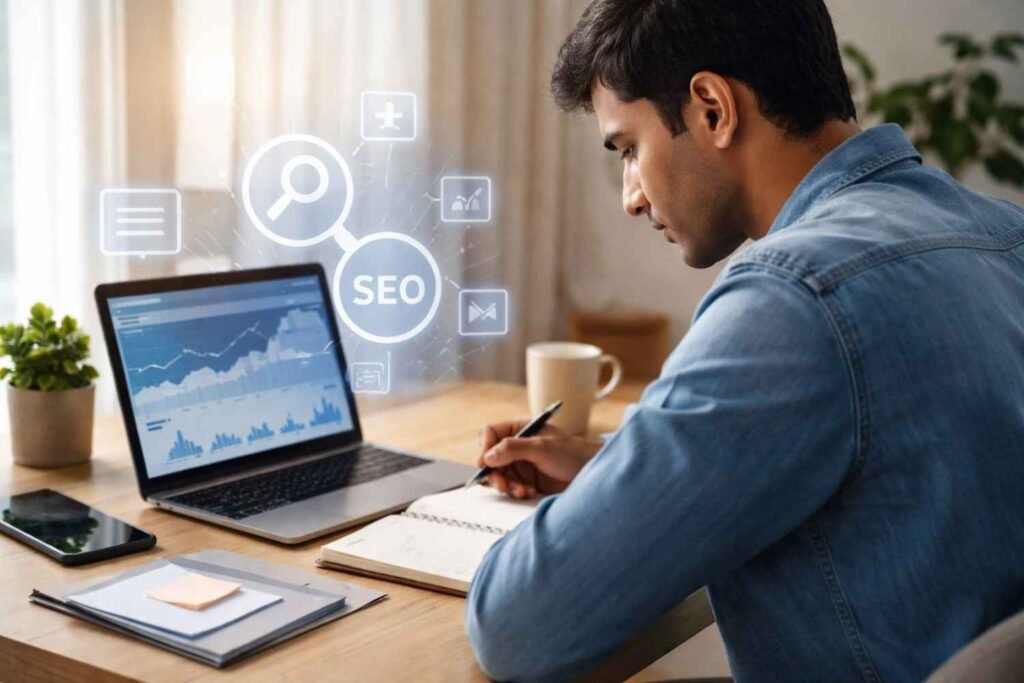
SEO in 2026 looks nothing like it did a few years ago. Search engines no longer reward pages that repeat keywords. They reward pages that solve real problems clearly and completely.
Intent-based optimization means understanding what someone actually wants when they search. A query like “best bookkeeping software for small businesses in Texas” carries very different expectations than a generic product comparison. Pages that answer those expectations directly are the ones appearing in AI Overviews and voice-based results.
Topical authority now matters more than individual rankings. Instead of publishing one isolated blog post, businesses are building content hubs that cover an entire subject from every angle. When your site consistently answers related questions, search engines begin to trust it as a reliable source.
Site experience also plays a direct role. Fast load times, mobile usability, and clear navigation are no longer optional. Core Web Vitals influence whether strong content actually gets visibility or quietly sinks below competitors.
Build Owned Growth Through Email and Newsletters
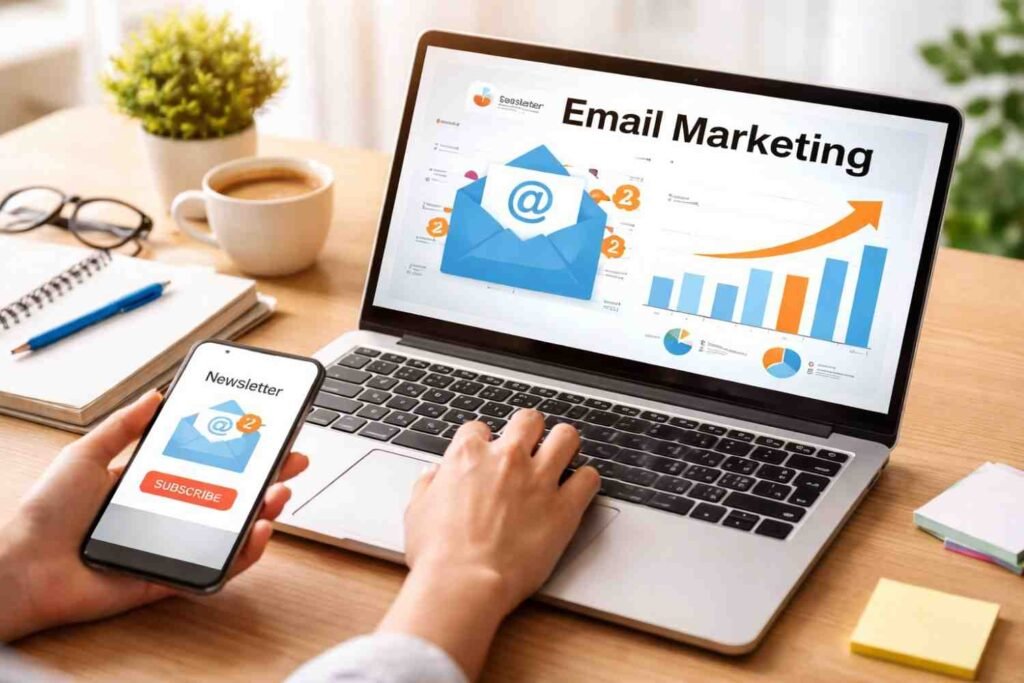
Email has become the backbone of sustainable online growth in the US. Unlike social platforms, your list doesn’t belong to anyone else. It’s a direct line to people who already trust you enough to stay connected.
Modern email growth isn’t about sending the same message to everyone. Businesses now segment based on behavior; what someone clicked, how they interacted with past content, or whether they’ve purchased before. These signals allow for timely, relevant communication that feels personal instead of promotional.
Automation plays a major role here. Welcome sequences, re-engagement emails, and post-purchase follow-ups often generate higher returns than broadcast campaigns. Many businesses also use newsletters as standalone assets. Platforms like Substack have made it easier to turn consistent insights into long-term audience relationships and even direct revenue.
Leverage High-Trust Ecosystems for Faster Growth
When trust already exists, growth accelerates. Instead of building credibility from scratch, smart businesses tap into ecosystems where audiences already feel confident making decisions.
Strategic partnerships remain one of the most underused growth levers. Collaborating with non-competing brands that serve the same US audience allows both sides to expand reach without additional ad spend. These collaborations often convert better because the recommendation comes from a trusted source.
Referral and affiliate programs also continue to outperform many paid channels. Customers who refer friends tend to bring in higher-quality leads, especially when incentives benefit both parties. Even modest rewards can significantly increase participation when the experience feels natural.
Marketplaces still play a role as well. Platforms like Amazon, Etsy, or niche B2B directories attract buyers who are already searching with intent. While margins may be lower, these platforms often serve as strong entry points into longer-term owned channels.
Create Content That Feels Human and Useful
Audiences in 2026 are quick to spot content that feels manufactured. Polished marketing language often creates distance instead of trust. What performs better now is content that sounds like it came from someone who understands the problem firsthand.
Interactive formats help bridge that gap. Tools like calculators, quizzes, or simple assessments keep people engaged longer and encourage deeper exploration. They also provide valuable insight into user intent, which can guide future content and offers.
Content works best when it supports the full buyer journey. Educational posts attract early interest, practical case studies help with evaluation, and demos or walkthroughs support confident decisions. Businesses that map content intentionally see stronger conversion without increasing traffic.
Community has also become a quiet growth engine. Private forums, Discord servers, or member-only spaces allow customers to learn from each other. Over time, these communities reduce support load and increase loyalty without aggressive promotion.
Build Systems That Scale Without Burning You Out
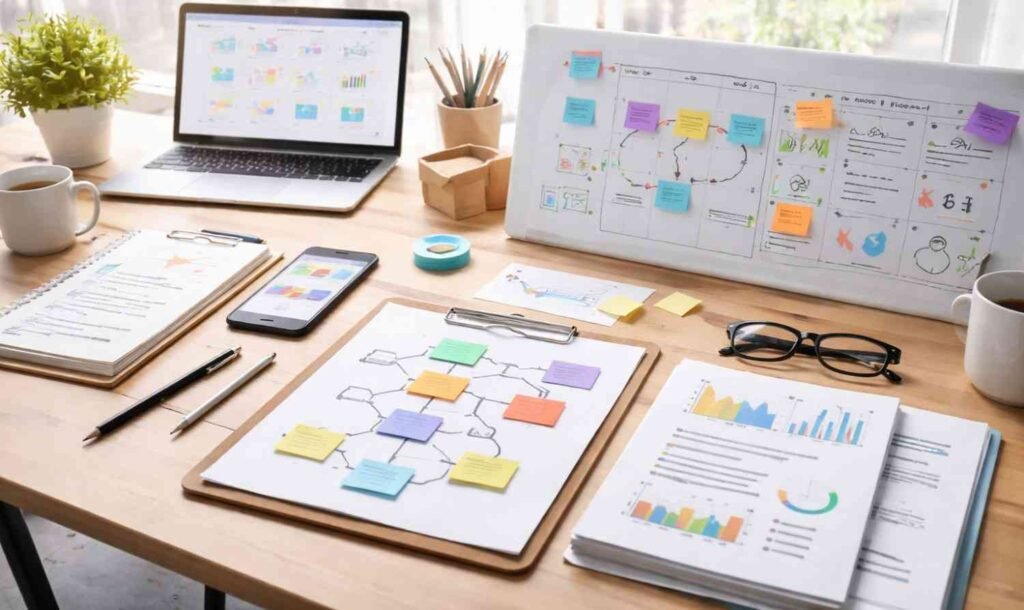
Growth becomes fragile when everything depends on constant effort. Sustainable businesses document how things work, so progress doesn’t stall when conditions change.
Standard operating procedures bring clarity to fulfillment, marketing, and support. They allow teams to maintain quality as volume increases. Automation takes this further. AI-powered tools now handle routine support, predict demand, and surface insights that would take humans far longer to uncover.
The goal isn’t replacing people. It’s removing bottlenecks. When systems run smoothly, teams focus on strategy instead of firefighting. That’s where real scaling happens.
Frequently Asked Questions (FAQs)
1. How long does it take to grow an online business without ads?
Most US businesses begin seeing traction within three to six months once SEO, email, and partnerships align. Compounding growth typically appears after consistent execution over time.
2. Is SEO still worth it with AI search results?
Yes. AI search relies heavily on authoritative content. Businesses that structure content around intent and topical depth continue to gain visibility in AI-driven results.
3. Can small businesses compete without social media?
They can. Many service providers, SaaS companies, and niche eCommerce brands now grow primarily through search, email, referrals, and partnerships.
4. What matters more: traffic or conversion?
Conversion. A smaller, high-intent audience often outperforms large volumes of unfocused traffic, especially when growth relies on owned channels.
Final Thoughts
Growing an online business beyond ads and social media isn’t about rejecting those channels completely. It’s about removing dependency. Businesses that win in 2026 build systems that work even when platforms change, budgets tighten, or trends fade. They invest in assets that improve with time and relationships that don’t vanish overnight.
When growth comes from what you own, it stops feeling fragile. It becomes something you can build on with confidence.