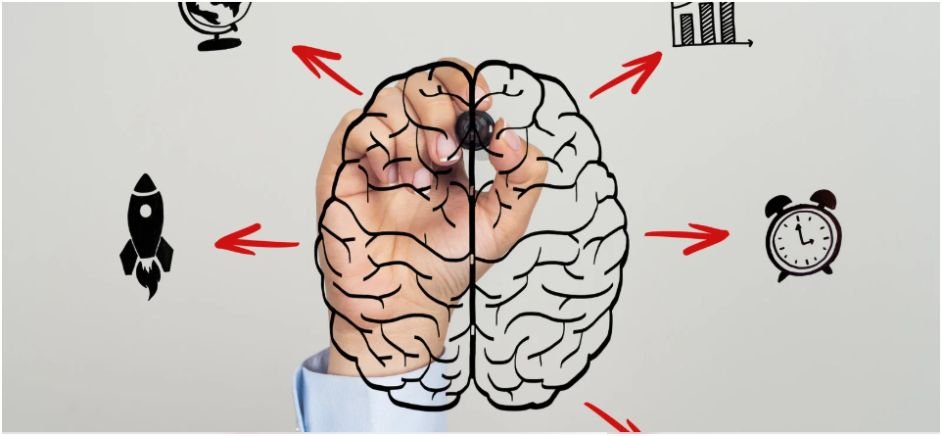

In today’s fast-paced world, maintaining mental health while balancing daily responsibilities can feel overwhelming. The constant juggling of work, family, and personal life often leaves little room for self-care. However, by incorporating simple, proven strategies into your routine, achieving a balanced life is not only possible but achievable. It’s all about making small, intentional changes that support your physical and emotional well-being. In this guide, we’ll walk you through effective mental health tips that can help you prioritize your well-being and create a healthier, happier lifestyle.
Why Mental Health Tips for a Balanced Life Are Essential

A balanced life is essential for both mental and physical well-being. Poor mental health can lead to burnout, anxiety, and even physical ailments. In contrast, prioritizing your mental wellness can enhance your overall quality of life, improve emotional stability, and foster deeper connections with others.
However, finding the right balance can be challenging. You may be juggling work, family, and personal life, which can make self-care feel like an afterthought. That’s where these mental health tips come in; they can help you develop habits that support a balanced life, even when life gets busy.
Prioritize Sleep for Better Mental Health
Sleep is the cornerstone of a balanced life. Research shows that lack of sleep can impair cognitive function, increase stress, and contribute to emotional instability. To improve your mental health, aim for 7-9 hours of sleep each night.
Tips for Better Sleep
- Create a Consistent Routine: Go to bed and wake up at the same time every day, even on weekends.
- Reduce Blue Light Exposure: Avoid screens at least 30 minutes before bedtime to promote better sleep quality.
- Make Your Bedroom Comfortable: Keep the room cool, dark, and quiet to optimize sleep conditions.
Prioritizing sleep not only boosts your mood but also improves cognitive function, enabling you to better handle stress and make clearer decisions.
Eat Well to Support Your Mental Health
Your diet plays a crucial role in your mental health. A Mediterranean-style diet rich in vegetables, fruits, lean proteins, and omega-3 fatty acids has been shown to support brain function and reduce symptoms of depression and anxiety.
Key Foods for Mental Wellness
- Leafy Greens: High in folate, which can help with mood regulation.
- Salmon: Packed with omega-3s, known to boost brain health.
- Nuts and Seeds: Full of magnesium, which is essential for reducing stress levels.
By making mindful food choices, you provide your body with the nutrients it needs to manage stress and maintain mental clarity.
Stay Active: Exercise for a Healthier Mind

Regular physical activity is another essential component of a balanced life. Exercise helps regulate stress hormones like cortisol and triggers the release of endorphins, the body’s natural mood boosters. Aim for at least 30 minutes of moderate exercise most days of the week.
Fun Ways to Stay Active
- Walking or Hiking: A simple way to enjoy nature while improving mental clarity.
- Yoga or Pilates: Perfect for both physical fitness and mindfulness practice.
- Dance or Zumba: Enjoyable activities that combine movement and music for stress relief.
Exercise not only strengthens your body but also helps improve emotional resilience and mental well-being.
Manage Stress with Mindfulness
In our digital age, it’s easy to become overwhelmed by constant notifications and information. Mindfulness practices like deep breathing, meditation, and mindful movement can help reduce stress and improve focus. These techniques are particularly useful for calming the nervous system and preventing burnout.
Mindfulness Techniques for Stress Relief
- Deep Breathing: Practice the 4-7-8 technique — inhale for 4 seconds, hold for 7, and exhale for 8.
- Meditation: Set aside 10 minutes daily to practice mindfulness, focusing on your breath or a guided meditation.
- Body Scan: Focus on each body part, noticing any tension and consciously relaxing it.
By regularly practicing mindfulness, you can develop a sense of calm, improve emotional regulation, and gain greater control over your responses to stress.
Set Healthy Boundaries and Learn to Say “No”
One of the most powerful mental health tips for a balanced life is learning to set boundaries. When you take on too many commitments or overextend yourself, it can lead to stress, burnout, and resentment. Setting boundaries helps protect your energy and ensures you have time for self-care and the things that matter most.
Tips for Setting Boundaries
- Be Clear and Direct: When declining invitations or requests, be firm but polite.
- Prioritize Your Needs: Recognize that it’s okay to say “no” to preserve your well-being.
- Communicate Openly: Let others know your limits and the importance of respecting your time.
Setting boundaries is not selfish; it’s an essential part of self-care that allows you to maintain balance and avoid burnout.
Foster Meaningful Connections
Maintaining strong relationships with friends and family is essential for emotional well-being. Positive social interactions promote happiness, reduce stress, and increase feelings of belonging.
Strengthen Your Relationships:
- Spend Quality Time Together: Schedule regular family dinners or outings with friends to nurture connections.
- Practice Active Listening: Be present during conversations and show empathy toward others.
- Offer Support: Helping others not only benefits them but can also improve your own mental health.
Make Time for Hobbies and Fun Activities
A balanced life isn’t just about work and responsibilities. Engaging in hobbies and fun activities is crucial for mental well-being. Whether it’s painting, gardening, or reading, make sure to set aside time for activities that bring you joy.
Fun Hobbies to Try
- Creative Arts: Painting, writing, or crafting can be therapeutic.
- Sports: Join a recreational league or simply take a weekend walk to stay active.
- Music: Play an instrument or enjoy listening to your favorite tunes.
Taking time to unwind and engage in enjoyable activities helps reduce stress and fosters emotional resilience.
Seek Professional Help When Needed

While self-care strategies are crucial, sometimes professional help is necessary. If you’re struggling to manage stress, anxiety, or other mental health challenges, consider speaking to a therapist or counselor. Seeking support is a sign of strength and can provide valuable tools for coping with life’s difficulties.
When to Seek Help
- Persistent Feelings of Sadness or Hopelessness: If you’ve been feeling down for weeks without relief.
- Overwhelming Stress: When stress is interfering with your daily functioning.
- Difficulty Coping: If you’re finding it hard to manage work, relationships, or self-care.
Remember, therapy is a tool for mental wellness, just like exercise or nutrition, and it can make a significant difference in your life.
FAQ’s
1. How to live a good life with mental illness?
Living a good life with mental illness involves seeking professional help, staying connected with supportive people, managing stress, and practicing self-care. It’s also important to focus on things that bring you joy and purpose while maintaining a healthy routine.
2. What are the five golden rules of mental health?
The five golden rules of mental health are:
- Prioritize your sleep and physical health.
- Stay active and engage in regular exercise.
- Manage stress through relaxation and mindfulness.
- Cultivate positive relationships and social connections.
- Practice gratitude and maintain a positive mindset.
3. What are the 4 walls of mental health?
The four walls of mental health are:
- Emotional support from family and friends.
- Physical well-being, including sleep and nutrition.
- Mental health care, including therapy or counseling.
- A positive environment, with healthy routines and stress management.
4. What are the three main points of mental health?
The three main points of mental health are:
- Emotional well-being – managing emotions and stress.
- Psychological well-being – resilience and self-esteem.
- Social well-being – maintaining healthy relationships and support systems.
Conclusion
Incorporating these mental health tips into your daily routine can help you create a balanced life. By prioritizing sleep, nutrition, exercise, and mindfulness, setting healthy boundaries, and fostering meaningful connections, you’ll be on your way to improving your mental well-being. Remember, achieving balance is a journey, not a destination — take it one step at a time and be patient with yourself.