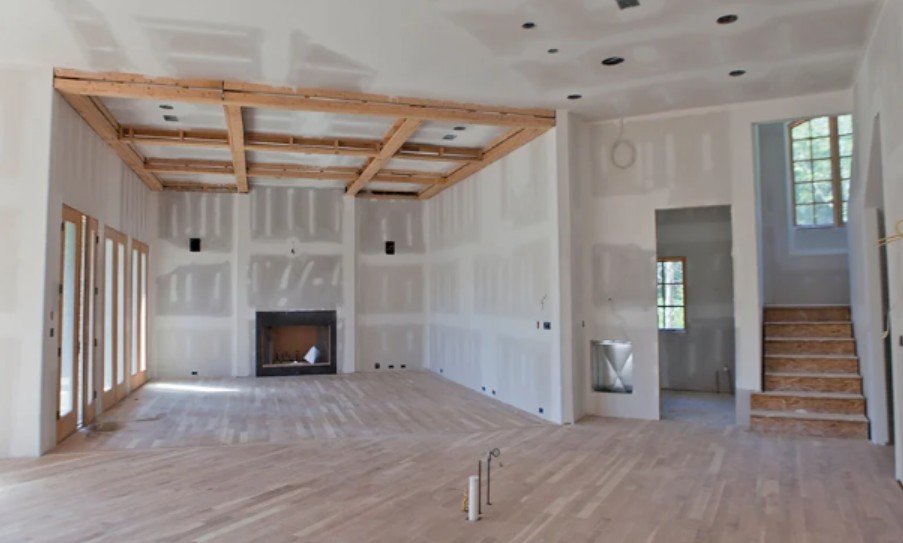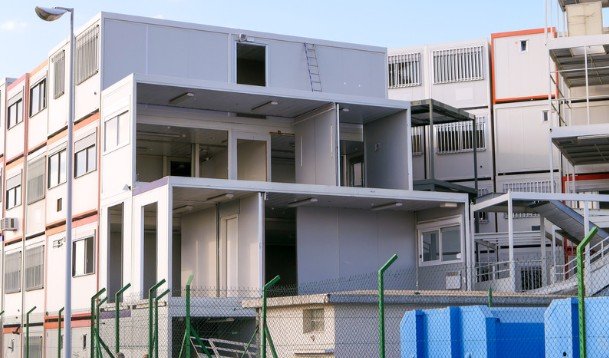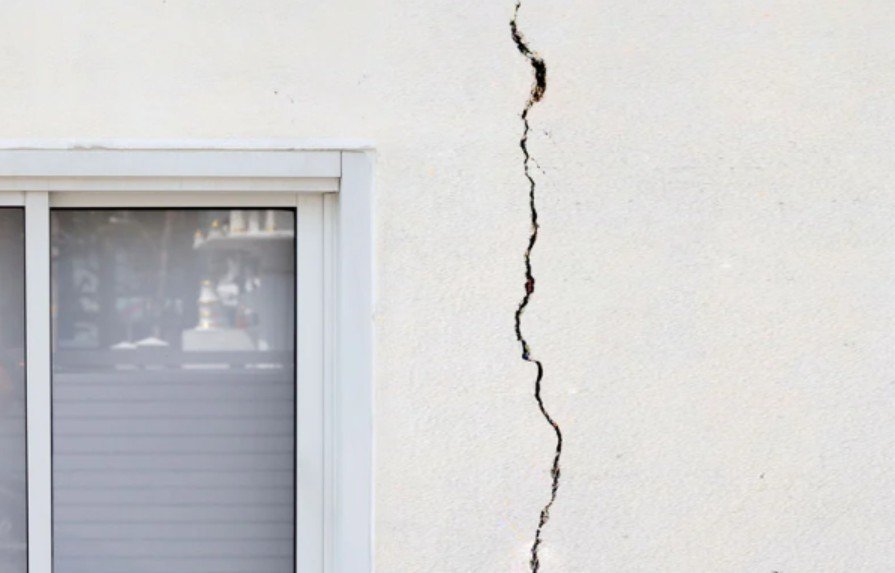
I know how unsettling it feels to notice a crack across a brand-new garage floor or basement wall. After investing in construction, you expect solid workmanship. Understanding the common causes of concrete cracks in new construction helps you ask better questions without assuming every line means foundation failure.
Moisture loss, temperature changes, ground movement, and installation decisions can all contribute. The key is identifying when cracking appeared, whether it is changing, and what else is happening nearby.
Why Can Newly Poured Concrete Crack?
Concrete gains strength through hydration, a chemical reaction between cement and water. It also changes volume as moisture and temperature conditions change. When restraint creates tensile stresses greater than the concrete can resist, cracks develop.
A basement floor slab, driveway, and load-bearing foundation wall perform different jobs. Similar-looking cracks can therefore have different consequences. Timing and appearance provide clues, but photographs alone cannot confirm a diagnosis.
Seven Construction Issues Behind Concrete Cracks
1. Rapid Surface Moisture Loss
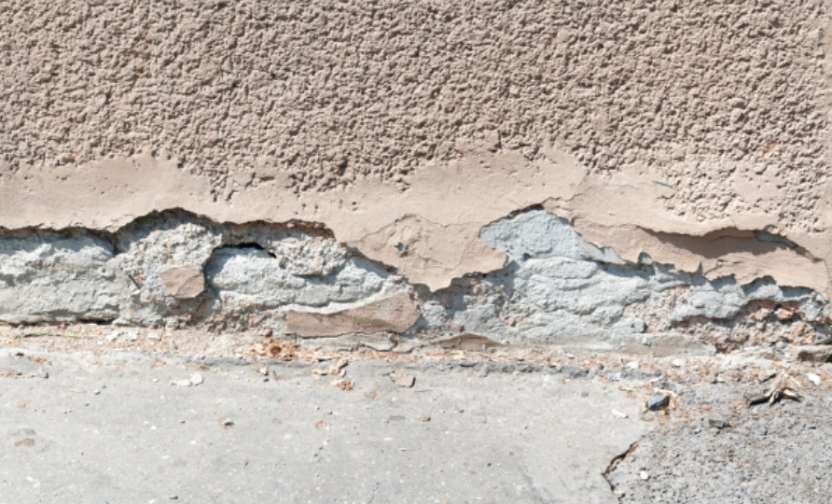
Plastic shrinkage cracking develops while concrete is still fresh, before it sets. Surface evaporation can outpace replacement by bleed water, particularly during windy weather, low humidity, or strong sunshine.
This risk matters on exposed driveways, patios, and slabs. Crews should plan protection around actual weather conditions. Windbreaks, shading, fogging when appropriate, and timely curing help manage moisture loss. A crack noticed days later may have formed much earlier.
2. Excess Water in the Concrete Mix
Adding uncontrolled amounts of water makes concrete easier to place but can increase shrinkage and weaken the finished material. The approved mix proportions matter more than how conveniently the concrete flows.
Ask whether any jobsite water additions stayed within the supplier’s permitted limits and were recorded. Approved water-reducing admixtures can improve workability without relying on excessive water. Avoid assuming that every authorized water adjustment automatically indicates defective work.
3. Inadequate Curing and Later Drying Shrinkage
Curing maintains suitable moisture and temperature conditions so concrete can develop its intended properties. Allowing the surface to dry prematurely can undermine that process.
Drying shrinkage also occurs after hardening and may continue for months. Restraint from adjoining elements or the supporting surface can turn contraction into cracking. Proper curing reduces risk, but it cannot guarantee crack-free concrete. The method and duration should follow the project specifications and conditions.
4. Missing, Late, or Poorly Positioned Joints
Contraction joints create planned locations for shrinkage cracks in slabs. Random cracking becomes more likely when joints are omitted, spaced poorly, cut too shallowly, or installed after cracking begins.
Inside corners, irregular slab shapes, and penetrations deserve particular attention. Isolation joints serve a different purpose by separating a slab from adjoining elements where movement must be accommodated. Ask for the joint plan and installation details rather than judging quality from surface lines alone.
5. Uneven Support Beneath the Slab
Concrete needs support appropriate to its design. Poorly compacted fill, buried debris, erosion, or inadequately prepared utility trenches can leave areas vulnerable to movement.
Expansive clay in parts of Texas and Colorado can swell or shrink as moisture changes. In colder regions, frost movement can affect inadequately protected supporting ground. Drainage and local soil conditions matter.
Choosing a suitable foundation starts with understanding the soil, groundwater, and drainage conditions beneath the property. Different foundation systems respond differently to these site conditions, so the design should be based on a proper assessment rather than assumptions. Learn more about how to choose the right foundation for a new home before construction begins.
Uneven crack edges or visible sinking warrant assessment of the support beneath the concrete.
6. Temperature Changes and Thermal Stress
Concrete expands when heated and contracts when cooled. Hydration also generates heat, and temperature differences between a member’s interior and surface can create stress.
Large foundation elements require different temperature planning from thin residential flatwork. Hot-weather placement, sudden cooling, and inadequate cold-weather protection can introduce problems. Builders should follow a weather-specific placement and protection plan rather than treating every season identically.
7. Placement, Reinforcement, and Loading Problems
Fresh concrete can settle around reinforcing bars, producing plastic settlement cracks. This differs from soil settlement beneath a finished slab. Formwork movement and abrupt changes in section depth can also contribute.
Incorrect reinforcement placement, design deficiencies, poor consolidation, and premature construction loads require consideration.
Concrete defects discovered during construction can sometimes require additional labor, materials, testing, or corrective work. These expenses may not be included in the original estimate, so it is sensible to plan for unexpected costs. This guide explains how to budget for unexpected construction expenses and prepare for financial surprises during a building project.
Reinforcement generally controls crack behavior rather than eliminating every crack. Heavy equipment or stacked materials should stay off concrete until the responsible contractor confirms adequate strength for the planned loading.
Which Warning Signs Deserve Attention?
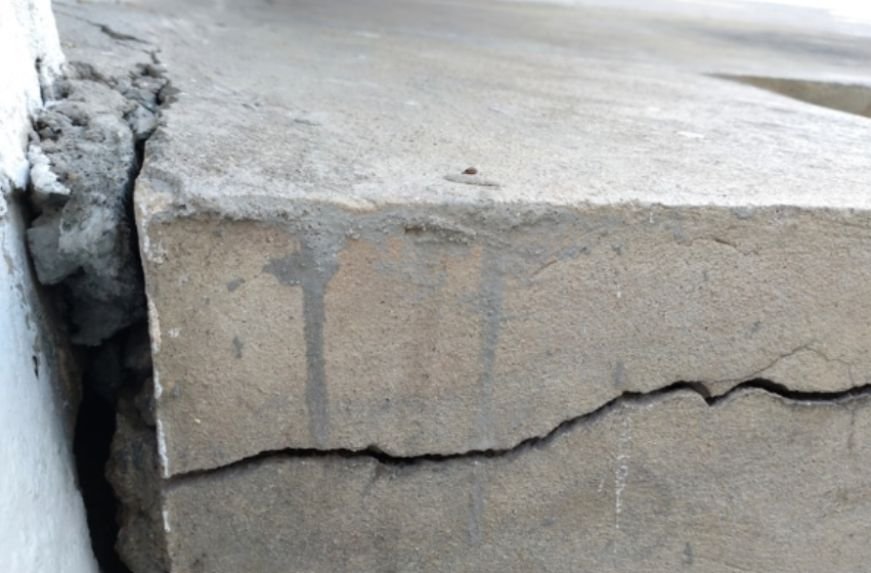
The common causes of concrete cracks in new construction overlap, so avoid assigning a cause from width alone. Growth, displacement, location, and associated symptoms matter.
Water entering through a concrete crack may point to a wider moisture-management issue around the building. Roof defects, including poorly installed flashing or damaged roofing materials, can also allow water to penetrate and affect surrounding structures. Learn about common roofing installation mistakes and warning signs to understand other potential sources of water intrusion.
Arrange professional evaluation when cracks widen, one side rises or sinks, water enters, or nearby building components show movement. Horizontal cracking in a foundation wall, bowing, or distress in structural members also warrants prompt attention. A licensed structural engineer can assess structural concerns; soil-related movement may require geotechnical input.
What Should You Ask Your Builder?
Photograph each crack with a ruler for scale, record its location and discovery date, and keep dated comparisons. Share your observations in writing.
Request the placement date, mix information, curing method, joint details, and relevant inspection records. Ask whether repairs address the underlying cause and how movement will be monitored. Review your written warranty and reporting deadlines. Avoid covering cracks before they have been documented and assessed.
Frequently Asked Questions
1. What are the common causes of concrete cracks in new construction?
Frequent contributors include moisture loss, restrained shrinkage, excess mix water, inadequate curing, poor joints, uneven support, and temperature stress. Placement errors or early loading may also contribute.
2. Does a hairline crack mean poor workmanship?
Not necessarily. Some small cracks occur despite appropriate construction practices. Their significance depends on location, movement, exposure, and function.
3. Should new concrete cracks be filled immediately?
Document them first. Repair selection depends on whether the crack is active, leaking, structural, or mainly cosmetic. Filling alone cannot correct ongoing movement.
My Final Take
I would treat a new crack as something to investigate calmly and document carefully. Clear builder communication and timely assessment help distinguish manageable shrinkage from problems needing corrective work. That approach protects both safety and value.