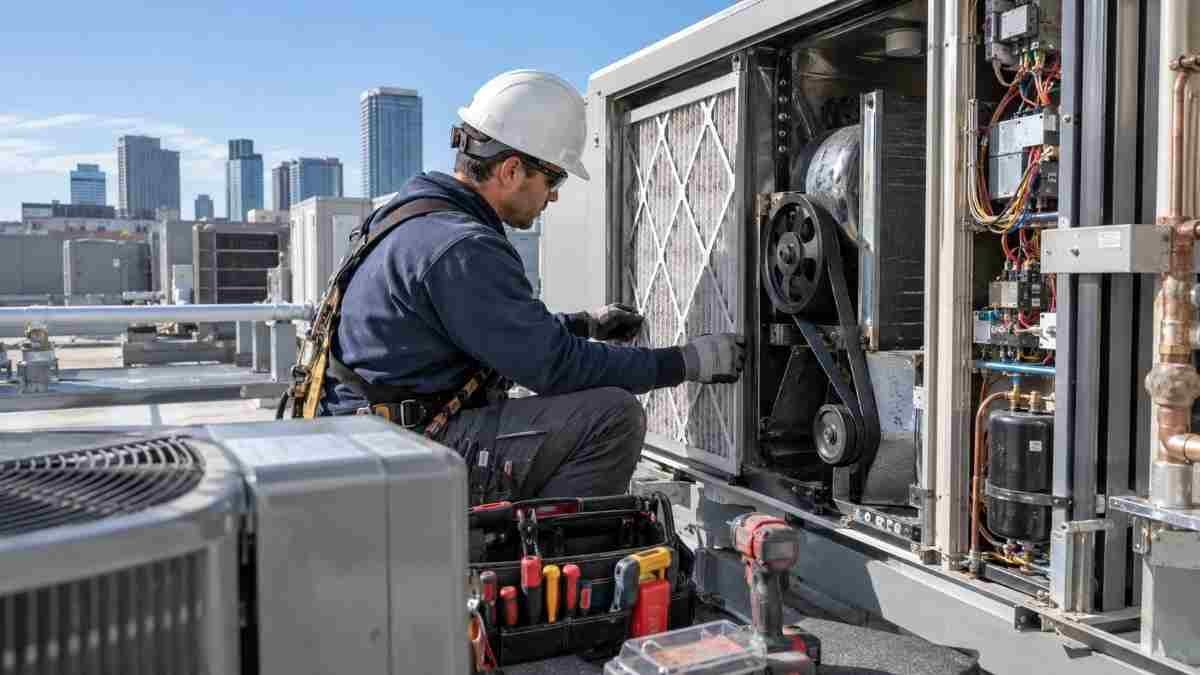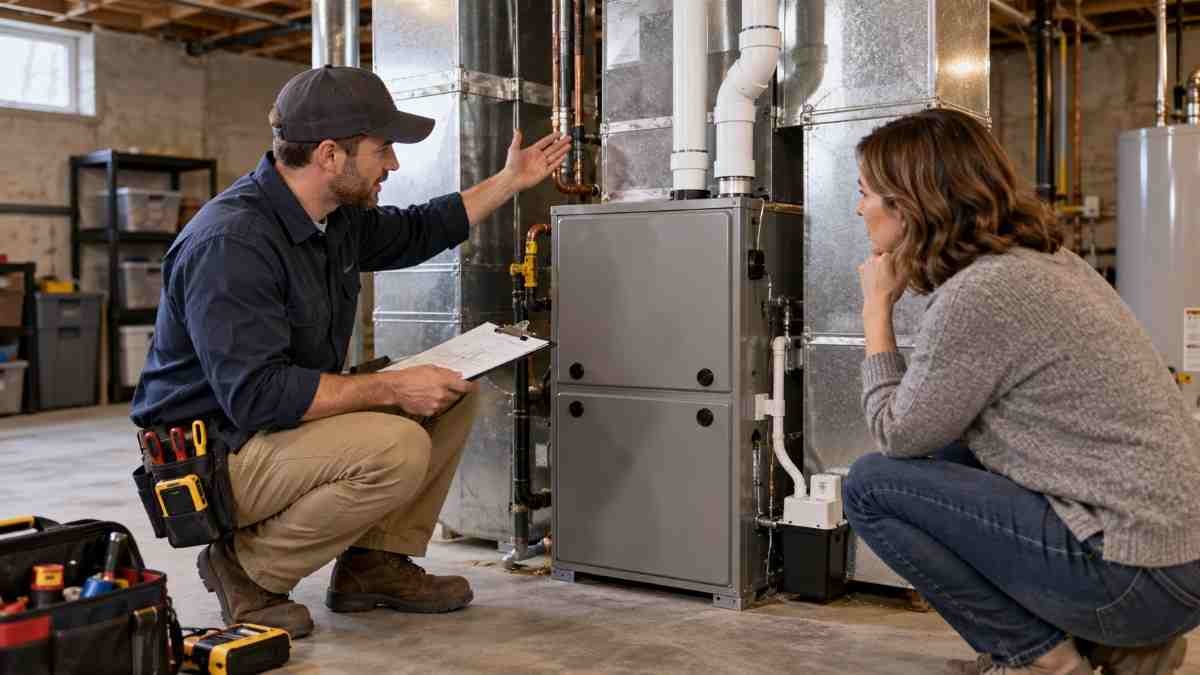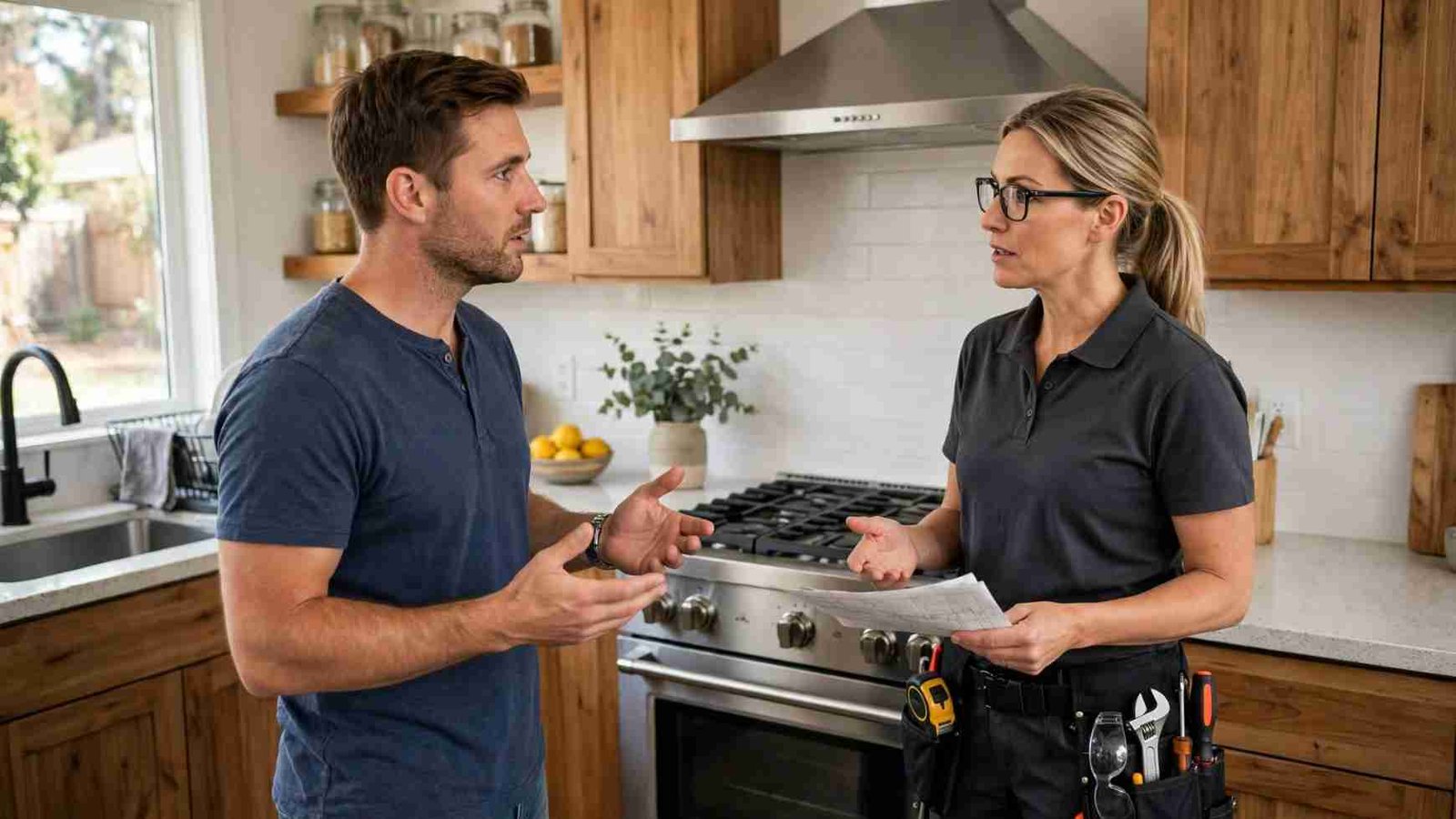
A home project involving a gas appliance should begin with questions about the gas supply and the people qualified to work on it. Moving a range, adding an outdoor appliance, or changing equipment can involve more than extending a visible pipe. Capacity, location, installation requirements, and inspections may all need review.
Planning questions belong in a scheduled discussion. A suspected gas leak is different: leave the area and contact the gas utility or emergency services from a safe location. Do not operate switches, create flames, or try to locate and repair the leak yourself.
Define the proposed change before ordering equipment

Collect appliance specifications and explain where the equipment would be located. Ask a qualified professional whether the existing system is suitable and what approvals or inspections the project requires. Keep the discussion tied to the specific appliance and site rather than assuming a previous installation provides a model, especially when considering aging gas lines or safety risks.
When arranging gas line repair in Midvale, ask who will assess the system, perform the work, and coordinate required inspections. Clarify whether related tasks are included in the scope. Homeowners should understand the process and responsibilities without attempting to size piping or select fittings themselves. A clear plan allows equipment choices and installation decisions to be reviewed together.
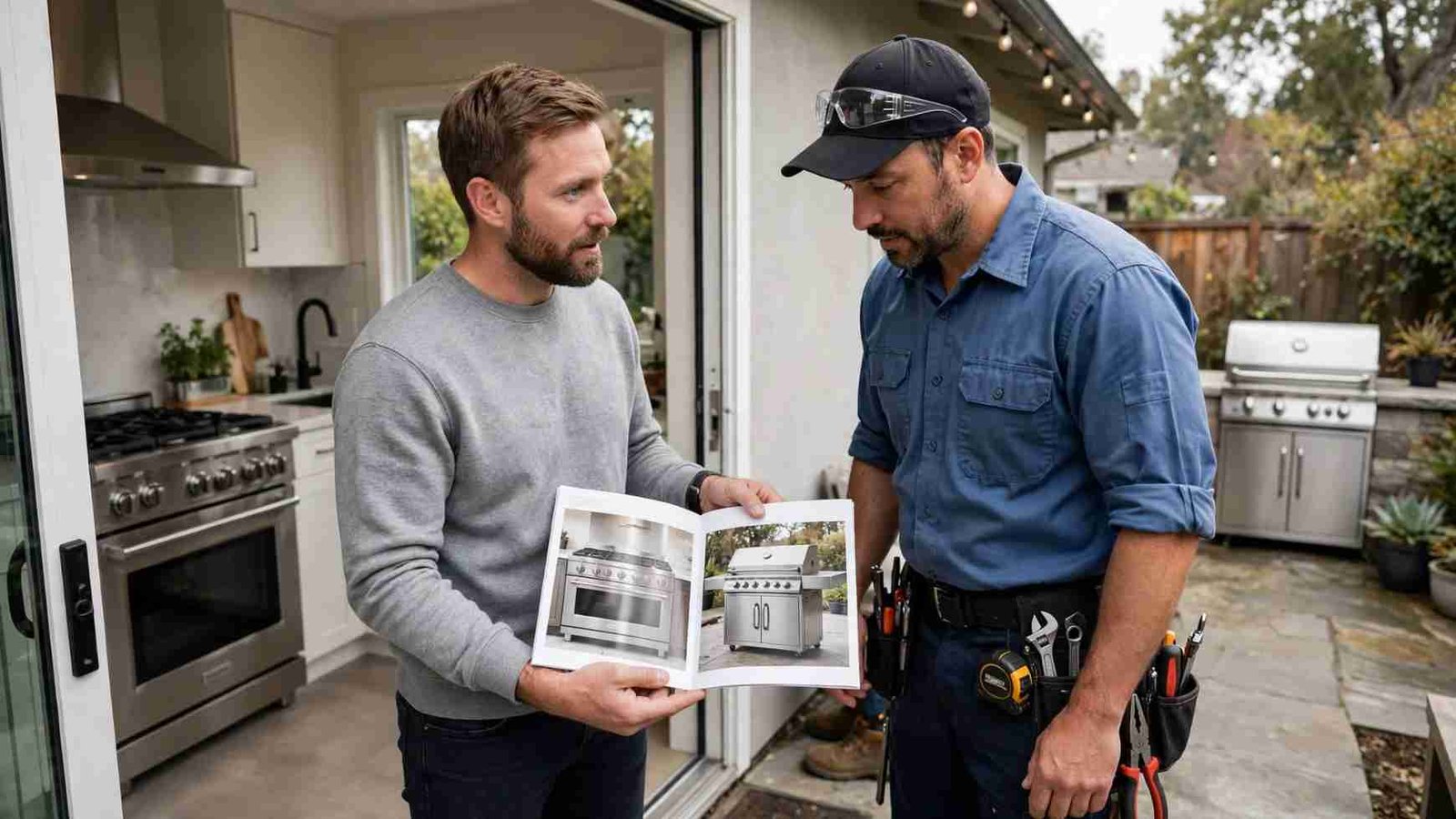
A useful planning example is a homeowner replacing a range while considering a future outdoor grill. Tell the professional about both ideas, even if only one is being installed now. The second appliance may affect the questions that need investigation, but mentioning it does not mean the homeowner should choose piping dimensions or order connection parts.
When planning a kitchen project that involves a gas range, understanding recipe instructions can also help homeowners think through their cooking needs and appliance choices. These tips on how to read a cooking recipe can help clarify cooking methods and equipment requirements before finalizing kitchen plans.
Bring the manufacturer’s installation information for the exact equipment under consideration. Ask which decisions must be settled before the professional can provide a meaningful scope. Confirm who will handle any required utility coordination and inspection. Keeping appliance selection and gas-system evaluation connected helps avoid buying equipment before its installation requirements have been properly reviewed.
Make the scope visible
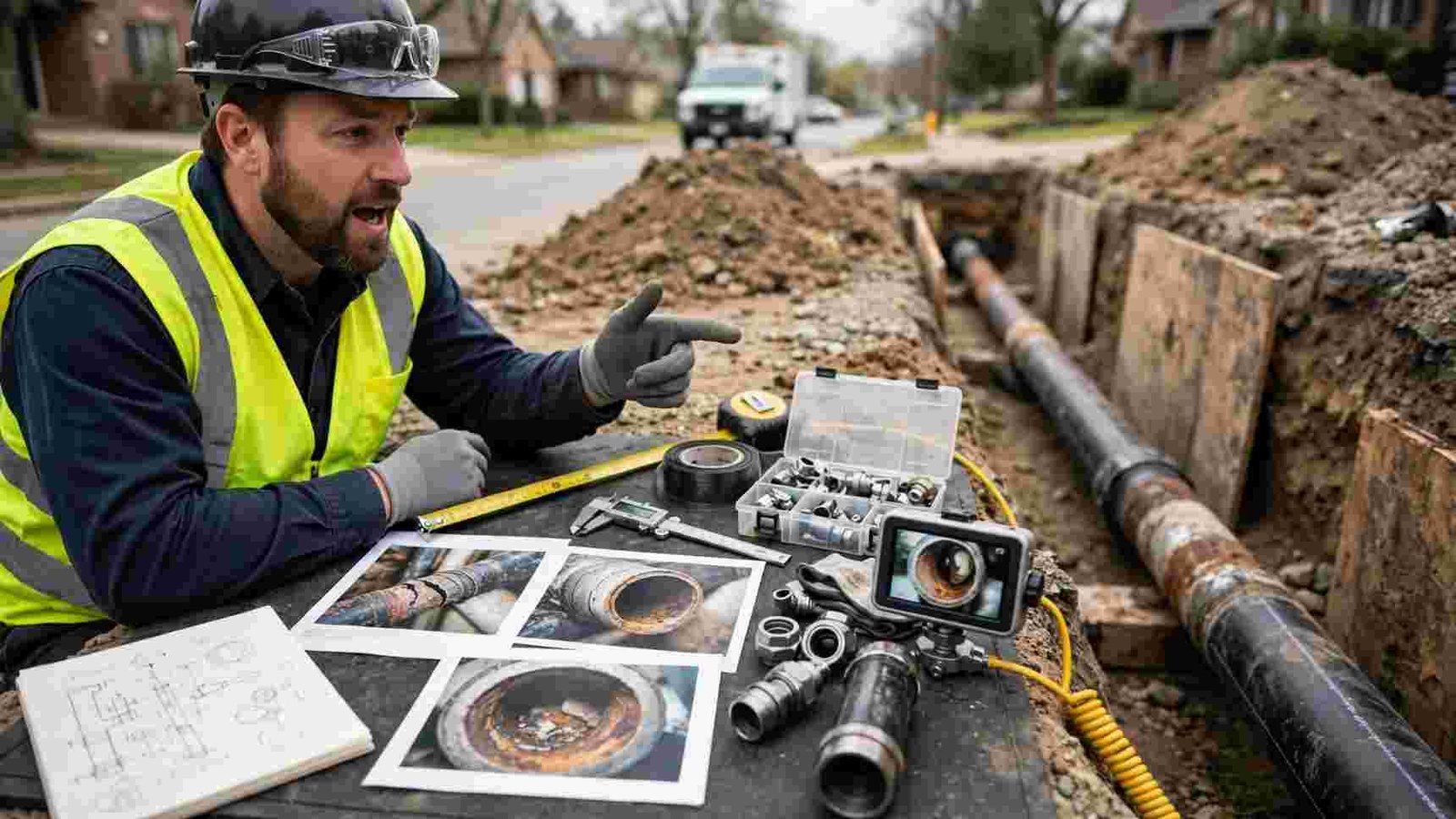
Before approving work, ask for a description of what will be inspected, repaired, replaced, and left alone. Photos and measurements help, but they do not reveal every concealed condition. A proposal should explain which assumptions depend on further inspection and how discoveries will be handled.
When planning gas line work alongside laundry or utility-area upgrades, homeowners should also consider the quality and compatibility of the fixtures being installed. This guidance on choosing quality laundry tapware in Australia offers useful considerations for selecting laundry taps that suit the space and its intended use.
Keep functional requirements separate from appearance preferences. The first group may include water management, safe access, or compatibility with existing materials. The second may include color or finish. Both matter, but knowing the difference makes it easier to preserve essential work if the budget needs adjusting.
Compare the work behind the price
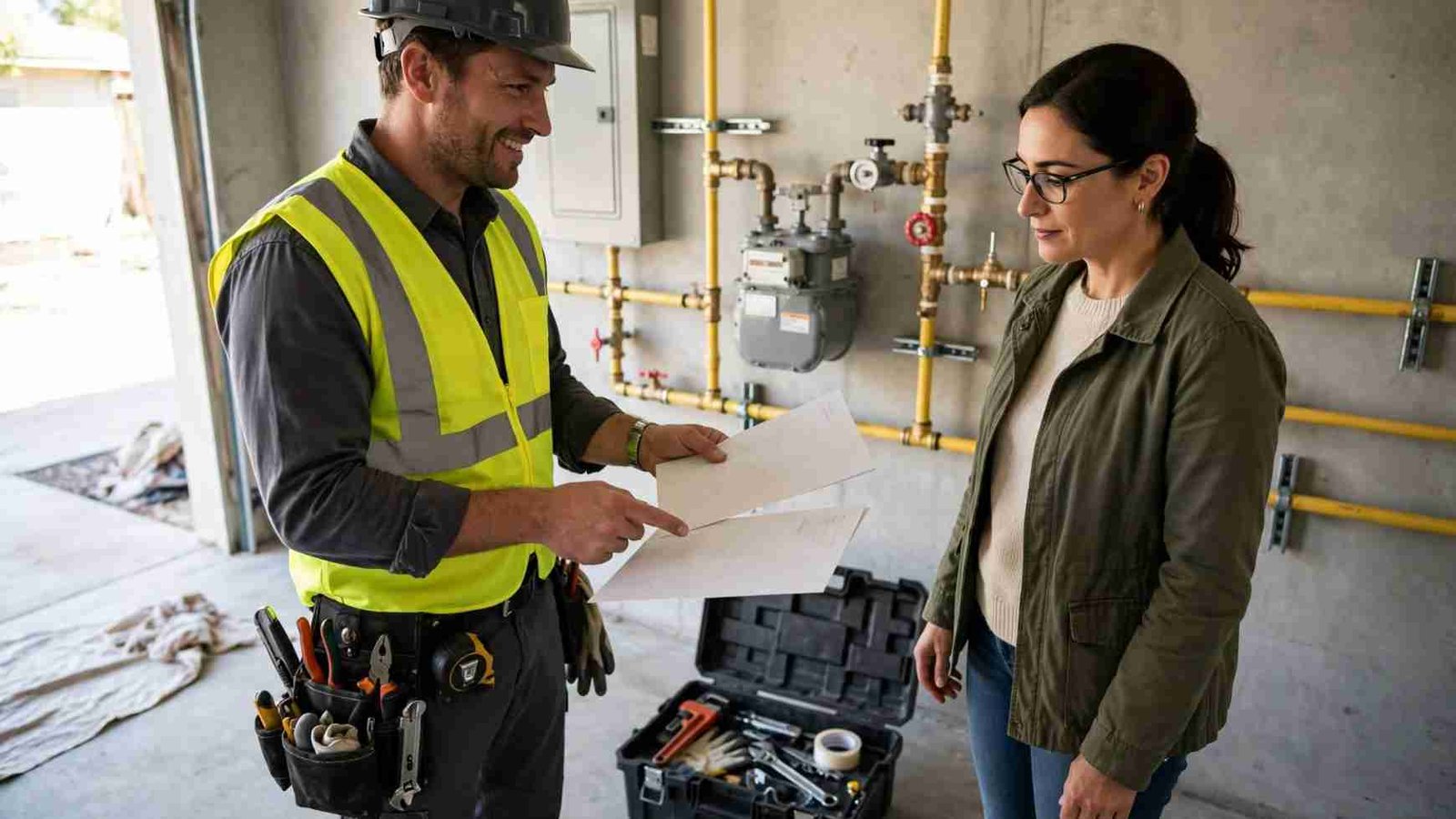
Two prices are difficult to compare when they describe different jobs. Check whether preparation, protection of nearby surfaces, disposal, and restoration are included. Ask who coordinates related trades and whether required permits or inspections are part of the quoted scope. Requirements depend on the work and location.
Discuss access and household disruption as well. Contractors may need clear pathways, parking, or temporary use of utilities. Pets, children, and work-from-home schedules can affect daily arrangements. Addressing these details before work begins gives everyone a clearer understanding of what the project involves beyond the finished result.
Keep a short project checklist
- Record the existing condition with dated photographs from safe locations.
- Save the agreed scope, product details, and relevant drawings together.
- Ask how changes will be priced and approved before additional work.
- Confirm who will answer questions while the work is underway.
- Request care instructions and applicable warranty documents at completion.
Plan for the completed work
Ask what routine care the finished work will need and which early signs should prompt a follow-up call. Some materials require specific cleaners or maintenance methods. Other components need periodic inspection rather than frequent treatment. Written instructions are easier to follow than a brief conversation during cleanup.
Before the final walkthrough, compare the completed work with the agreed scope and note any unresolved items. Keep photographs of concealed work when available, along with invoices and product information. These records can help with future repairs or changes. A successful project leaves the homeowner with both a functional result and enough information to look after it responsibly.
Ask what conditions would make the proposed approach unsuitable. A responsible explanation may identify damage that cannot be evaluated until an area is opened or an existing component is removed. Agree on the point at which work would pause for a new decision. Keeping that boundary clear is especially useful when several repairs depend on each other. It lets the homeowner understand the limits of the initial proposal without treating every unknown as a reason to approve additional work in advance.
Ask 1st American Plumbing to review your proposed gas-appliance project before ordering equipment or planning installation work.