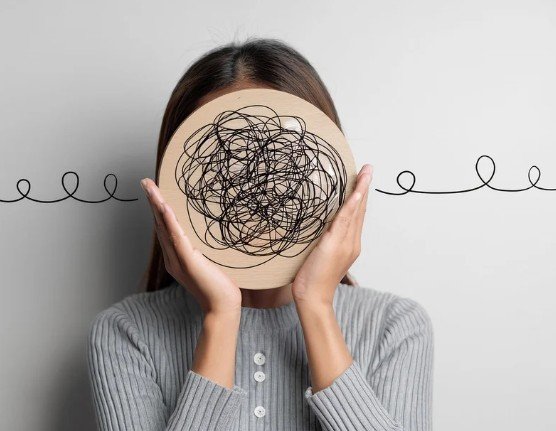

Anxiety doesn’t usually announce itself in dramatic ways. Most days, it shows up quietly, tight shoulders during a morning commute, racing thoughts between meetings, or that constant sense of being behind, no matter how much you get done.
When life is busy, anxiety often blends into the background, making it harder to recognize and even harder to manage. I’ve learned that ignoring it doesn’t make it disappear; it just makes everyday life feel heavier.
In the US, where long work hours, packed schedules, and constant digital noise are part of daily life, anxiety often becomes a side effect of “keeping up.” The reality is that most people don’t have the option to slow everything down.
That’s why learning how to deal with anxiety in everyday life isn’t about changing your entire lifestyle; it’s about making small, realistic adjustments that fit into the life you already have.
Why Anxiety Feels Worse When Life Gets Busy
A busy schedule keeps your nervous system in a near-constant state of alert. When deadlines, family responsibilities, and social expectations stack up, your body starts treating everyday stress like a threat. Over time, this can turn normal pressure into persistent anxiety.
What makes this harder is that busyness is often rewarded in American culture. Being productive, responsive, and always “on” is seen as a strength. But without pauses built in, your mind never gets a chance to reset. Anxiety thrives in that space when there’s no room to breathe, reflect, or slow down even briefly.
Recognizing Anxiety In Daily Moments

Anxiety doesn’t always look like panic. Often, it shows up as irritability, restlessness, difficulty focusing, or physical tension. You might notice it while checking emails late at night, replaying conversations in your head, or feeling overwhelmed by simple decisions.
Recognizing these moments matters. The earlier you notice anxiety building, the easier it is to respond instead of reacting. Awareness alone doesn’t solve anxiety, but it gives you a starting point, and that’s essential when your time and energy are limited.
In-The-Moment Tools That Fit Into Any Schedule
When anxiety spikes during a busy day, you need tools that work quickly and quietly. These techniques don’t require privacy, extra time, or special equipment.
- Box breathing helps slow your heart rate and signal safety to your nervous system. A few rounds can be done during meetings, traffic, or while standing in line.
- The 3-3-3 rule grounds your attention by shifting focus away from anxious thoughts and into your surroundings.
- Sensory anchoring brings you back to the present by focusing on physical sensations during routine tasks like washing your hands or drinking coffee.
These tools don’t eliminate anxiety permanently, but they reduce intensity in the moment, which often prevents anxiety from taking over the rest of your day.
Building Anxiety Management Through Micro-Habits

Trying to “fix” anxiety all at once usually backfires. A more sustainable approach is using micro-habits, small actions that fit naturally into your existing routine. When habits are easy to repeat, they’re more likely to stick.
For example, taking three slow breaths every time you open your laptop or pausing for a moment when walking through a doorway creates regular check-ins with your body. These moments may seem minor, but over time, they train your nervous system to settle more easily.
Micro-habits work because they don’t compete with your schedule. They work within it.
Managing Work And Responsibility Without Burning Out
Work is one of the most common anxiety triggers, especially in fast-paced US workplaces. Long hours, constant notifications, and pressure to perform can push your stress levels higher than you realize.
Breaking tasks into smaller steps helps prevent the mental overload that fuels anxiety. Methods like focused work intervals followed by short breaks reduce the feeling of being trapped in never-ending to-do lists. Equally important is setting boundaries, learning when to say no, delegate, or delay tasks without guilt.
Anxiety often eases when your workload feels more manageable, even if the volume of work stays the same.
Protecting Your Mental Energy With Boundaries
Boundaries aren’t just about time; they’re about energy. Constant availability, whether to coworkers, family, or social obligations, leaves little space for recovery. Over time, this lack of recovery feeds anxiety.
Protecting your mental energy might mean limiting after-hours emails, scheduling short breaks during the day, or being honest about what you can realistically handle. These choices may feel uncomfortable at first, but they often prevent much larger emotional costs later.
Lifestyle Adjustments That Support A Calmer Mind

Daily habits outside of work play a major role in anxiety levels. Stimulants like caffeine and nicotine can heighten anxious feelings by triggering stress responses in the body. Reducing intake, especially later in the day, often makes anxiety easier to manage.
Sleep is another critical factor. Inconsistent sleep schedules and late-night screen use disrupt emotional regulation, making stress harder to cope with the next day. Simple habits like a digital cutoff before bed can noticeably improve both sleep quality and anxiety.
Movement also matters. You don’t need long workouts to benefit; short walks, stretching, or light activity throughout the day help release tension and support emotional balance.
Knowing When Self-Help Isn’t Enough
Every day strategies go a long way, but they’re not always sufficient. If anxiety consistently interferes with work, relationships, or daily functioning, professional support can be an important next step.
Therapy doesn’t mean you’ve failed at managing anxiety; it means you’re giving yourself more tools. Many people find that professional guidance helps them understand patterns, challenge anxious thinking, and build long-term resilience.
Frequently Asked Questions (FAQs)
1. How Can I Manage Anxiety When I Have No Free Time?
Focus on micro-habits that fit into what you already do, such as breathing exercises during routine tasks or brief mental resets between activities.
2. Can Anxiety Be Managed Without Medication?
Many people manage everyday anxiety through habits, boundaries, therapy, and lifestyle changes, though medication may be helpful for some individuals.
3. Why Does Anxiety Feel Worse At Night?
At night, distractions fade, and your mind has more space to replay worries. Poor sleep habits can also intensify anxious thoughts.
4. When Should I Consider Professional Help For Anxiety?
If anxiety regularly disrupts your work, sleep, or relationships, or feels unmanageable despite self-help efforts, professional support is worth considering.
Final Thoughts
Learning how to deal with anxiety in everyday life while managing a busy lifestyle isn’t about removing stress entirely. It’s about responding to it differently. Small tools used consistently, realistic boundaries, and supportive daily habits can significantly change how anxiety shows up in your life.
Busy schedules don’t have to mean constant overwhelm. With the right approach, anxiety becomes something you work with, not something that controls you.